A new, deceptively well-designed “camera store” is falsely advertising premium, professional cameras at half their retail prices.
Some of the claimed sale prices on FrameCurve.
FrameCurve is a fraudulent, and illegitimate retail website. The site advertises high-end, professional mirrorless, and DSLR cameras at a fraction of their prices to prey on customers looking to buy a new camera body. I will include screenshots of their website, the items they claim to have for sale, customer reviews, and when the website’s URL was created.
This article is for those of you out there who may be in the market for a new camera body, are looking to upgrade, and are looking for the best deal. I am writing this to help protect my fellow photographers, and videographers searching for trustable retail options.
When I was recently shopping for a new camera body, I came across a website that had unbelievable sales. I was initially looking for a Canon 5D MIV, and found a listing on Google Shopping for just $999.
Screenshot of the camera body listing on FrameCurve.com’s website.
Now, for anyone who is a photographer, or videographer that knows how expensive a 5D Mark IV is, this would be unbelievable. So unbelievable that it’s too good to be true. It in fact was too good to be true, as we all know most things are if they appear in said way.
That’s the issue though, someone who would be either desperate to purchase a camera of this quality at this price point,might just buy it, or someone fresh into the camera market with a thousand dollars to spend, might just spend it.
For those out there who might be saying, “Oh, well, it’s your fault if you can’t tell that a scam is a scam” or “If you get scammed you deserve to lose your money” all I have to say is that I would rather have someone give me a fair warning to steer clear, make a smarter decision, and save your money. Why anyone justifies manipulating people to take their hard-earned money, I will never know.
I digress, a common theme on FrameCurve is just how outrageous some of these deals are on the website. Take for example, this Canon EOS R, a camera that retails at $1800 on B&H, going for just $999, almost half its retail price anywhere else on FrameCurve.
A Canon EOS R body, normally retailing for $1,799, listed at $999 on FrameCurve.
Now, what really makes FrameCurve look “legit” is their security logos at the base of their listing pages (by the way, McAfee is definitely not the most secure) with Norton, PayPal, and McAfee, as well as their claim to be a Canon Authorized Retailer. We’ll shortly find out that they are not. Finally, they are also a Hyper Text Protocol site, which is a basic way of securing a website on the internet.
The ‘About Us’ page on FrameCurve. The text that is highlighted is saying they are a Canon Authorized Dealer.
What’s funny about Canon Authorized Dealers, is that Canon has a PDF file you can download directly from their website that alphabetically lists all of their authorized dealers. I’ll embed the PDF here, in case you’re interested in seeing who else is on it. Lo, and behold, guess who wasn’t on there when I scrolled down to the F’s?
Highlighted in blue are all of the Canon Authorized Dealers in the US.
FrameCurve is a new website. It was created in August of 2020, and I’m not sure how long it will exist for. Using CubDomain, I found out when the site was created.
CubDomain, a website dedicated to tracking safety, and statistics of websites revealing when FrameCurve was created.
A simple Google Search of “is framecurve legit” returned the results from trustpilot.com, and the results did not look good.
“Fraudulent,”a customer of FrameCurve wrote, September 29th, 2020.
“The other reviews are exactly right. Ordered my EOS R camera for $999.99 and it never came. Each time i contacted customer service for details on tracking and shipping, they just gave me a new ship date of 8 more days and kept pushing it back. Escalated with Paypal for a refund” one reviewer wrote on September 30th, 2020.
There is only one other website that shares customer reviews for FrameCurve, and it is spammed with false 5-star reviews. That’s also partially the reason I chose to write this article, seeing how few people had reviewed this site, and the potential of people losing thousands of dollars. I mean, they even have 1DX MK II cameras on their site. Someone could lose upwards of $6,500.
FrameCurve’s Featured Products page.
It took me a second to spot that this website was fraudulent, and once I did I felt there was a serious need for someone to spread the word and explain why you should steer clear from this site. However, if you’re still in the camera market and are having a hard time deciding where to spend your money, and who you can trust, then I have two suggestions.
B&H, Adorama, MPB, or KEH Camera.
Your local camera store.
Don’t go to sites or places that seem too good to be true, because it’s likely they are. There’s a reason people go to those places I listed first. They do a good job. I have ordered lenses, and equipment from all of the sites I listed above, and I was extremely impressed with all of their shipping packaging as well as response and shipping time. It’s better if you can go to your local camera store and get your equipment from them if possible, but I understand we are all looking for deals, sales, clearances, etc. Local camera stores are going to be your best bet for finding a reliable and knowledgeable source of products and information most of the time. Hope this helps, and always keep creating.
Thoughts on the passing of the late Supreme Court Justice, Ruth Bader Ginsburg, her voting record and a couple of unique facts about her style, and beliefs.
RBG in court, Stylized in Photoshop
It’s taken a long time to conjure the correct words to write this. The amalgamation of her voting record on human rights is extensive, and I don’t know if I can summarize her entire past within the boundaries of this page, but here goes.
When I saw the news appear on my phone while I was in line to get popcorn at the Drive-In Theatre I was sad, and I began to cry a little. It was probably really strange for the people at the theatre to take money from a person shedding a few tears as he grabs his popcorn, but I think that’s about where we are as far as this year goes.
Ginsburg will be remembered as a staunch advocate for expanding the definition, and scope of what human rights are considered to be in the United States of America. Since her death, the internet has seen a high tide of “I dissent” posts honoring the late Supreme Court justice.
Known for her stances on women’s rights, Ginsburg was also a defender of human rights across all spectrums of society. One of her more popular majority opinions came in the case of Olmstead v. L.C. 1999, where she ruled that unjustified segregation of persons with disabilities constitutes discrimination in violation of title II of the Americans with Disabilities Act.
The Supreme Court majority ruling explained that recognizing unjustified institutional isolation of persons with disabilities as a form of discrimination reflects two judgments.
The first being “institutional placement of persons who can handle and benefit from community settings perpetuates unwarranted assumptions that persons so isolated are incapable or unworthy of participating in community life.” The other is that “confinement in an institution severely diminishes the everyday life activities of individuals, including family relations, social contacts, work options, economic independence, educational advancement, and cultural enrichment.”[1]
A button with a collar that Ginsburg was known for wearing.
A lesser known decision by Ginsburg was her ruling in 2011 on violent video games. That year, a law was created in California that stated any persons who sold “violent video games” to minors would receive a civil fine of $1000.
The Supreme Court later ruled “Video games are a form of speech and are subject to protection under the First Amendment because it has proved difficult to distinguish between politics and entertainment. Games communicate ideas through literary devices. A well defined constitutional tradition is that restrictions based on the content of speech are permitted only in only a few areas, such as obscenity, incitement to violence, or uttering fighting words. Depictions of violence are not within this tradition.”
This decision was one of a few delivered by Antonin Scalia, another late Supreme Court justice, that Ginsburg joined.
The Notorious RBG was known for her collars as well. The collars she wore represented her feelings, and she would wear different collars for specific occasions.
One of her collars she would specifically wear if she was giving the Majority opinion on a ruling. “When I’m announcing the opinion for the court, this is the collar I wear,” she once told Katie Couric during an interview she displayed her collar collection.
Then, there’s also her favorite jabot, a South African white knitted piece. She wore it for special occasions, such as inaugurations, or in the case of the photo below, a joint session of congress.
Ruth Bader Ginsburg at Barack Obama’s first address to a joint session of the U.S. Congress, on December 31, 2005.
Finally, theres her original collar she wore for the first time as Supreme Court Justice.
Ruth Bader Ginsburg, preparing for her first official portrait as a Supreme Court justice, 1993.
She explained to the Washington Post why she chose to wear one in the first place. “You know, the standard robe is made for a man because it has a place for the shirt to show, and the tie,” she said. ” So Sandra Day O’Connor and I thought it would be appropriate if we included as part of our robe something typical of a woman. So I have many, many collars.”
On September 24th, Six days after her passing, Ginsburg became the first woman in United States history to lie in state in the United States Capitol. She was the second woman to ever serve on the nation’s highest court as well.
It’s been a while, let’s unload some unnecessary adjectives to describe a song.
Dayglow’s website looks like it’s also from the late 90’s with the way it still uses a flash player for the background.
Everything about this song, is so good. From the crescendo of the keyboard, guitar and drums, the music video, the lyrics. I would animate my hands doing the chef pinch thing, (you know, where they go wow that’s a tasty song) but I feel like the song does it for you subconsciously.
This song amalgamates so many emotions that we all feel in our lives. With the airy vocals, and the subtext that any listener can experience from listening to this song course through their ears, I don’t see how this song HASN’T won a peace prize, or a gold star…I mean, seriously. I think this may be the best song ever made by a person.
That’s right. I feel like I’m about to pull a Kanye at the VMA’s by saying this, but yes. Better than Mozart, Beethoven, Cardi..sorry to ruin the pardi Cardi b fans.
Okay maybe not better, but deserves to be mentioned in the same sentence as those people. I don’t want any Cardi B fans mad at me.
I have made the executive decision that without further ado, this will be the new birthday song. I’d much rather give Dayglow the royalty money for playing it than Warner Bros for the Birthday song.
By the way, that’s totally lame. Warner Brothers really did buy the rights to the Happy Birthday song. C’mon Bugs, maybe don’t hold our birth anniversary song hostage for ransom?
Anyways that’s besides the point here, THIS SONG. Gosh…this song. If you haven’t seen the music video, please go watch it.
Also, have you ever wondered what it might look like if you and your best friend got a green screen? Well now you don’t have to. By watching this very video YOU can now get a glimpse at how much fun you could and should be having.
Do yourself a favor and time this song up with a sunrise or sunset at exactly five minutes before it crests. Wow, the feelings there are strong.
The intro of this song is so powerful. I can visualize the feeling of laying in bed, thinking about that one person. You know who they are. Give it a second.
Got them in your head? Cool. Let’s get ready to cry tears of joy.
“I feel close
Well maybe I’m not heaven knows
it’s a spotlight stuck on the ciling
why are these the things that I’m feeling?
There’s so much time
For me to speak up, but I’ll keep quiet
I’ll complicate the most of the mantra
The power is out and I can’t turn the fan on”
Then the chorus goes:
“So can I call you tonight
“I’m trying to make up my mind,
Just how I feel,
Could you tell me whats real, anymore?
I hear your voice on the phone,
Now I’m no longer alone
Just how I feel,
Could you tell me whats real, anymore?”
It’s a love song, a ballad that pushes deep into the thoughts of our past, what it even means to feel for someone. What do those feelings mean? What does it mean to be real? How do we know what’s real anymore when the past is a thing? How do any of us know what makes something real in the first place? What made something real between people? How do we really know how close we are with others? How do we discern what we really know and feel? When we feel confused what feels real and what the reality is could be worlds apart. So many questions, but that’s the point, I feel. See what I did there?
Why do we feel the need to be apart of these things? What makes something real to one is another person’s idealized fantasy. When you talk to someone that’s something that is a very metaphysical discussion to have, especially when it comes to our relationships and how we express ourselves to one another. What’s beautiful is that everyone has a totally different perspective on what the world is around them. Sometimes we just need to talk on the phone to that person and see what’s real between you. I don’t know though. It could be a song about something else. Anyways, watch the video. Get the green-screen, if you want, and call someone and tell them just how you feel.
Company seeks Emergency OK from FDA for blood drop test
Springdale-Based NOWDiagnostics is seeking FDA approval for a rapid COVID-19 antibody test developed in their labs. The test is called the ADEXUSDx COVID-19 Antibody Test.
NOWDiagnostics, or NOWDx for short, have worked on the antibody test since February.
The testing company calls the test a simple, affordable, portable test. The tests using a small drop of blood take anywhere from 10 to 15 minutes to reveal results.
The Emergency Use Authorization from the FDA has a lower threshold for test approval, however NOWDiagnostics is confident they have achieved success well beyond the threshold required.
NOWDiagnostics said it has worked with various health departments, best-in-class national facilities, hospitals, and laboratories. Through the cultivation of a geographically diverse pool they ensured their COVID-19 test would be sensitive enough to pick up a wide variety of blood samples and types.
“This platform is really the first Ive seen [that] it’s simple enough that everyone can do the test, and yet sensitive enough to give us laboratory quality results.” Kevin Clark, CEO of NOWDiagnostics said.
The test is currently being evaluated at the National Cancer Institute, and the Mayo Clinic as well.
The ADEXUSDx® COVID-19 Test is a rapid serology, self-contained assay that measures the presence of SARS-CoV-2 antibodies to deliver accurate and reliable results in 15 minutes with no buffers, reagents, or additional equipment.
“You can become infected tomorrow, even PCR (polymerise chain reaction) testing won’t pick up a positive, or won’t be able to pick up that you’ve been infected or exposed for three or four days, and the antibodies usually start by the time the symptoms start, so really with any kind of imaging test the only answer is more testing.” Clark said.
For those who may not know what PCR testing is, “At the moment the majority of the current COVID-19 tests that all the reports are coming from are using PCR,” says University of Sussex senior lecturer in microbiology Dr Edward Wright. “They detect the genetic information of the virus, the RNA. That’s only possible if the virus is there and someone is actively infected.”
PCR tests are used to detect the presence of an antigen, rather than the presence of the body’s immune response, or antibodies. By detecting viral RNA, which will be present in the body before antibodies form or symptoms of the disease are present, the tests can tell whether or not someone has the virus very early on.
“If there’s a chance of exposure, you test, you test three days later, five days later. Most people if they’ve been exposed they show symptoms in the five to seven day window, and that’s the time that you really have to keep testing.” Clark said.
NOWDiagnositcs is also developing a rapid saliva test to detect active COVID-19 viruses and antibodies. Development has been approved by the FDA
Razorback Transit has begun providing full route service today, in tandem with the University of Arkansas beginning its fall semester.
University of Arkansas news said “In an effort to continue promoting the health and safety of campus, passengers should be aware of new safety precautions that are in place to help mitigate the spread of COVID-19”.
Razorback Transit will be operating at 66% capacity this semester, meaning bus capacity will be limited to 45 riders. Face coverings- whether that be face shields or masks will also be required in order to ride.
To see a real-time live map with the updated routes, you can go here
In addition to try and promote the new guidelines, the University also stressed in their article that first come first serve will be important to keep in mind. Especially since the transit system will not be operating at full capacity, buses will fill up even faster than in the past.
Walking guidelines were not disclosed in the article. That appears to be business as usual.
Wildlife Refuges and Zoos Within the Backyard of Northwest Arkansas Gained Attention From The 2020 Netflix Series ‘Tiger King’ Highlighting The World of Wildlife in the U.S. A year later, how have things shaped up for two local facilities similar to those seen in the series?
Turpentine Creek Wildlife Refuge
The familiar chime of “You have arrived.” rings off from google maps as we pull up to the entrance of the Wild Wilderness Drive Through Safari. As we pull off the paved road into a gravel one, we are greeted by someone at a small stone building. It’s cloudy, and muggy outside. It feels like I can chew on the air due to the humidity as I roll down my window. We scan our tickets and pull further into the park. Before we pull forward though, the attendant at the stone house reminds us, “No feeding, petting, or touching the animals, and please, keep your windows rolled up.”
What proceeded to unfold in front of my eyes was nothing less than the polar opposite. As we navigated through the park, car after car full of excited guests rolled down their windows to throw chunks of food, and let their children pet the animals. My gaze wasn’t fixated on the participation of following rules at the Wild Wilderness Drive Through Safari, but it confirmed my suspicions as to why I was there.
A child hanging out of the at the Wild Wilderness Drive Through ZooAdditional visitors tossing out bread and hotdogs at Emus
Last year the Netflix documentary series ‘Tiger King’ brought attention to the underbelly of the wildlife and exotic animal breeding trade in the United States. While breeding of Tiger Cubs and polarizing characters were the predominant focus of the series, it also raised discussion on issues concerning enclosures, nutrition, and the allowance of petting exotic animals. Since then, awareness for the conditions of the animals within establishments that consider themselves sanctuaries, and those who operate roadside zoos has grown. Within Northwest Arkansas’ own backyard there are places just like those depicted in the series, but what’s more is that there are also characters of similarly eclectic backgrounds like those seen in the show too.
Photo of a camel with matted hair at Wild Wilderness Drive Through Zoo
Love For Animals At The Root Of Roadside Zoos
To say that those who manage and operate places like Wild Wilderness are eccentric is an understatement, but that doesn’t mean that some stories can also seem like a generic nuclear family story too. Oftentimes people who end up with roadside zoos start with only a few animals and grow a collection until their enjoyment for collecting wildlife results in the farm becoming a roadside zoo.
Freda Wilmoth at the entrance of Gentry Drive Through Zoo, EagleObserver.com
With Wild Wilderness, that was also the case.
At the center of the Wild Wilderness story is a man who came from Gentry, Ross Wilmoth. Wilmoth was the founder of the Wild Wilderness Drive Through Safari in Gentry, along with his wife, Freda Wilmoth. Wilmoth was a World War II veteran who served at the battle of Iwo Jima, one of the most gruesome battles of WWII. Following the war the couple decided to stay in Gentry, and made plans to begin their own farm.
Leon Wilmoth (Wild Wilderness Drive Through Safari)
In addition to their farm, they began to raise a family. It started out harmless enough, Freda bought Ross Wilmoth three buffalo in 1960. Ross began to practice cross-breeding the buffalo with brahmas, angus, and other domesticated cattle. Throughout the 60’s, their passion for collecting animals and raising them grew. They began to receive animals who were injured, nursing them back to health as they also began to collect herds of elk, and deer. The collection only continued to grow from there though. They began to collect monkeys, and eventually there was word-of-mouth advertising that led to visitors asking if they could see their animal collection, which eventually spawned the idea of owning a roadside zoo.
Buffalo seen at the entrance of the Wild Wilderness Drive Through Zoo
That idea of running a zoo eventually manifested into a reality, and in 1976 the Wilmoth family began ticket sales at the farm. Now, the Wilmoth family farm is better known as the Wild Wilderness Drive-through Safari. It’s home to more than 1,200 animals, with more than 100 different species from around the globe. They boast their ownership of Tigers, Lions, Bears, a Rhino and Hippopotamus, Giraffes, and a herd of Zebra. The owners of the Wild Wilderness Safari claim that they have species of animals that are extinct or are nearly extinct and can be seen nowhere else in the world except for in captivity. One of the children of Freda and Ross Wilmoth, Leon Wilmoth, helps operate the drive through safari and still lives on the property today. Ross Wilmoth, the founder of the Gentry Drive Through Safari died 2005, and Freda, along with the children and grandchildren of the Wilmoth family, assumed responsibility of the park’s operations and began to expand the park in 2005.
A Tiger seen walking in its enclosure at the Wild Wilderness Drive Through Safari
In addition to the Drive-through aspect of the Wild Wilderness Drive Through Safari, there is also a 10-acre walkable petting zoo which features an assortment of animals ranging from kangaroos, chickens, giraffes, monkeys, and in the past, bear and tiger cubs. Upon visiting the Wild Wilderness Safari, they have updated their rules for the petting zoo to not allow visitors to touch any of the animals, which in terms of animal rights advocacy groups, is a step in the right direction to operating a more ethical establishment.
Below are some images taken at Wild Wilderness Drive Through Zoo in the petting zoo section.
While loving animals and wildlife may be rooted in good intentions, those intentions can result in amassing a collection beyond the capacity of care for operators of roadside zoos like the Wild Wilderness Safari. The Wild Wilderness Drive Through Safari has received a lot of attention and criticism over the past four years, and the failure to adhere to the Animal Welfare Act by citations from the USDA (United States Department of Agriculture) go back several decades.
The Dark Side of Loving Too Many Animals
As far back as 1988, Ross Wilmoth had contact with the USDA for selling a cougar cub with ringworms to someone. Then, in 1996 The Gentry Drive Through Safari received a fine for failing to provide some animals with adequate shelter from extreme weather, a lack of animal enclosures in petting zoos for tiger cubs, and a lack of adequate clean water for its animals. In 1998, Five brown lemurs had a corroded sharp metal pipe in their enclosure, a fox had corroded metal pipes with sharp edges in his enclosure, for failing to provide a sun bear with clean water—the water was green, for failing to provide a giraffe, who had extremely overgrown, deformed hooves on the front and hind feet, with adequate veterinary care, and finally, for two children that prodded or lightly kicked a bear cub, and a young child tried to pick up a wolf puppy who was too large for him to do so safely.
In 2000, The USDA cited Wild Wilderness for failing to store food properly. The bed of a pickup truck was filled with uncovered bread. Moldy bread was mixed with bread that wasn’t. One of the food storage buildings contained open bags of dog food and treats, and there were spilled seeds and other food on the floor and fecal matter in one corner. In 2002, following a U.S. Fish & Wildlife investigation one of Wild Wilderness’ operators Freddy Wilmoth pleaded guilty to the illegal transport of four adult tigers after selling the big cats to a facility in Missouri where they were shot inside a trailer. The new owners had intended to sell the hides, which could be worth up to $20,000 each. In 2004, A woman being paid to feed animals at Wild Wilderness had her arm pulled into a chimpanzee enclosure, and the chimpanzee “bit off much of her hand, including two fingers.” She filed a lawsuit against the park, and the case was settled later for an undisclosed amount.
A wolf in an enclosure with some Donkeys just outside of it (Gentry Drive Through Zoo)
I could go on, and on, but to keep things brisk, there have been 51 complaints, and incidents where people or animals were injured, seriously harmed, or killed as a result of the operation of the Wild Wilderness Drive Through Safari, according to the USDA. The scale of care that is necessary for the variety of animals, and the safety precautions necessary to protect both the animals and visitors is clearly out of reach for a facility, and family, that has consistently failed to show its desire to adhere to those guidelines in the first place.
A Hippopotamus within its own enclosure. There were wounds on its sides that were too gruesome for sharing online.
The Tiger Queen of Northwest Arkansas
As mentioned previously, in Northwest Arkansas there are examples of both wildlife refuges, and zoos that are depicted in the series ‘Tiger King’. Diametrically opposed to the Wild Wilderness Drive Through Safari, Turpentine Creek is a wildlife refuge in Eureka Springs, Arkansas that has been in operation for almost three decades.
Tanya Jackson Smith, is the founder of Turpentine Creek, and daughter of Don and Hilda Jackson. To trace her story back, you have to go back several decades as well. In 1978, Don Smith received a call from a man coming to a growing conclusion that he could no longer care for an eight month old lion cub chained to a sweetgum tree in his backyard. At the time Tanya was only 11 years old, but from that point on her life became about rescuing animals. Following the rescue of their first lion, the Jackson’s also undertook responsibility for a second lion in 1982. Throughout the 80’s, they raised the two lions in their backyard, not unlike some of the accounts depicted in the Netflix documentary series. Things really began to change for the Jackson family when an unexpected guest arrived at their door.
That guest turned out to be a notorious breeder of big cats, and in tow she had three cattle trailers filled with 42 big cats.
One of the cattle trailers that contained several big cats that the Jackson family rescued in 1991
“It’s pretty crazy if you’ve not seen the behind-the-scenes world of big cats, and what happens at these facilities that breed and buy and sell animals then its definitely a must-see, so you can see what’s behind the scenes and what’s actually going on at some of these crazy facilities that are out there-” Smith said.
Chuff the tiger, Turpentine Creek Wildlife Refuge
Turpentine Creek is a part of the ‘Big Cat Sanctuary Alliance’ along with Baskin’s Big Cat Rescue in Florida, as well as several other similarly accredited facilities across the country. In past interviews with local news outlets like 5NEWS, KUAF, and KNWA, Tanya Smith, President of Turpentine Creek, has advocated for an end to the practice of breeding, buying, and selling animals.
“Carole Baskin is a part of the Big Cat Sanctuary Alliance that we formed in 2017 to bring good sanctuaries together that are accredited by the Global Federation of Animal Sanctuaries, or that we know are doing good work, so if a place like Joe Exotic’s ever went down that we would be able to help save all the animals that are in these facilities that really aren’t going to have any choice if there’s not a place for them to go but be destroyed’, Smith said. Smith said that she hopes it doesn’t bring other people to go and purchase animals like those shown in the series.
To clarify what the Global Federation of Animal Sanctuaries (GFAS for short) actually is, a refuge or zoo can apply to become a part of the GFAS, the GFAS measures several categories from facilities that apply to become accredited through a long and exhaustive list of requirements necessary to provide proper care for wildlife species across all animalia. The categories includes housing, physical facilities and administration, nutritional requirements, veterinary care, well-being and handling, general staffing, safety policies, protocols, and training, governing authority, financial records and stability, education and outreach policies, acquisition and disposition policies, public contact and restriction on use and handling,and finally, release into the wild for species where applicable.
The exhaustive and stringent list of requirements for the facility that applies to become a part of the GFAS is designed to correspond with the Animal Welfare Act of 1966, as well as ensure that the facilities accepted and accredited by the group do not endanger or harm any of the animals they rescue or raise, and visitors of the institutions as well. The end goal for groups aiming to receive accreditation is to be recognized as an objectively safer, and more humane place for animals and wildlife to go.
However, according to the GFAS website, just because a sanctuary isn’t accredited, does not necessarily mean it’s a poorly run facility. Applying for accreditation through the group is voluntary for facilities, and if facilities don’t meet their requirements they keep their application and information confidential. Another reason sanctuaries and zoos seek accreditation from the Global Federation of Animal Sanctuaries, is that they are the only globally recognized group for certifying a facility that meets their standards of excellence, and recognizes those as true sanctuaries.
Vietnamese Pot Bellied Pig and piglet on the side of the road at the Gentry Drive Through Safari
In an interview with KUAF, a local national public radio affiliate station, when asked about the difference between a facility like the one Joe Exotic operated, and sanctuaries like Big Cat Rescue or Turpentine Creek, Smith shared her perspective on what separates the two.
Understanding the difference between a refuge and a roadside zoo
“I can’t speak for Carole really, but I can speak for the refuge Turpentine Creek Wildlife Refuge, and we don’t breed, buy, or sell animals, that’s one of the things we don’t do-”, Smith said. Smith continued, “We feel like if you’re a true sanctuary you’re not limiting your resources by breeding, buying, and selling animals, so it’s very important that people understand that if they’re doing pay-for-play or anything like that then more than likely there’s a greed that is there that’s hard to explain-”, Smith said.
Brady the Liger, Turpentine Creek Wildlife Refuge
Smith explains that big cats like Tigers, and other species breed in similar amounts to domestic cats. “It’s very unfortunate whenever they breed a big cat like a tiger, which [they] can breed just like a domestic cat, so you can imagine how many babies could be born within even a year,” Smith said the gestation period for a big cat such as a tiger can range anywhere from the 98 to 103 days. “In that short period of time if they pull them from the mother when they are first born, which a lot of these facilities are doing they just pull the baby right out when they are born, and then they bottle-feed them from there so they can do the interactions with people where they get to hold, pet, and play with the cubs,” Smith says.
The problem with how quickly the cubs gestate and how frequently they breed, is that oftentimes small breeders outpace their ability to care for the amount of cubs that come from big cats, which leads them to either illegally selling the cubs, or euthanizing them. Groups that are a part of GFAS accredited sanctuaries do not breed whatsoever, and that also separates them from establishments like the Wild Wilderness Drive Through Zoo, or the Greater Wynnewood zoo showcased in ‘Tiger King’.
Visitors at the Wild Wilderness Drive Through Safari feeding some of the animals
The main issue besides the unethical nature of breeding cubs for the goal of using them for profitable petting sessions is that there is a very short period the United States Department of Agriculture, or USDA allows for members of the public to be exposed to cubs. According to the USDA guidelines, “Although we do not encourage public contact with cubs, it is possible for an exhibitor to exhibit cubs over approximately 4-8 weeks of age (i.e., when their immune systems have developed sufficiently to protect them from most communicable diseases), to the public, and still comply with all of the regulatory requirements.” That allowance of a window to pet cubs propagates the profitability of having cub petting circles, because it is still not considered illegal by the USDA. Groups like Turpentine Creek say that is the one of the main challenges in educating the public on.
In addition to waiting for cubs to mature long enough to be ready to show to the public, the period they are small enough for petting sessions is short. After three to four months they begin to become too large and dangerous for members of the public to handle. “It’s only allowed from the time they’re one month old to the time they’re four months old, so there’s only a few months they can actually make any income off of these babies,” Smith said.
Video of children petting tiger cubs at the Gentry Petting Zoo
Tanya Smith wants people to ask themselves a bigger question when they visit places like Greater Wynnewood or the Gentry Drive Through Zoo. “Think about why you’re holding that baby, if you do pay you’re just prolonging the suffering of this animal, the basic way I can explain this is through my life experiences, we just went to Florida, Bay City, and had four tigers we were going to bring in from a facility that was temporarily holding these tigers, and two of the tigers have escaped their cages where they temporarily held, but once these animals escaped they were shot and killed, so just this year we went into Florida and were able to get two of the tigers, and bring them back to the sanctuary here in Arkansas.” Smith said Luna and Remington are six, and nine years old.
Rocklyn, Turpentine Creek Wildlife Refuge
When big cats are kept in enclosures that are too small for them to exist in, some very unfortunate and inhumane results can occur. Big cats can fail to learn how to run, or walk sometimes. “When we released them into a nice big large habitat they were tripping over their feet because they didn’t even know how to run,” Smith said.
Shasta, Turpentine Creek Wildlife Refuge
In addition to not knowing how to run, the animals can develop diseases due to early separation for cub petting. “A lot of the animals develop metabolic bone disease from improper nutrition when they are babies because they’re being pulled from their mothers at such a young age and then bottle-fed supplemental diets that aren’t really adequate for big cats,” Smith said.
Whitney, Turpentine Creek Wildlife Refuge
Smith said that she knew Carole Baskin was accredited through GFAS, and said she visited Carole, and Howard Baskin when they went to Bay City to rescue the two tigers Luna, and Remington. “I did recently visit when we went through Florida to pick up Remington and Luna, Carole and Howard actually showed me and my team around the facility, because that’s one thing we want to do if we’re ever referring animals to go to another location we want to see it for ourselves that it’s adequate before we would refer,” Smith said. Smith declined to comment on her thoughts on Baskin’s moral compass and situation regarding the murder mystery between her and her deceased husband.
Thurston, Turpentine Creek Wildlife Refuge
Smith said she found the series ‘Tiger King’ to be entertaining although misleading at times. “For me, it’s kind of cool seeing these people that are doing all of this bad stuff turn on each other, because that’s when more people stop it,” Smith hoped that all of the attention from the series would translate into tangible results in favor of sanctuaries like Turpentine Creek.
“You know if this is blown up into what it’s blown up to in the media, and other people are paying attention, staying home due to this COVID virus, where they’re actually staying home and watching this series, I think that’s going to hopefully help at least get the word out there that this type of stuff is going on,” Smith said
While the sensational success of ‘Tiger King’ creates the conflict between the antagonist, Joe Exotic, and the somewhat questionable protagonist of Carole Baskin, there isn’t such a rivalry here in Arkansas between the Wilmoth family, and the team at Turpentine Creek. As a matter of fact, they’ve actually worked together in some circumstances in the past to help nurse or heal sick or hurt animals back to health.
Detroit, Turpentine Creek Wildlife Refuge
After a year and half plus of Coronavirus restrictions, both facilities have opened back up and are allowing guests and visitors. Both facilities shut down in March of 2020 in order to protect the animals. However, just a few short weeks later, the Gentry Drive Through Safari opened again, but only with the drive-through section of the zoo being open. The Wilmoth family said that they had to do so because of a lack of financial income to sustain the park and provide food for the animals. At the time, Smith felt disappointed that they couldn’t remain open following the attention they began to receive because of the netflix limited series, but she felt it was the only option to ensure the animals were protected from getting sick.
Last spring, Turpentine Creek wildlife refuge raised nearly $50,000 in its spring fundraiser, which was double their goal, a sign that there is still significant interest in sustaining the establishment. Turpentine Creek did not rescue any of the animals that were held in captivity at the Greater Wynnewood Zoo however, over the years they have rescued cats that were bred by the infamous Joe Exotic, and then sold to someone else. Turpentine Creek currently has fourteen of their rescued cats that were bred by Joe Exotic.
The owners of the cats that purchased the animals from Joe Exotic contacted Turpentine Creek as they began to realize for various reasons they couldn’t maintain care for them. Turpentine Creek has had other cats in the past that were born at the G.W. Zoo in Oklahoma.
According to a blog post from Turpentine Creek, their “Tiger King” tigers are thriving, except for one who had a bloodborne disease they believe was contracted from roadkill or ticks, and died in their possession only a few days after rescuing. The post also says that they do have some issues due to inbreeding and malnutrition. When asked if the Gentry Drive Through Safari has received any animals from the Greater Wynnewood Zoo, it was clarified that they had not nor had ever been in contact with Joe Exotic or anyone from the Greater Wynnewood Zoo.
Promotional material from Turpentine Creek Wildlife Refuge showing the tigers they have rescued from Joe Exotic’s customers
The breeding and sale of exotic animals is a fiercely contested subject between the parties depicted in the Netflix series, however it is only touched on briefly. The main focus of Tiger King was to show the rivalry and disdain between the two parties of Carole Baskin, and Joe Exotic, while the animals were put to the wayside as the series reached its conclusion. This discussion is only briefly touched on in the series, and the points made on the side of advocacy towards the breeding of the animals are shown more through the depictions of those who breed than those who advocate for ending breeding exotic animals like big cats.
Tsavo, Turpentine Creek Wildlife Refuge
There are two arguments for breeding animals in captivity like those shown in the series, or those at the Gentry Drive Through Zoo. The first argument for continuing to breed big cats and exotic animals is that by providing close and personal contact between the public, and the cubs it will spur more awareness towards preserving the natural habitat of the wildlife.
A sign outside of the Liger enclosure at the Gentry Drive Through zoo
The second argument made by those who advocate for breeding is that species like tigers, lions, and other wildlife are inevitably going extinct in their natural habitats from human encroachment anyways, so the primary means of conservation is through the practice of breeding in captivity. Some researchers agree. Brian W. Davis, an evolutionary biologist at Texas A&M University, said his preliminary analysis of DNA samples from hundreds of generic tigers has found they harbor genetic variation that could help ensure the health of captive-bred populations. “They’re all tigers,” Davis said. “They all need to be conserved.”
The Wilmoth family at Wild Wilderness Drive Through Safari take similar stances as aforementioned. They believe that if they don’t do everything they can at a place like the Gentry Drive Through Safari, then some of the species they have that are already extinct in the wild will cease to exist in captivity if they fail to prolong and continue breeding the species.
Liger at the Gentry Drive Through Zoo
In opposition to those points, the counter-argument is that “conservation” itself is the practice of preserving the balance of nature in the wild. Having animals in close-contact settings, or caged for amusement does not promote awareness of their natural habitats in the wild, and the efforts to preserve those habitats. The only scenarios that are fit for breeding big cats in captivity are if the cats are of completely pure genetic heritage, and if the cats that are being bred are inherently capable of surviving in the wild or are taught to survive in the wild through training programs, according the Global Federation of Animal Sanctuaries.
Finally, there needs to be a natural habitat for the animals to be released, which is often not possible when bred in captivity in the United States, since most of the time the animals are bred on private property, and not in the animal’s natural habitat, again, also according to GFAS.
In July of 2019, the Washington Post published an investigative report on the big cat trade in the United States, and Joe Exotic was actually one of the main characters of the piece. The piece centered focus on Joe’s plan to pay for the murder of Carole Baskin by selling tigers.
The sale of tigers, or any big cats as pets has been illegal since 2003, when it was discovered a Brooklyn taxi driver had a pet tiger in his apartment in Harlem. However, the practice of selling big cats wasn’t policed by the United States Fish and Wildlife Service until 13 years later in 2016, when the agency approved a rule that required any seller of generic tigers across state lines to get the same permit needed to trade in purebreds. Since then it is now illegal to sell any big cats across state lines without a permit and proper paperwork from the agency.
Shakira, Turpentine Creek Wildlife Refuge
Due to the lack of oversight and regulation of this practice, the United States Fish and Wildlife Service has no exact figures on the estimated population of tigers, but in a 2016 report, the agency said it estimates there are more captive tigers than there are tigers remaining in the wild. The Humane Society estimates there are anywhere from 5,000 to 7,000+ captive Tigers in the US. However, a group called the Feline Conservation Foundation published a report in 2016 that put the population of captive Tigers in the United States at 2,330, which is well short of the estimated 4000 or so tigers remaining in the wild according to the Fish and Wildlife Service.
With the vast deviation in population estimates it is difficult to discern the actual population of tigers, and big cats as a whole in the US. Since there is not a central database or a microchipping requirement, it’s also easy to hide the amount of tigers bred in captivity off the books, as was exhibited by Joe Exotic’s case. When asked whether or not there is an inventory of tigers, lions, or other big cats by the Wild Wilderness Drive Through Zoo, they responded that they do in fact keep an inventory of all of the animals they have and if there are any cubs or babies they keep record of that as well.
An example of how easy it is to hide the sale of tigers, to evade oversight Joe Exotic would falsify, or not fill out USDA veterinary forms which asked whether the purpose of transferring an animal was a sale, donation or some other activity. At the GW zoo, animal inventories — which are required by the USDA — fluctuated wildly, records obtained by People for the Ethical Treatment of Animals show. On March 10, 2014, it had 79 tigers. On March 25, 2015, it had 101. Four months later, it had 87.
One employee who worked at the zoo from 2017 to 2018 said Exotic made no secret of the fact that he was breeding cubs around his employees.“He’d go around to the cages, to the female tigers when they were pregnant, you know, ‘Hurry up, b*tch, pop ’em out, we need to make payroll,’ ” Josh Dial, the former employee told the Washington Post.
A “Baby Tigers” banner was on display at the GW Zoo in Oklahoma, Washington Post
Turpentine Creek, the big cat refuge and wildlife sanctuary in Eureka Springs celebrated its 29th year in operation on May 5th, 2021. Unlike last year though, Turpentine Creek was able to open and finally celebrate the past two years. Wild Wilderness Drive Through Safari in Gentry will celebrate its 45th year of operation this summer. When it comes to comparing and contrasting the refuges and roadside zoos displayed on a sensational documentary series on Netflix, it is easy to assign or cast groups under similar moral umbrellas as those depicted in a show because it is the easiest way for people to reach conclusions on the character of those they’re judging. For Smith, she was receiving calls from local news outlets all the time when the series came out to hear her thoughts and ask her about her friendship with Carole Baskin.
The Wild Wilderness Drive Through Safari on the other hand received extensive scrutiny, but also saw an opportunity to separate themselves from Greater Wynnewood Zoo and clean up their reputation. While it may not be much of a shining example as to how a facility should be operated like these, the original intentions for places like the Wild Wilderness Drive Through Zoo come from a good place. Unfortunately, love and intentions are not enough to sustain the exotic and powerful animals they claim to give their best effort to care for, especially at the scale to which they have grown, being 350 acres larger than Joe Exotic’s Greater Wynnewood Zoo.
When it comes to assessing the impact of ‘Tiger King’ the characters within it, and the greater impact on the zoo and exotic animal industry, it shows that normal, everyday people like Ross Wilmoth can start off with something as harmless as a farm and it can reach uncontrollable levels of chaos, disorganization, and failure to care after the very animals they want to showcase. On the flip side of the coin however, Tanya Smith could have also easily fallen under that category, but with measured approaches to make sure that she catered the organization of Turpentine Creek to fit the needs of the animals first, as opposed to amassing a collection and expanding like was done in Gentry, she was able to ensure that the establishment she operated met ethical guidelines and requirements.
For what it was worth upon my observations, the enclosures that held big cats like tigers, lions, ligers, and cougars as well as bears were comparable in size to those seen at Turpentine Creek. The conditions inside of the enclosures were vastly different though. The grass was long, and much of the edge of the fencing appeared as if it was rusting or needed to be replaced. As for the conditions of the animals’ health and wellbeing, I noticed the animals at Turpentine Creek were more robust, well-fed and also were consistently groomed. The same cannot be said for the animals at the Gentry Wild Wilderness Drive Through Safari. As more ecologically-minded shows and documentary series are released in the future one could expect to see the practices of roadside zoos shift to more humanitarian practices for the wildlife they have in their possession. However, it took a global pandemic, and a viral television series to see the Wild Wilderness Drive Through Safari cease cub petting.
Many businesses have felt the impact of shutting down from the COVID-19 outbreak, yet some are still doing the best they can to support the community, and provide them with the essentials they need.
Fox Trail Distillery in Rogers responded to the shortages of hand soap and sanitizer by switching their production from bourbon, to hand sanitizer. The best part, is that it’s free too. Every Thursday, and Friday (during their current interim hours of operation) from 4-9 pm those interested in picking up a limit of one free sanitizer bottle per person.
“Our regulatory agency, basically issued an emergency referendum letting us produce this and distribute it for free, for sale would be another story. We would have to go through a formula process, and label approval-” Evan O’Callaghan, Creative Director at Fox Trail Distillery said.
Fox Trail Distillery, Facebook
“Profiting off of this was not really our intent, we’re just looking to give back to the community.” O’Callaghan said.
The only requirement of limiting customers to one item per person has been a necessary step to ensure as many people as possible receive the sanitizer.
In a post on their Facebook page, Fox Trail Distillery has suggested that people can bring their own bottles of 16 ounces or less to fill with the sanitizer if they wish.
Fox Trail Distillery will continue to produce the sanitizer until the needs of the community are met, and they run out of the product.
Fox Trail also has their normal spirit selection available for curb-side pick-up.
A community effort to preserve the last urban forest near the University of Arkansas has gathered support, hoping to educate and spread knowledge on the significance of one of the last forests in Fayetteville as it faces development. The developer says it has goals to create a “Conservation Development”on the property it acquired, and the test of time will tell its future success
On a wet and cold February night at a Fayetteville City Council meeting, there is a group of yellow-green vested protestors lined up along the back of the council room. They are carrying signs that say “Save Markham Hill” as well as holding up two banners too. The variance in zoning they’re protesting is to reduce the amount of space units are required to have from their doorstep to the end of their driveway, however to them it isn’t about the magnitude of the variance. They are present to make it clear that they plan to protest each rezone and variance from Specialized Real Estate Group.
“Opposition Continues Campaign as Markham Hill Development moves forward” Courtesy of KUAF 91.3, Zuzanna “Zu” Sitek
Each vest is a resident, runner, neighbor, or friend of Markham Hill. Markham Hill is one of the last urban forests they consider to be a significant part of the historic context of Fayetteville. They call themselves the “Friends of Markham Hill”.
Although Phase one of the development has already passed they continue to support the preservation of Markham Hill. They are all prepared to give speeches about the importance of preserving the urban forest, even though the City Council has approved several other variances on the lot since 2018.
The first to step up to the podium during the public comment period is Katie Simon, a resident of Fayetteville near the Markham Road neighborhood. She is given 5 minutes to make her case for the City Council to not approve another variance in the zoning.
“Specialized Real Estate Group’s request for a variance in their phase one development plan for Markham hill should be denied, page 2 of the city council meeting memo from the meeting January 7th, 2019 stated that as part of the 2018 amendment the applicant included 20’ landscape buffers for Markham Road, and 20’ setbacks for throughout the area too. The intent of this is to promote lot layouts that allow dwellings to be “nestled” within tree canopy and respectful of the existing neighborhood context,” Simon said.
“And that’s a quote, let me repeat that, respectful of the existing neighborhood context. The existing neighborhood context is wooded, it is one house per one to five or more acres with setbacks greater than 20’. Most if not all houses on Halsell, Markham and Sang adjacent to SREG’s proposed phase one development on Markham Hill are 50 to 250 feet per setback.” Simon continued.
“Our existing neighborhood context also includes our city’s largest intact, urban forest East of Interstate 49. This forest is a critical habitat not only to wildlife, natural flora of our ozark region, but a natural sanctuary for the people of our city both past and present.” Simon said.
“The existing neighborhood context has sheltered and preserved a history that is not only important to the people of the university and the city of Fayetteville, but to our great state of Arkansas, and our nation as a whole. It was here, where Evangeline Pratt Archer wrote a letter to J. William Fulbright to begin the efforts to save the Buffalo.”
“This is the birthplace of the Ozark Society, and our nation’s first national river. It was Evangeline Pratt Archer, and Joy Markham’s wish that this place be conserved for future generations of conservationists. The variance should not be approved otherwise SREG is reneging on their promise to the neighborhood, the people of Fayetteville, and the city. The city council seems to be bending over backwards to allow SREG to destroy Markham Hill with development.”
“We know of the civic projects elsewhere where SREG promised conservation development and then broke their promises by cutting down most of if not all of the trees and replacing the natural land with impervious surfaces. With a tree here and there left. Surrounding neighborhoods were aghast.”
Simon began to ask questions intended for the City Council.
“Number 1, if a developer has demonstrated promise-breaking, misrepresentation, and alternate facts, do the planning commission and city council have to approve the rezones and variance permits et cetera just because the applications were filled out correctly and no code or ordinance was broken, if so this is a very sad situation for the future of Fayetteville. With so many letters and speeches from the public, why are the Fayetteville residents being ignored over and over again?
Over, and over again the City officials appear to be showing favoritism to the developers and discriminating against the residents who don’t make money from the development. I believe this is unjust and unrighteous. Favoritism to the money-makers and discrimination to the non-money makers.”
“Question number 2, Is this what the city wants history books to say about the Fayetteville city government during this time period?”
“Question number 3, How are the planning commission and city council going to correct their complicity in helping Seth Mims, representing SREG, break his sworn promises in federal court during the Archer bankruptcy trial in February of 2016, and we have a copy of the attached public transcript from Seth Mims testimony, the following concerns the 72-acres West half of Markham Hill, which was rezoned, and we have a copy of the rest of those questions, I hope you’ll take time to answer them. We are not against infill, we are against infill that destroys our last remaining intact urban forest–”
“Time” Fayetteville City Clerk, Kara Paxton said.
“Thank you. Who else would like to address this?” Mayor Lioneld Jordan said.
After several more speeches advocating to not allow the variance in zoning from residents, many of them from the neighborhood near Markham Hill, it was time for the city council to vote. The variance was passed, and the protestors walked out of the City Council meeting.
When looking at their website for their plans on Markham Hill there’s a border shown of the entirety of the property. There is also an outline for the potential of a bike trail connection drawn as well. Although Specialized agreed to provide the full plans for the first phase, and overall plan of development on Markham Hill, the plans weren’t sent following the interviews prior to publication.
The Proposed Plans from Specialized Real Estate Group:
(Specialized Real Estate Group, Markham Hill Phase 1, Location)
The exhibits provided in the city council meeting were more detailed about what Specialized was filing a variance for, as well as the overall plan.
(Exhibit A provided by the City Council Memo of the SREG application and start of public comment period)
(Exhibit 2b from Fayetteville City Council memo for SREG application from Feb. 4th, 20)
“Markham Hill’s urban forest tree-cover and natural habitat must be preserved and protected because of its nature, wildlife, environmental benefits, history, University of Arkansas championship cross country and track training area, archaeology, and Native American sites. The Friends of Markham Hill would like to persuade the City officials to stop the proposed development of the 144-acre Markham Hill property and help make it a preserve in the middle of Fayetteville for future generations,” Lisa Orton, writer of the Weekly Markham Hill Moments of History, and one of the Leaders of Friends of Markham Hill said.
Orton was born and raised in Fayetteville on Halsell Rd, adjacent to Markham Hill. Her family’s horses were pastured in one of Joy Pratt Markham’s wooded horse pastures, the one beside her family’s home. Lisa, her mother, and her brothers rode horses on the Markham Hill trails, often stopping by to say ‘Hi’ to Joy and Evangeline Archer in the 1960-70s. Lisa’s mother, Marion Orton, worked with Evangeline Archer and others in the Ozark Society to help save the Buffalo River from being dammed and to make it the first National River in the United States in 1972. Orton’s mother, Marion Orton was also the Mayor of Fayetteville from 1975 to 1976. Orton’s mother considered Evangeline Archer her mentor when it came to ‘water quality’ while working with the League of Women Voters.
Orton also publishes the “Weekly Markham Hill Moments in History” every Monday. She’s published them since July 3rd of 2019. Each moment shares details about a wide variety of topics, like the Pratt Waterman Archer family, stories from runners that were once on the University of Arkansas cross country and track teams training on the trails, a miniseries called “The Blue and the Gray that was filmed on the land, and the Native American archeological sites.
After graduating college and she worked in Maryland for 30 years for the Department of Defense as a cryptanalyst and software developer. She retired and returned to Fayetteville several years ago and lives on Halsell Rd in the house she lived in as an infant and toddler. Orton wanted to get away from urban life and its, traffic, exhaust, noise, cement, and little-to-no urban forestry.When she moved back, she learned that the Archers had filed for bankruptcy but knew nothing of the details. Then she learned that SREG, with Robert M Dant’s out-of-state financial backing, bought the land in early 2016.
Photo by: Sean Shoemaker
History of Markham Hill:
Cassius and Maggie Pratt bought a house and approximately 40 acres on West Mountain, now called Markham Hill, in 1900. They had six children in total. Their four sons moved away. Their two daughters, Joy Pratt Markham and Evangeline Pratt Waterman Archer, inherited the 40-acre homestead. They added over 200 acres on Markham Hill to the Pratt family land over the years. Joy’s only child died and so she willed her land and money to the University of Arkansas for preservation and the arts. Evangeline’s only living child, son Julian Pratt Waterman Archer, inherited her land.
Evangeline’s Cottage, courtesy of Markham Hill Moments of History
Julian owned the Pratt family land from 1980 until early 2016 when he lost the 144-acre Markham Hill property in a bankruptcy trial that the Friends of Markham Hill believe is suspicious. Robert M Dant, an out-of-state investor, purchased the 144-acre Markham Hill property through the local developer Specialized Real Estate Group (SREG) whose CEO and President are Jeremy Hudson and Seth Mims. Robert M Dant is the owner of RMD properties, who uses Specialized Real Estate Group to represent their interests, and project development planning. In the Markham Planned Zoning District (PZD) Bill of Assurance presented to the neighbors in the Markham Hill and University Heights neighborhood, RMD properties is listed as the current owner of the property. RMD Properties shares an address with SREG.
(Page 4 of the Markham Hill Bill of Assurance presentation, with RMD properties listed as the owner, and the proposition for development.)
(PZD Master plan from the Bill of assurance provided to the City of Fayetteville by SREG)
Discussion with Julian Pratt Waterman Archer and his time living there:
I spoke on the phone with Julian Pratt Waterman Archer during an interview with Trey Marley, a resident in the Markham Hill neighborhood. Archer now lives in Des Moines, Iowa, so I couldn’t speak with him in person.
Julian grew up in Fayetteville in the cottage that his parents built in 1929. He was born in the Fayetteville Hospital in 1938. When he was ready to go home they went to the cottage that is still standing on Markham Hill today.
Julian’s parents were Evangeline Pratt, and Julian Waterman. Waterman was the founder and first dean of the University of Arkansas law school. His father died 1943 when he was young, but Evangeline Pratt Waterman then met Laird Archer, who was the head of an NGO where he was based in Athens Greece, so Julian moved to Greece.
After living in Athens for five years Archer then returned to Fayetteville. He returned to public school here, and went to Leverett School, Fayetteville Jr. High, Fayetteville High, and the Univeristy of Arkansas.
As stated before, he inherited some of the property on Markham Hill in 1980 following his mother’s death, and lived there until 2016.
How ownership changed hands:
Driving west up Markham Rd from Razorback Rd, you will note the change from residential homes to Markham Hill woods. You will then see a rugged Evangeline Lane on the right and a section of Sang Ave on the left where a wooded horse pasture and small red barn are situated. Evangeline Lane was named after Evangeline Archer who lived in the house now called Evangeline’s Cottage on the right as you continue up Markham Rd. She built, and designed the house in 1929 and died there in 1979. The cottage has been on the National Registry of Historic Places since 1999.
When you reach the top of the hill, you will see Julian and Jane Archer’s log house in the woods on the left, and then the Pratt Inn and the Event Barn with its wooded horse pasture. They are surrounded by over 200 acres of intact urban forest on all sides of the mountain. The Pratt Inn is a boutique hotel with seven rooms.
In 2005 Julian Archer received permission from the City to build the Pratt Inn over the family home that Cassius and Maggie Pratt bought in 1900, even though its commercial status was not compatible to a residential community.
Julian, the City, and the neighborhood agreed that Julian could build the Pratt Inn if the 72 acres on the east side of Markham Hill remained natural and undeveloped, providing a buffer between his small commercial establishment and the wooded low-density residential neighborhood. A promise the City broke in 2018 when they approved SREG’s rezoning requests.
Several years after the Pratt Inn and Event Barn were built, Julian and Jane Archer had their 144-acre property appraised. It came to around $5 million.
The Archers filed for bankruptcy January 15th, 2015 under chapter 11 bankruptcy, which would allow for the Pratt Inn and Event Barn to continue operations while exploring options for ways to forgive their debt.
The 144-acre property was then purchased by SREG for $3.1 million, reported originally by the Northwest Arkansas Democrat Gazette, in February of 2016.
The Friends of Markham Hill are curious how SREG was able to buy the 144-acre property for $3.1 million when it would have appraised for approximately $5-6 million.
Additionally, they are curious why the trustee of the property did not advertise the sale of the land in a manner in which the City of Fayetteville, the surrounding neighborhood, and Fayetteville residents could learn about it.
This would have given them the opportunity to gather conservationists to purchase this intact urban forest with its ecosystem, historic land, early 20th century archeology, and Native American sites for what they want to be a preserve for future generations to enjoy.
I asked Julian personally how the property exchanged ownership from him to Specialized Real Estate Group. When he inherited the land his mother willed him in 1980, he began to negotiate with the University of Arkansas to redraw property lines. “ We negotiated for six years until we finally reached a settlement, trading land value for value, dollar per dollar, and gave the University one consolidated piece of property on the northwest side of the hill.” Archer said.
“My wife and I decided to create an inn and an event space, the barn. The barn that’s up there, I designed and built, and then we created the Inn, which saved the Pratt house. It was falling apart, and when I say it was falling apart, it was really falling apart.” Arched added.
“Then we had some minor technical problems which allowed Simmons bank to institute some bankruptcy actions against us.” Archer said.
Archer said that he was then deceived by the bank, and they asked him when he could pay them for the debt he owed. “I said fine, I went in to make the payment, and they said we refuse the money, what they wanted was to get the property, they wanted us just to turn the property over to them so they could sell it for a huge profit.” Archer said.
Julian then filed for bankruptcy with some protection, but unfortunately he lost due to the lawyer he had chosen. Julian then explained how he tried to raise money to get the bank out of the picture.
“We created what’s called a Planned Zoning District, it’s called a PZD, and we put 72 acres into that PZD, it’s the 72 acres when you walk across the pasture, and get to the far side where the pasture ends, and the woods begins.” Archer said.
(One of the trailheads where the pasture ends and the woods meets, seperating the two zones) Sean Shoemaker
“That’s the western side of the PZD, from that line, and there’s actually a pretty good fence along there. There’s 72 acres to the east, which was a PZD, there was 72 acres to the west of that line which was not in a PZD, it was zoned (r4) 4 houses per acre by the city.” Archer said.
“We decided to sell those 72 acres to raise the money to get the bank out of the picture, and we put it up for sale, and a number of people were interested, but the best bid came in from Specialized.” Archer said. “So the best bid for the 72 r4 acres was from Specialized, we were going to sell that to them.” Archer said.
Archer reiterated “Now, the purpose of all this was to get Simmons bank out of the picture. The sale price for those 72 acres was over a million dollars, that would have reduced our debt to Simmons bank dramatically, we still would have owed them some money, and we could have come up with it by selling something else.”
Archer added that [Specialized] said “they had investors who would put up the money to buy the PZD, pay off Simmons bank, completely out of the picture, and then they would refinance it for us (Julian Archer), we would then owe them 35 to 40% of what we owed to Simmons bank.”
“In other words, the sale of the land the 72 (r4) acres would get rid of the bulk of our debt, and the investors would refinance the rest of what we owed.” Archer said.
“That was the deal we had, it was an understanding, it was verbal, he (Seth Mims) swore to this under oath in federal court, on February 4th, 2016, he was going to keep it zoned as it was, and he swore to that under oath at federal bankruptcy court, so we believed that he going to get his financers, pay off the bank, and sell the property back to us at that price which would refinance it.” Archer said.
“What happened was, as soon as we sold the property to him, he went silent, and wouldn’t respond to a phone call, to visits, to emails, anything, and within one week he turned around and sold it to his investors.” Archer said.
When asked if there was any unfinished business, Archer said “In addition to the furnishings of the inn which were purchased for business purposes, we have family items in there, paintings, awards, our piano, and the old farm implements on the walls in the barn. There’s a huge number of personal items that we stuck around for decorative purposes, and we’re trying to get those back.”
Archer added that their (SREG’s) lawyers said that they could have them back, but they are having difficulties with correspondence.
“You don’t go to bed at night reading your mortgage contract, no one does.”
“One of the things that always strikes me, is the reported sale price of $3.1 million, that just seems like such a steal for all of that up there.” Trey Marley said.
“The price was not determined by an appraisal, not by value, it was determined by the cost it to get Simmons bank out of the picture.” Archer said. Archer said they only wanted to get Simmons bank out of the picture, they would refinance, and they would have sold the 72 acres on the west side of the property zoned 4 units per acre voluntarily.
Archer said that normally in bankruptcy court, when a person files, they begin appraising whatever assets are to be sold, Archer said that they didn’t feel that was necessary in this case.
Archer said that the remainder owed on the property would have been roughly $800k, and they would refinance on a loan for that amount from SREG, the sale of the 72 acres would have brought their debt down enough for them to be in good withstanding credit from the (Simmons) bank, he would have been left with $800k outstanding, SREG would finance it, and they would create a mortgage contract for the Archer’s to eventually own the land containing the Inn, barn, and cottage.
Archer then said elaborated how he felt this happened with Simmons bank. “When people get mortgages, most of the time they don’t hire lawyers to get their opinion” on the clauses contained within the contracts. “You can say I want to change this clause, and the wording of another clause, the bank drew up those papers, not you.” Archer said. “You trust that the bank, [when] you make your mortgage payments, they subtract so much per month from the principal, they take the interest they give you a statement of the interest, you figure that they’re doing things right, and you don’t worry about the clauses.” Archer said. “You don’t go to bed at night reading your mortgage contract, no one does.” Archer said. “We signed it and trusted the bank” Archer said.
“There were some technical defaults on our part, yes we couldn’t dispute them, but a normal bank would say ‘oh, if you straighten this out in three months, we’ll ignore it’ that’s exactly what we had with Simmons, we met with officials, they said okay you can get this straightened out.” Archer said. While they were working to reorganize, and pay off Simmons they didn’t know that the bank would end up declining their payment, Archer said. “At the end of three months, I went in with a check to the bank, and they said we won’t accept it. Here I am settling the dispute, and they refuse to take the payment.” Archer said.
Archer said emotionally, the hardest part of this is behind him, “We lost everything in 2016, we lost my grandparents house, my parents house, our own house, we lost all that land, we don’t even set foot there.” Archer said that they are still working to get their personal property there back.
The Developer Specialized Real Estate Group (SREG) and their future plans
(Photo from Specialized Real Estate Group’s Markham Hill Phase 1 page)
Phase one of Specialized Real Estate Group’s plan to develop Markham Hill has already passed in the city council.
(PZD Master plan from the Bill of assurance provided to the City of Fayetteville by SREG)
The introduction to the Markham Hill phase one page on their website says “In the center of one of the most rapidly growing regions in the nation, within one of the most desirable neighborhoods, and just a stone’s throw away from the state’s largest university sits a rare opportunity. Markham Hill is a serene 144-acre property containing woodlands and pasture — largely undeveloped with the exception of a boutique country inn, a historic cottage, and an event barn. A recent rezone opens the land to a mix of uses, including a neighborhood of around 500 homes, expanded hospitality, restaurant, and commercial uses — all surrounded by acres of majestic forest. Specialized Real Estate Group is pursuing plans for a conservation community which offers the best of both worlds: a secluded woodland retreat in a thriving cultural center.”
Specialized Real Estate Group has built properties like “The Cardinal” on West Center street, they have designed the complex “Sterling Frisco” bordered by Lafayette, West Street, Maple Avenue, and the “Eco Modern Flats” located off of Hill Avenue.
They are large apartment complexes all located near downtown Fayetteville, which is also close by the University of Arkansas campus. Their motive when building a new development, according to SREG’s official website is “Healthy neighborhoods create connections between neighbors, businesses, and nature, Specialized Real Estate Group focuses on opportunities for infill development in Northwest Arkansas. Infill development strengthens the fabric of our community by putting people within reach of services, workplaces, and transportation infrastructure like bike paths. Connecting people with businesses, nature, and each other is vital to healthy communities.”
The final sentence on their “Projects” page is “Because of our strong commitment to customer service and stewardship, our projects yield a strong return on investment—not just for direct investors, but for the neighborhoods and communities in which they are located.”
I spoke with the Marketing, and Outreach coordinator Sarah King, who said she was happy to clear up any misconceptions on the project. King also worked at the Botanical Garden of the Ozarks, and has a background in landscape architecture. She says that in working for Specialized its made her think of things in the bigger picture. “There are some very vocal local residents who are expressing their opinions, very strong opinions, and in many ways are misrepresenting our goals.” King said. “We had very focused meetings with different subsets of the neighborhood and discussed the idea of a conservation neighborhood, and that is our approach to this development, and the Markham Hill property that we own.” King said.
King said Specialized’s development is going to extend the existing neighborhood, and preserve permanently the most sensitive habitats on the hill. “When the property was rezoned, to present it simply, 44 acres were put in a zoning designation that would allow zero units per acre to be developed.” King said it was Specialized’s intention to keep the pasture on the hill as a centerpiece of the neighborhood.
“In many ways where other generations might have bought a house because it looked out on a golf course, our idea is that people now would really like to have a house that is near woodland, and natural areas.” King said.
“We know that we’ve got our work cut out for us, because Markham hill is so centrally located in Fayetteville, many of the landscapes are quite degraded, that’s something that many of the experts that we’ve worked with have educated us about, and what they mean by that is either through poor management of the land, or the establishment of invasive plants, a lot of the existing woodland in particular is considered degraded, by that they mean that natural forest can’t regenerate under those conditions.” King said.
“We’re left with having to go in and with our understanding of wanting to preserve what natural space there is, but also to reclaim a lot of that landscape. Our consultants have told us this is not something that happens in year one, but really you can see the environment rebound in year seven, eight, and nine.” King added. Some of the consultants Specialized worked with are the Northwest Arkansas Land Trust, Dr. J.D. Willson, a reptile, and amphibian biological expert at the University of Arkansas,
King said parts of the landscape on Markham hill are almost entirely one or two species. “You’ll have a chinese privet as well as a bush honeysuckle.”
The city of Fayetteville’s Urban Forestry committee recently included bush honeysuckle with the Bradford pear bounty program renewal after a successful inaugural year of the program. Bush honeysuckle is considered an invasive plant species in the region.
“This is very nuanced, what we assume when we look and we see green we say ah, that’s beautiful natural area, but unfortunately that’s not necessarily true. What we observe in Fayetteville, right now in February on into March, we see Fayetteville gets green and it’s already starting to get green.” King said
“If you travel out of town, if you go to Devil’s den, if you go to the Buffalo river its not green there, and the reason is our native plants, they don’t green up this early, and you see illustrated really clearly that these invasive plants have. They come out early they shade the ground, and then they make it so baby oak trees, baby dogwood trees, all of the little spring flowers that you might see when you hike the Buffalo, they don’t get a chance, because they don’t ever get any sun.” King said.
“It’s hard to look at the argument that it’s no place to build homes when some of the people making that argument who themselves have built homes, or are living in a houses that someone built. Its hard to see that the characteristics of the land change at the property line, you know, on my side of the property line is a fine place for a home to be, but on your side of the property line it should be untouchable, that’s really hard to understand.” King said. She then began to explain that the city of Fayetteville is growing rapidly, simultaneously with the growth of the University of Arkansas.
“That growth year over year has slowed, but there was a decade where the university grew by 10,000 students, and in that time there wasn’t a lot of housing developed.” King said. She said what Specialized took notice of was that in more affordable neighborhoods where there more affordable houses it would be full of students. “That meant that there would be a house that wasn’t available for a young family starting out to live in Fayetteville, so we saw Fayetteville become unaffordable for young families starting out.”
King acknowledged there are critcisms of the development of student housing, some of which Specialized has been involved in. “With The Cardinal, when I talk to people from town, I ask them to understand this and see this the same way that I do.” King said.
“Markham is such a great place, if you work at the University of Arkansas, you can walk to work, It makes so much sense to be close to transit, the trail system, so that you can get around without your car, but also our broader goals are to encourage healthy community development.” King said. Currently, the only bus stop near Markham Hill is a Razorback transit route at the bottom of the road near the football stadium. Local resident Rob Karas, said that the bus system doesn’t contain a route on Markham road due to how narrow it is.
“We consider this to really be neigborhood infill, it is kind of completing the neighborhood that’s already there, so the homes are built in harmony with existing houses there.” King said.
“This is our phase one, all of the houses there will be single family, though some of them will have the option of having an ADU” King said. She then explained an ADU is an Accessory Dwelling Unit. “optional, so some folks will choose to build that and others will not. That’s allowable in Fayetteville,it’s a smaller home that’s in your back yard that’s on your property that could be for extended family members, a child who hasn’t quite flown out of the nest yet, and in many cases people refer to these as granny flats.” King said.
King explained there will be phases of development to be implemented over the next decade or so on Markham hill. King said that Phase one will begin more construction work later in the year, and that phases three, four, and five will include more of the multi-family units, and are still in the design phases of the project.
“What people see going on now is very selective clearing of specifically bush honeysuckle, and privet, and I know it’s shocking to see, there’s heavy equipment, there may be a chainsaw involved, but honestly this is management of land that hasn’t been managed in some time.” King said. She added that there are “a number of trees standing dead that need to be removed.”
King said “There are people who really strongly believe that there shouldn’t be housing developed on Markham Hill, I just challenge these people to really look at this in a broader view, and to look at the real need for housing, and I will tell you that we’ve had a lot of inquiries, practically everyday, people are asking when are homes going to be available, so there’s a lot of interest.”
King added that it’s a challenge for the SREG to hear some of the communication directed towards them in a way they feel is hurtful, and that they’ve had to stand up for what they believe in during the criticism. However, their policy has been to not engage online. She thinks with the test of time, the devlopment will “be a neighborhood people love.”
King called the protests of the variance in zoning, and the characterizations of Specialized continuing to break promises as “laughable.” King acknowledged there “has been a degree of trust broken between the city and that it’s regretful that the lines of communication aren’t really open at this point, and that people have decided what they are going to believe, and I’m not sure that they can be swayed to see this differently.”
(“The Cardinal at West Center”, one of Specialized Real Estate Group’s past projects, courtesy of Specialized Real Estate Group’s “Our Work” page)
Friends of Markham Hill continues to educate and grow
Once Specialized acquired the property, in the summer of 2018, which King did confirm, they began hosting meetings at Pratt Inn to discuss with the surrounding neighborhood residents what their intentions were, and what they could expect to be developed on the property. Later in the summer when SREG delivered their true plans to the City for approval, Orton, and the neighbors who had attended these meetings were surprised. What was shown to them and what was requested from the city council were different.
When the City Council approved the initial zoning request in August of 2018, is when Friends of Markham Hill started, Orton said. “After we discovered the discrepancies between what SREG told the neighborhood and before the rezoning meetings with the City,” Orton said. Orton started the Facebook group and as well as the petition to preserve all 144 acres on Markham Hill that month. “We used the number of signatures and comments on the petition as one of our many arguments to the City to try to persuade them not to rezone, not only neighbors spoke against the rezoning, but also the elderly Dr. Doug James, famous Arkansas bird expert, and others from all over Fayetteville,” Orton said. “When the City approved the rezoning, some people lost heart, but many of them have revived and the number of people wanting to save Markham Hill keeps increasing and getting stronger” Orton said.
Following the initial approval of the rezone, resident Rob Karas filed an appeal in the Washington County Circuit Court of the City Council’s October 2018 rezoning approval of the Markham Hill property. The Friends of Markham Hill’s lawyers worked that case in 2019 and lost again. The judge accepted the City’s rezoning decision. Karas considered one of the city council members decision to not recuse his vote was an ethical violation under the current city code of conduct guidelines for council members. One of the council members is a business associate of Specialized Real Estate group, Matthew Petty, which he disclosed during the February 4th, 2020 meeting. Petty said that they manage one of his properties off of Prarie St.
SREG’s proposed development contained 520 living units of single, duplex, triplex, and quadraplexes, an 80-room hotel, a restaurant, other commercial buildings, parking lots, streets, and utilities.
In the Fayetteville Flyer’s article ‘Fayetteville approves Markham Hill rezoning and Pratt Place expansion’ dated October 3, 2018, Seth Mims describes SREG’s plan. “The areas outside Pratt Place are set to be developed into a neighborhood in phases over the next 10-20 years. Officials have said inspiration for the neighborhood comes in part from Serenbe, a 1000-acre community built over the past 15 years in Fulton County, Georgia. About 600 people live in the community’s 350 homes set among preserved forests and meadows.” The Serenbe articles that were shown to the residents of the areas surrounding Markham Hill, also say that 70% of their acreage is preserved as natural habitat and woods.
Orton said, “That is how Seth Mims described it to us. I calculated that with similar proportions in the Markham Hill property, that would be 72 people living in 42 homes in the 120-acre rezoned RIU/RA and 14 people living in 8.4 homes (that is probably equivalent to the already existing Evangeline Cottage, Julian and Jane Archer log house, 7-room Pratt Inn, and Event Barn) in the rezoned 24-acre CPZD. However, what SREG requested of the City was 520 living units in the total 144-acre Markham Hill property. Not 50.4 living units but 520. So, you can see why the neighborhoods were shocked.”
“They provided figures of 1000 acres with only 350 homes on it, claiming that 70% of the development would be preserved, and they would build around significant flora, fauna, and trails, as well as accommodating for wildlife” Orton said. “Well if this was how it was going to be, I was okay with it, I thought.” Orton continued.
Orton also explained, “The 70% preserved land in the Serenbe community refers to conservation and preservation of forest and natural habitat. SREG said they will preserve 44 acres along highway 49 (on the west slope of Markham Hill) in a conservation easement which is 30% of the 144-acre property. I think they claim there will be an additional 26 acres green space such as lawns, gardens, islands in parking lots, where trees and natural habitat have been destroyed.”
Orton continued, “SREG has people sign nondisclosures before doing surveys of turtles, trees, plants, grasses, etc. Are they trying to hide that endangered species were identified or that harm will come to Markham Hill’s wildlife, plants, springs, ruins, and Native American sites? Several people are afraid to speak up against SREG’s Markham Hill development plans in fear of losing their job or the SREG donations to their organizations.”
“I think this is called green-washing – when a developer acts like they care about conservation, donates money or helps in some other way, and thus buys support. If SREG and Robert M Dant truly cared about conservation, Markham Hill, and the people of Fayetteville, they would see that the entire Markham Hill property should be preserved and they would help make that happen. Instead they appear to be looking at dollar signs. This is so sad for Fayetteville and what could be a 144-acre or more Markham Hill Preserve in the middle of Fayetteville for generations to come.” Orton said.
Lisa Orton attends a weekly women’s chorus that sings acapella barbershop harmony. She says it helps reduce the stress of everything going on at Markham Hill. Orton understands that the Friends of Markham Hill are fighting an uphill battle in working to preserve the entire 144-acre intact urban forest Markham Hill property, but she says they will never give. The fight to save the Buffalo River from being dammed in the 1960s to become the country’s first National River is their example for perseverance despite obstacles. She prays for a change of heart from Specialized and hopes that they will see the reason to preserve the entirety of the property on Markham Hill.
In the time I had while researching the situation on Markham Hill, I compiled some video to give any readers, or viewers a chance to take a bit of a virtual walk.
To give some preface to this article, I should establish my credibility as to why I believe the friends we surround ourselves with are (metaphorically speaking of course) our families.
I always though I was an only-child to my knowledge, until I was eight years old and met my sister for the first time. (A story for another day) I was involved in several activities in, and out of school like baseball, basketball, football, scouts, and I would hang out with my friends until the sun went down (and sometimes until it rose) as well. I’m grateful of my friendships born from these affairs because it gave me a sense of community that I, and any child for that matter, desperately needs to feel in order to build good team-building, and skill-sharing tendencies for the rest of one’s life. Through friendships, I found the validation I needed.
My entire life I was in a household with just my mother, and myself. Due to the nature of mortgages and bills, my mom was usually focused on providing the best possible home. Sometimes that doesn’t leave much room for advice, or lessons that I acquired through friendships.
The reason why I decided to muse on this topic is that as I have gotten older, I have grown to appreciate the friendships and bonds I have grown to love in my work, social, and extra-curricular life. As we all grow older we fulfill our potential to understand those that will have a more permanent and long-lasting role, versus those that we may not cross paths with for very long in our lifetimes. Some friends stay with you through the passage of time, and some don’t. There are friends that you can talk to like you never skipped a beat, even after taking an extended break apart. There are also friends that we’ve already said the last things we will ever say to them for the rest of their lifetime. Friendships and the relationships we have with our friends can vary wildly from person to person. For myself, it was a support network, and in that network I found my own sense of family.
Friends can be seen as a family unit through one’s eyes for a variety of reasons. Friendships create bonds between people that foster advice, unconditional love, passion for common interests, and meaningful relationships between humans that we all need being the social creatures that we are. We need friendships for the same reasons we need to work, or we need family… they create communities for us to understand our own intrinsic value. Through that understanding, it can create a sense of purpose and a common goal, or community that can lead to greater projects, ambitions, and achievements be it socially, professionally, behaviorally, or even in the pursuit of leisure.
Friendships are also unique in how they create a sense of community not always found in family units.
Friendships can be extremely helpful in diffusing situations at home, or with families too. Friendships can be useful in this aspect, because they provide an outside perspective that redacts any emotional reasoning that may be in personal logic to come to a conclusion for a resolution when it comes to our own personal affairs. On top of this, a great friend can understand when a relationship with a family member, person, or activity is beneficial or harmful to our health and behavior in day-to-day activity.
I can look back several times over at my true friends looking out for me, providing advice on how to handle a situation, or if my homework was correct or not, and vice versa.
For example, my friends helped me through the most stressful situation in my life when I was told by my grandfather that my mother and I would be forced out of our home. To keep it brief, due to my mother losing her job, and my father never supporting us, my grandfather (father’s side) offered to take on the remainder of the mortgage, and turn the house over to myself upon me reaching 18. At the time of this deal I was 13. That didn’t happen, and a little less than a month before my birthday on Valentines day in 2015, I received a call from my father who I hadn’t seen in almost two years, offering to go out to lunch. At that lunch, I was told that we had a month left in the only home I had known, and there was “nothing I could do about it”.
To say that I freaked out is an understatement. I frantically tried to explain what happened with my best friends, and at the time I felt like they, and my mother’s family were the only people truly in my corner. Although we had to move, and we lost in court, all the while I had my friends to blow off some steam with, and have the chance to be a kid. I needed to be able to just let go of the worries of what was to come. I took solace in my friends and they supported me in my time of need. I will never forget that. My friends helped me understand what family meant more than I had previously comprehended through that adversity.
Our friends are the ones we share our deepest secrets, and regrets with. They lift us up when we need encouragement and provide constructive criticism when we get too zany, or things go awry. They provide a diverse community every person needs to thrive and be the best selves they can be.
A perfect example of what it means to be a friend can be thought of by anyone with a good friend group, or great friend around them. I do want to challenge anyone who immediately thought of what it meant to be to be a friend when you read the aforementioned statement. There are times in everyone’s life where we need someone to lean on, where we go to someone for advice, or we just need a steady presence to relax with. Without pontificating the subject of whether or not you would do the things you would for friends, but not for certain distant family members, Ask yourself what are the differences between how we would take care and look after those that we find ourselves coincidentally related to, versus those we have close, long-lasting friendships with. The differences between the two are non-existent for myself, and minutiae for most.
This is a quick summary of why I have created this website, my story, and what I hope to do with it.
To keep things brief, I am a student. Not only at The University Of Arkansas, but of writing, videography, cinematography, and journalism. I am a student of other beings, whether they be human, or of anywhere else in the animal kingdom.
In addition to being a student I am also a runner. I hope to run in the New York, and Boston Marathons one day.
Other than that, I don’t have much more to say, as I hope to reveal more about myself through the posts I upload and link here. Thanks for stopping by and reading my words!
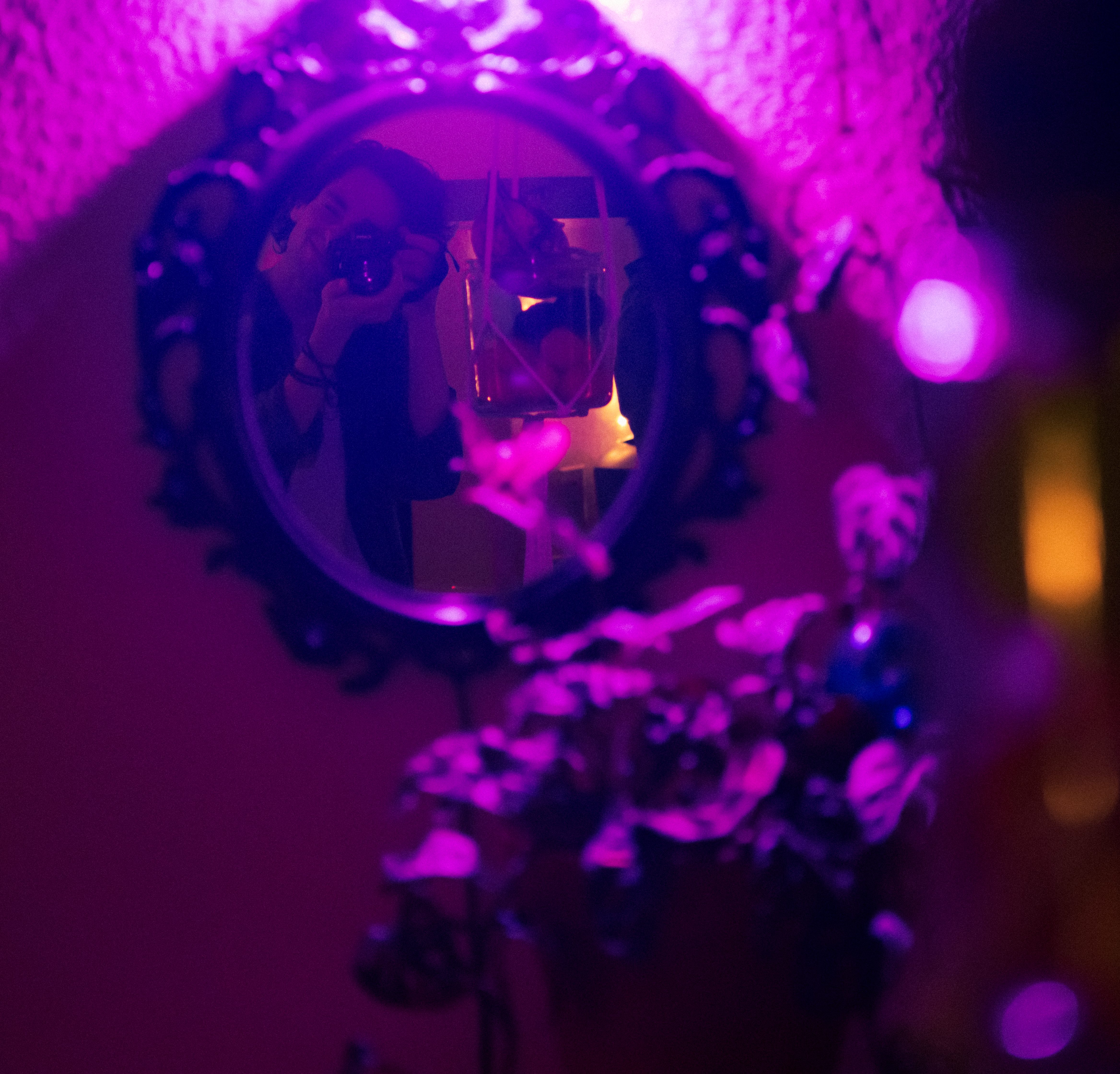




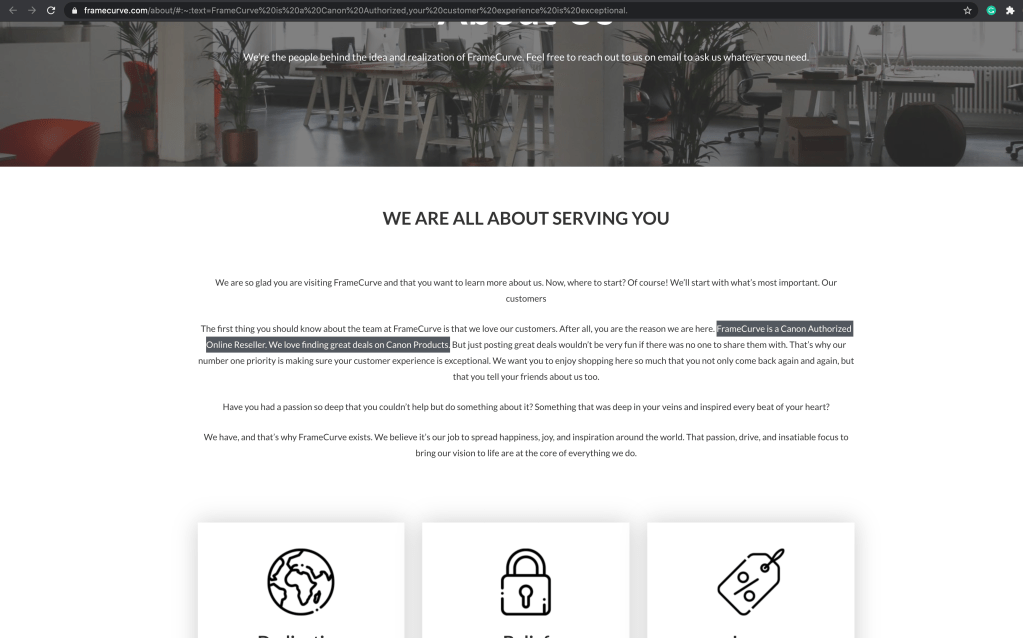

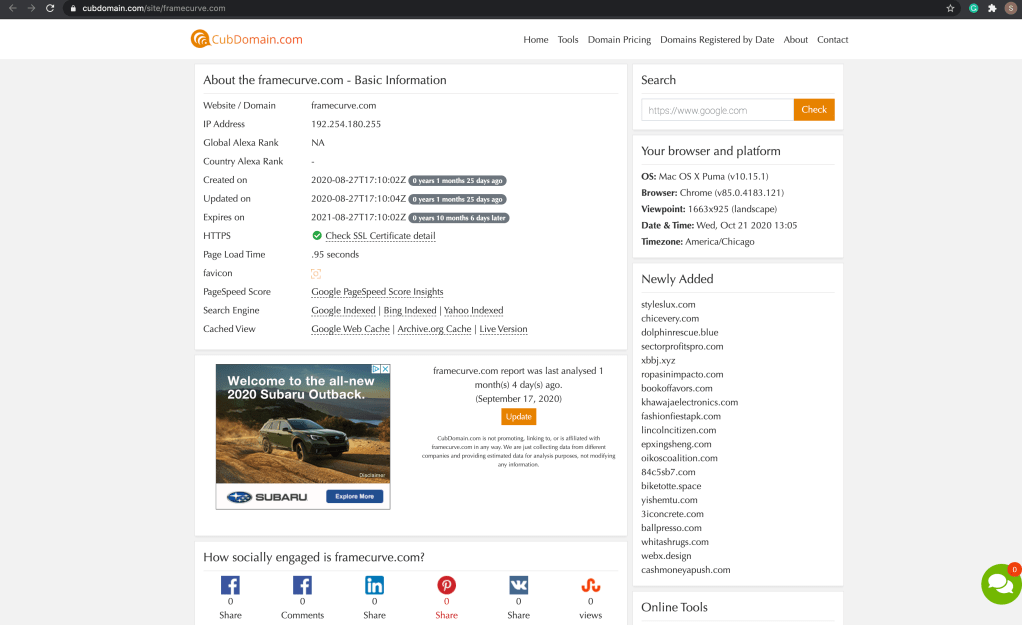




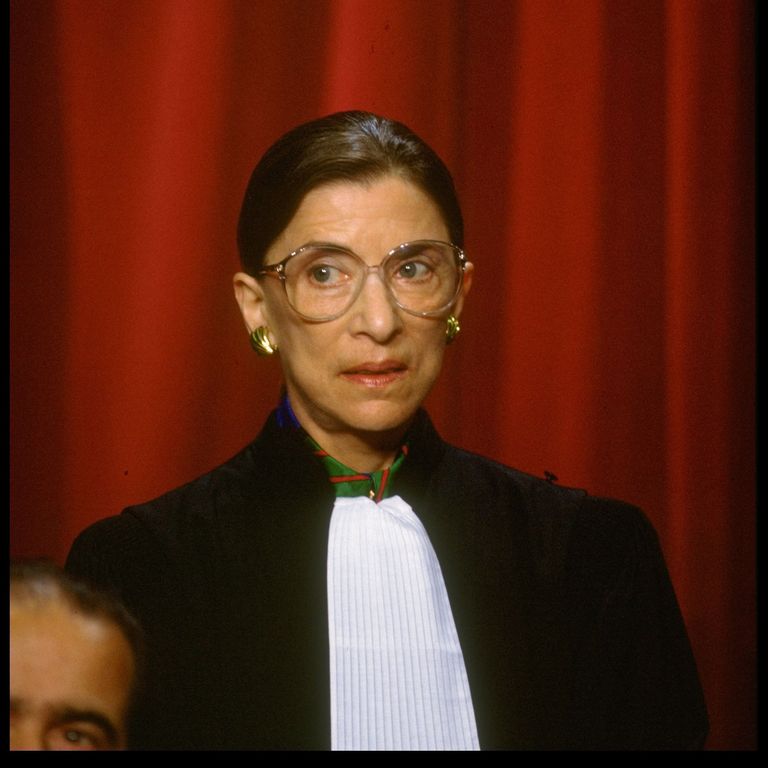




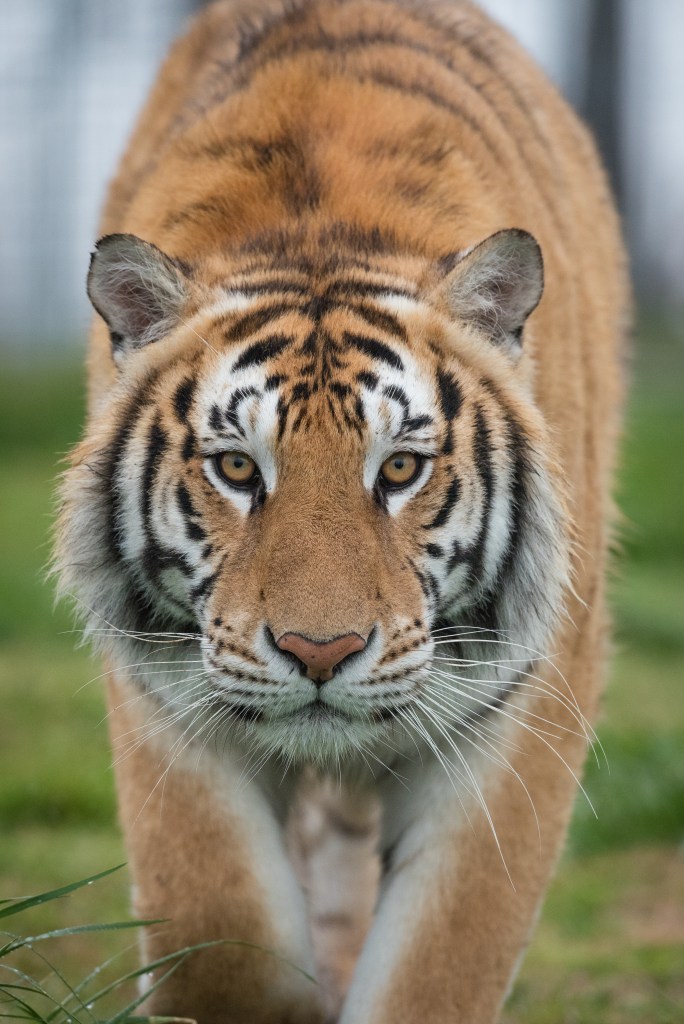
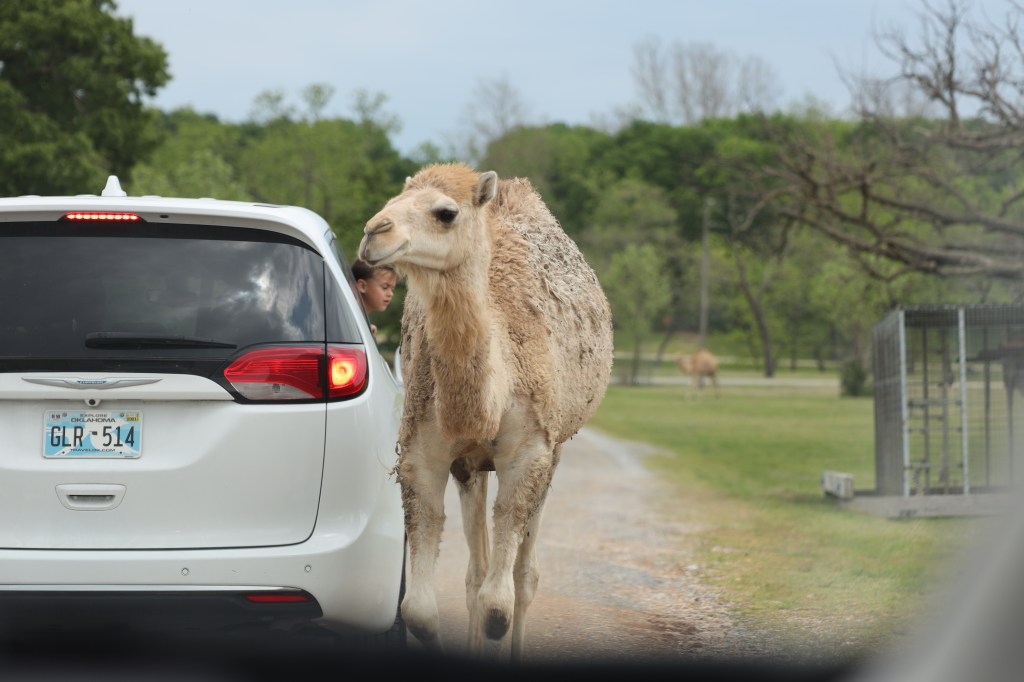
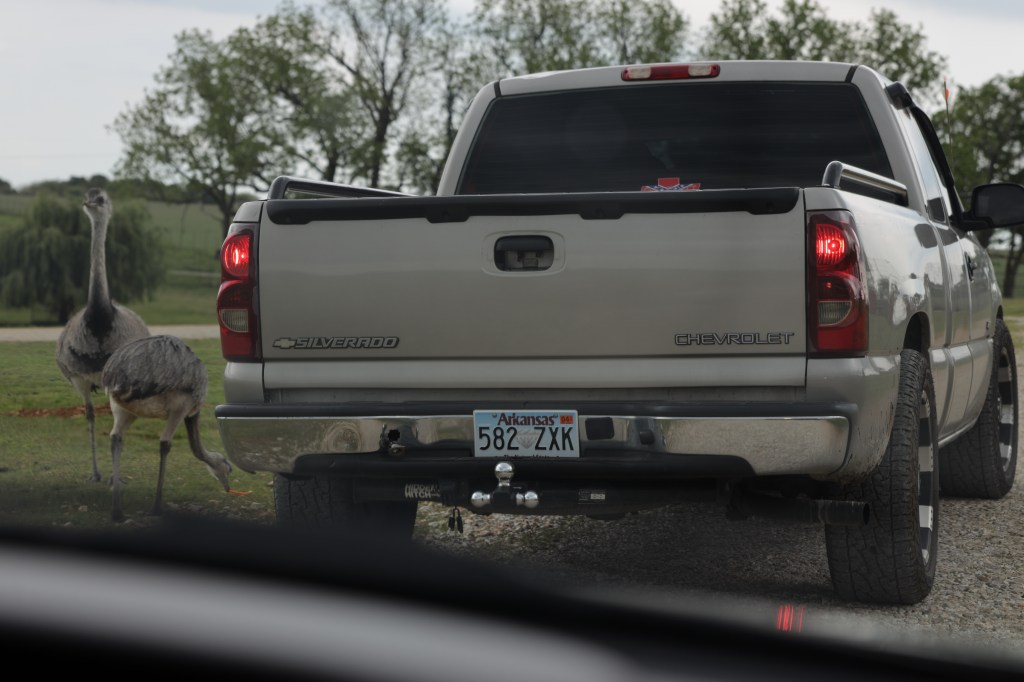
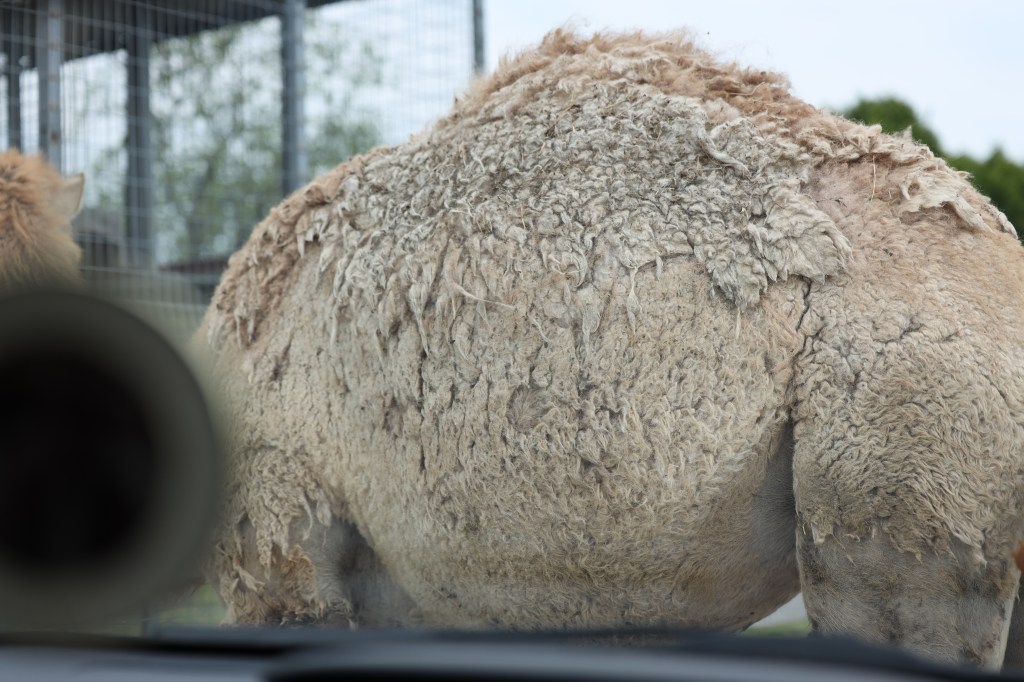

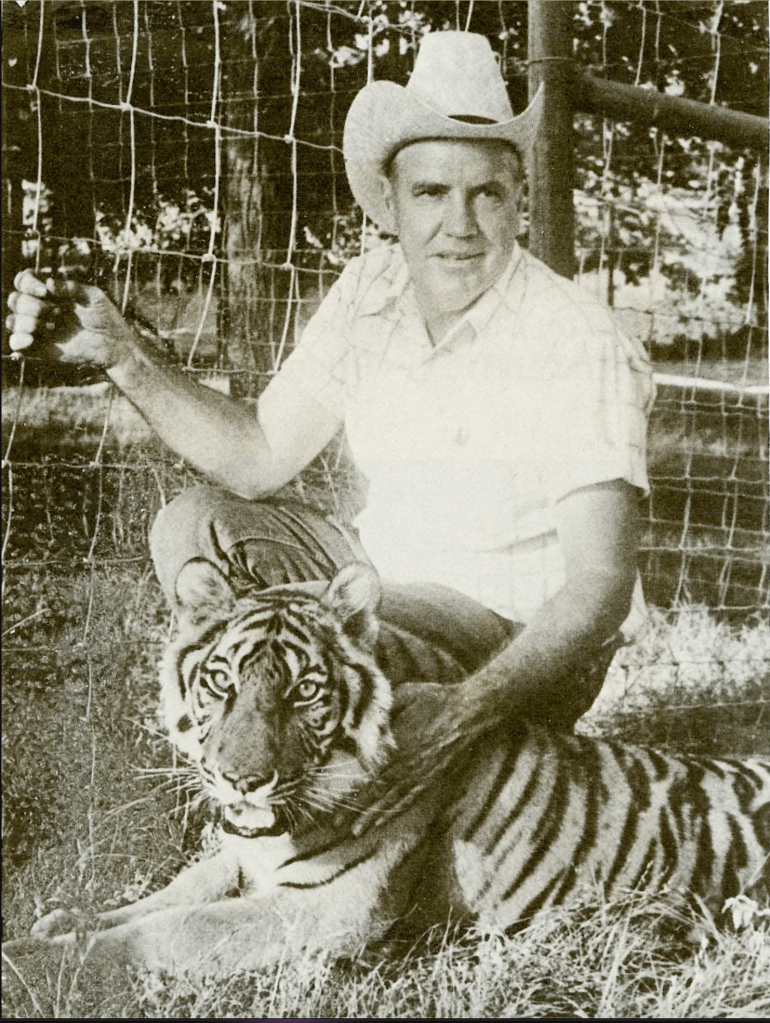
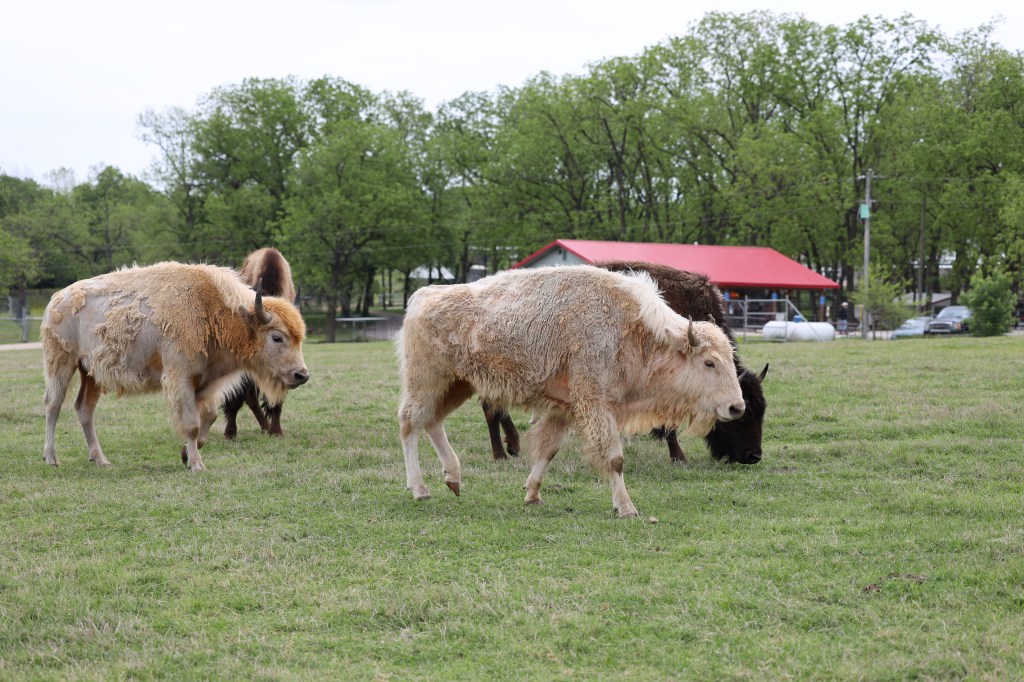
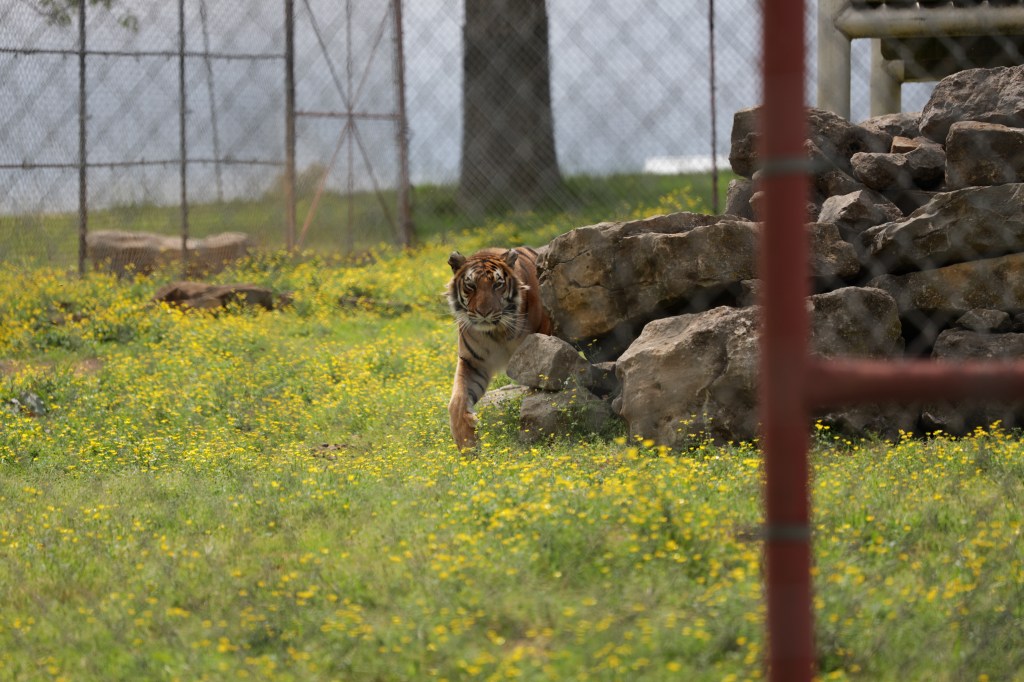
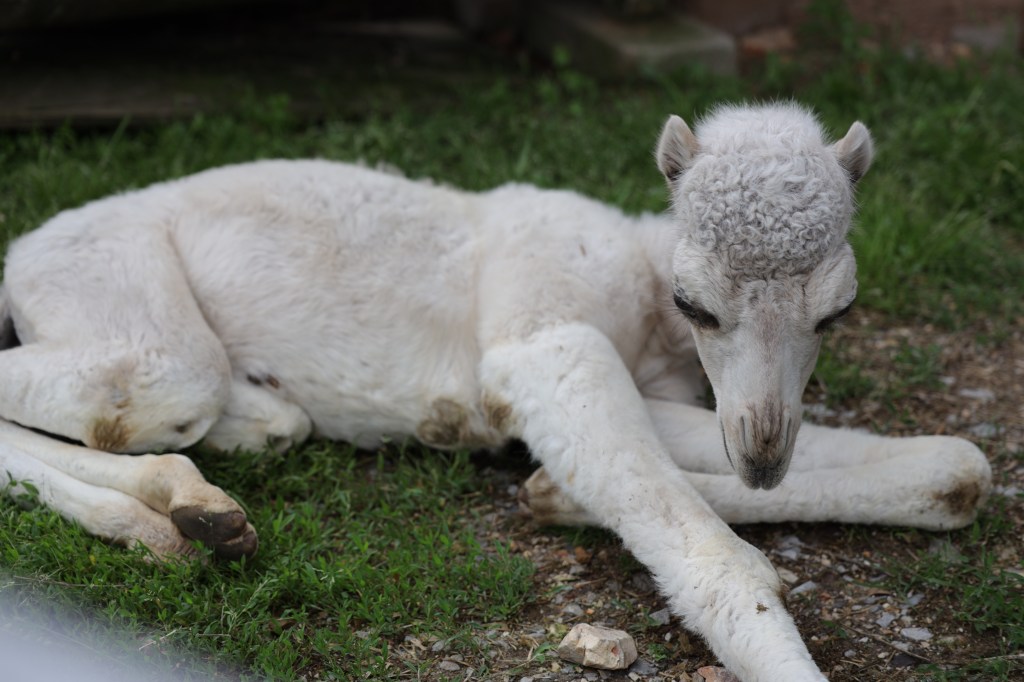
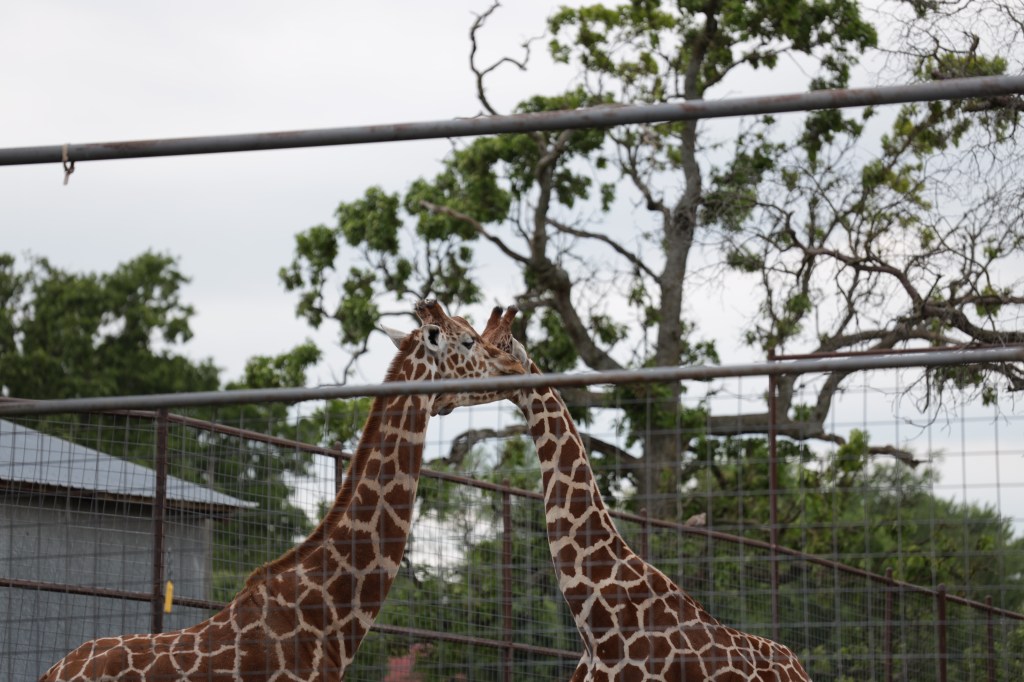
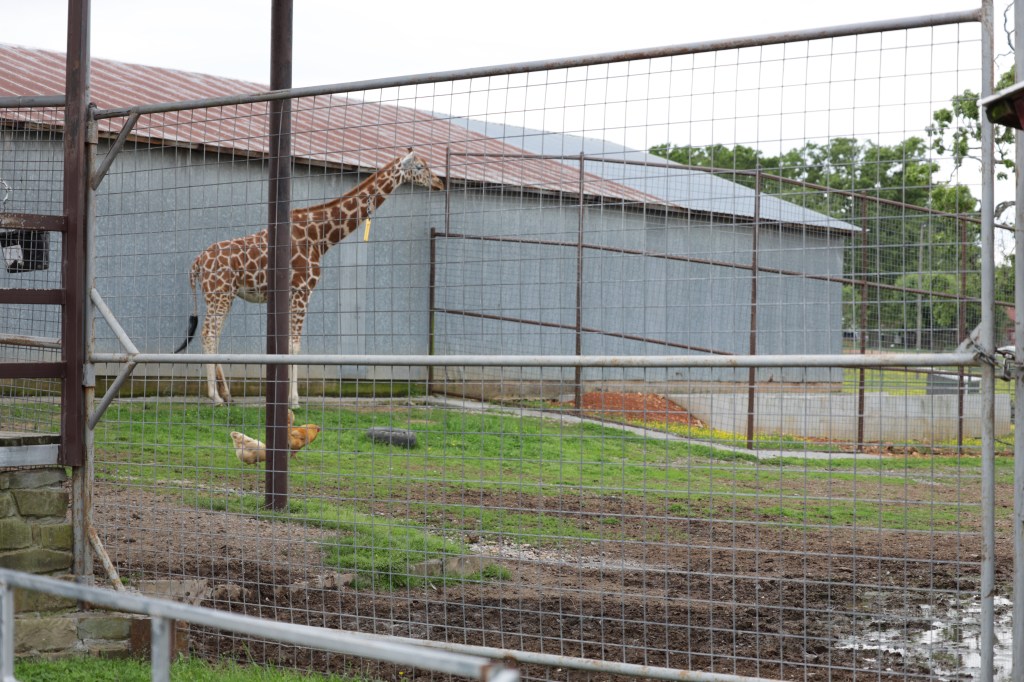
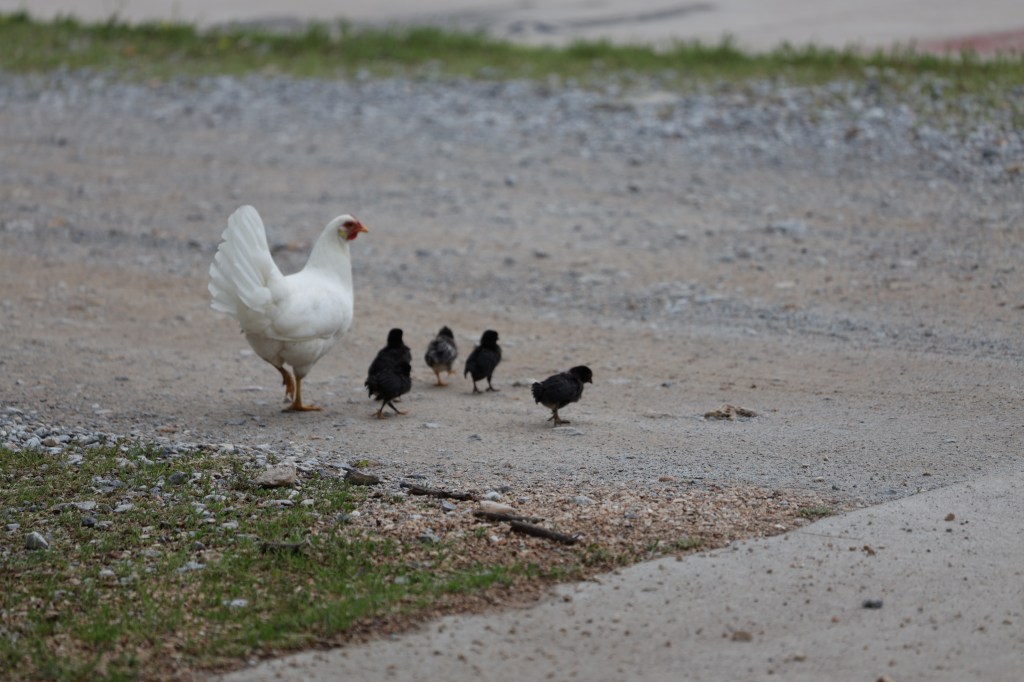
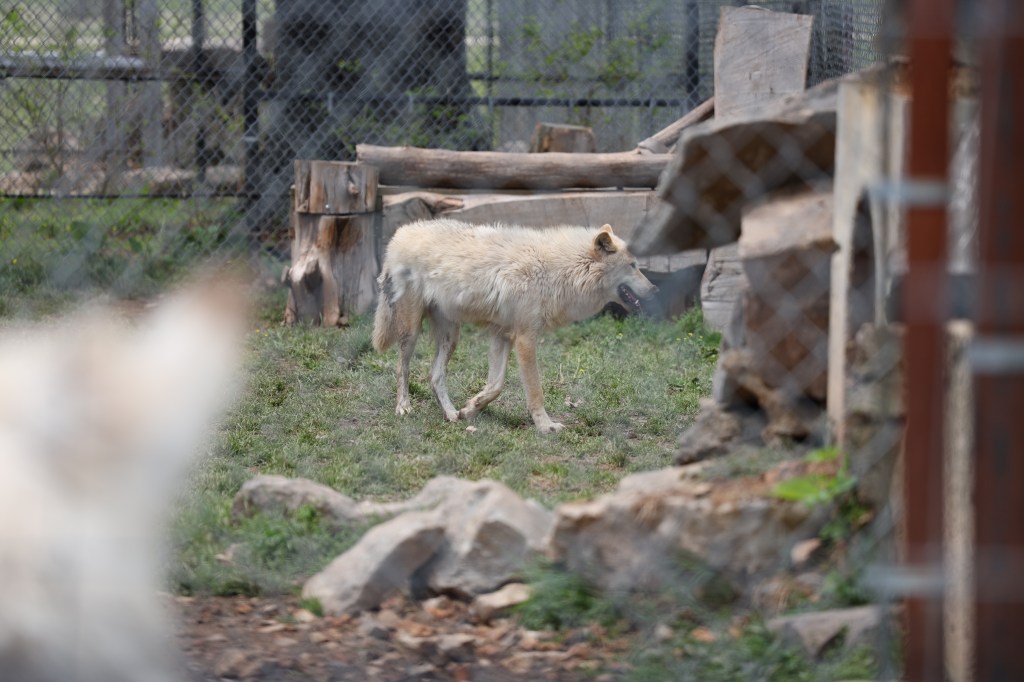
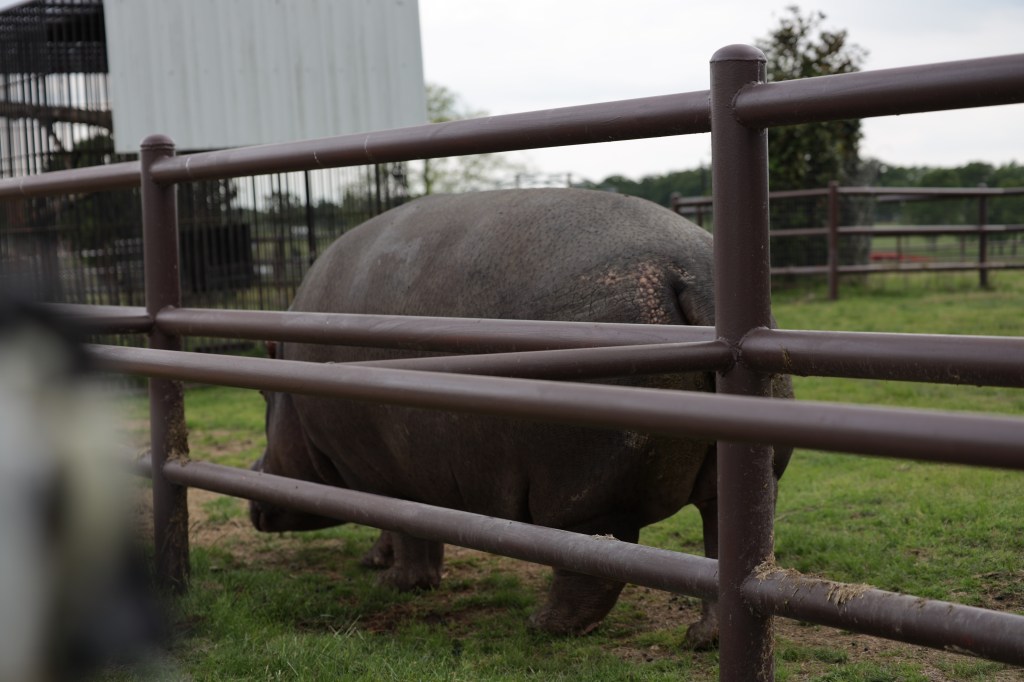
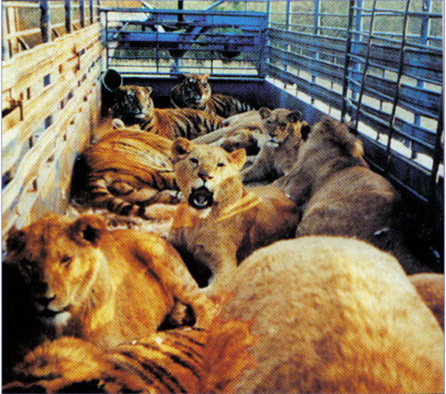
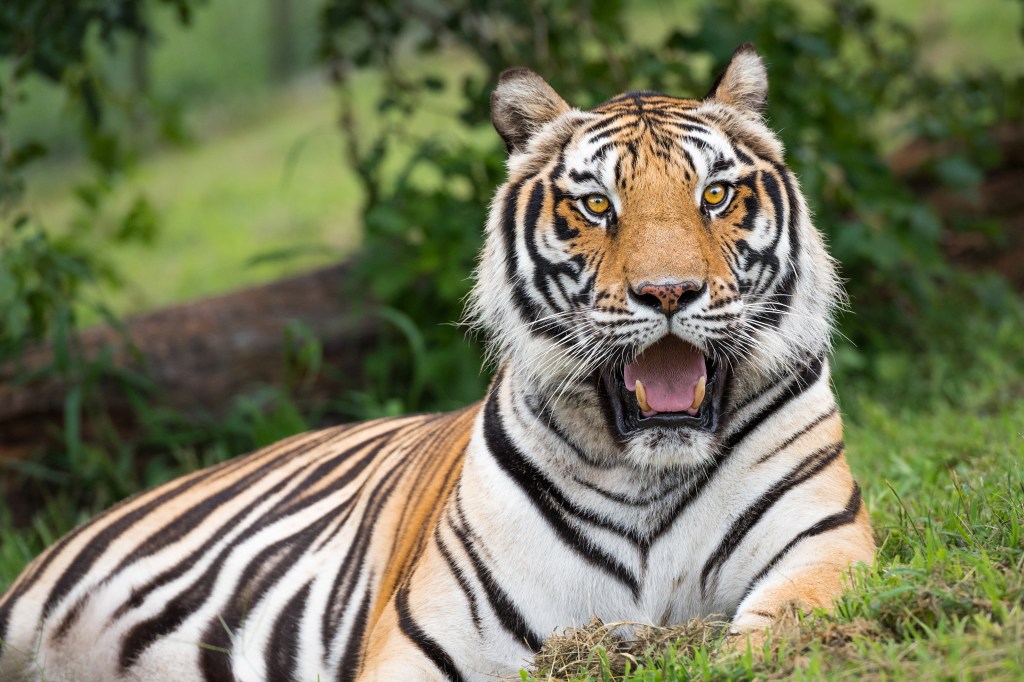
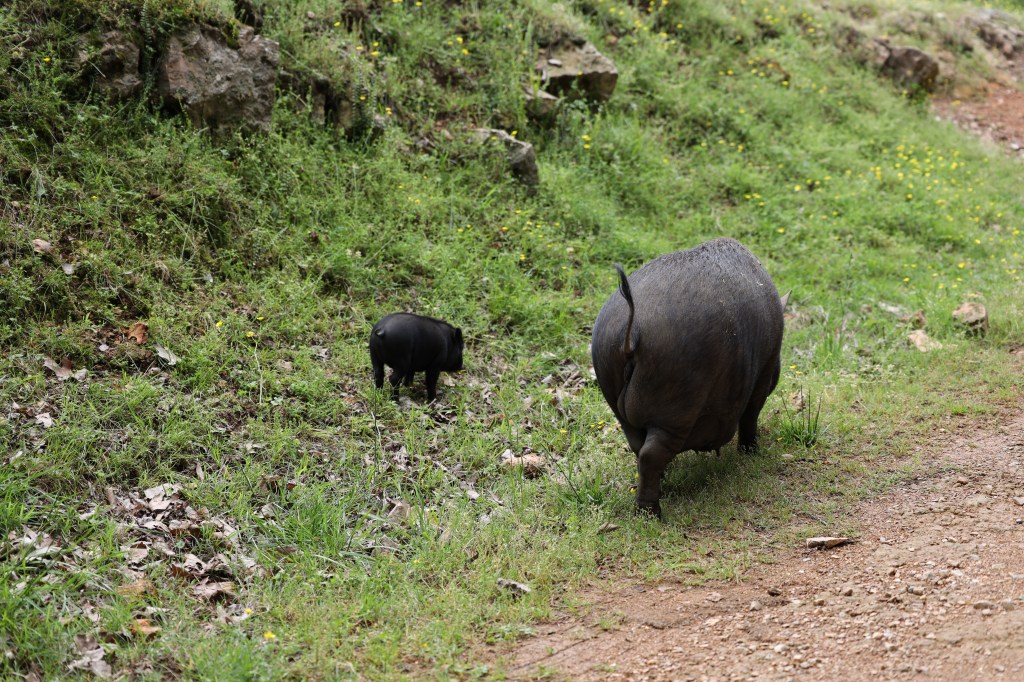
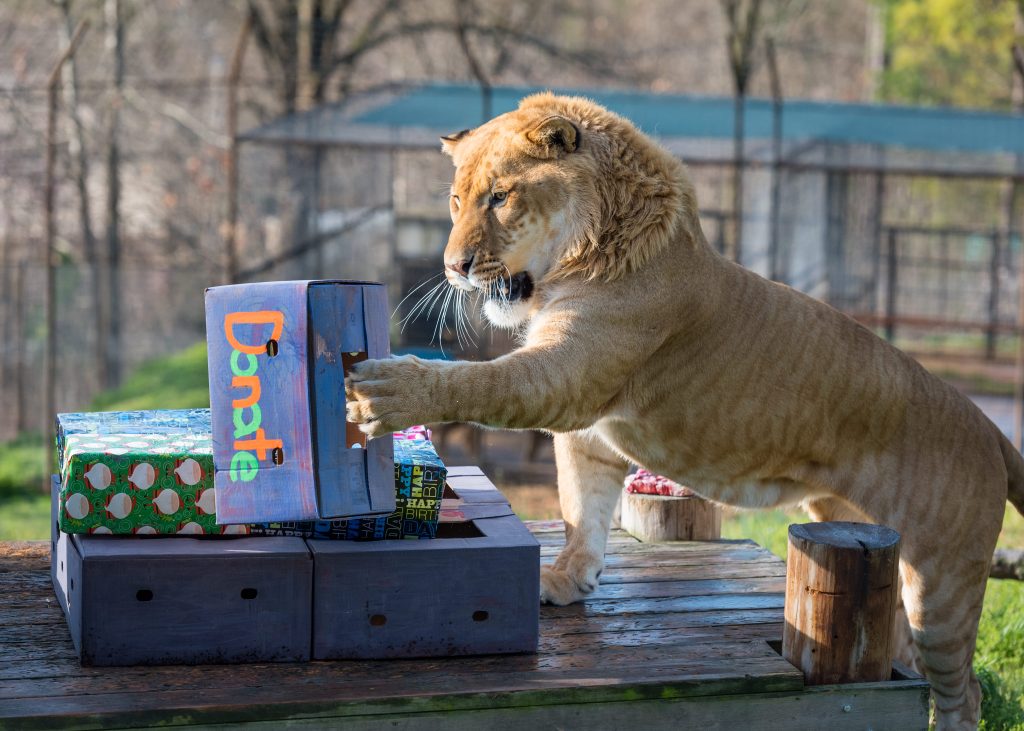
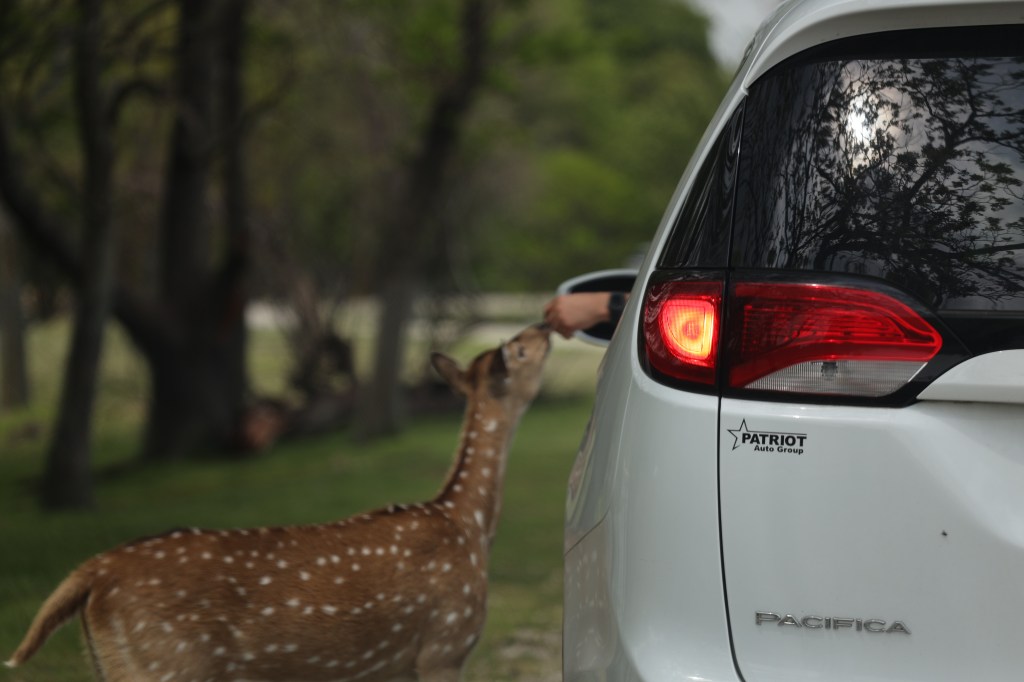
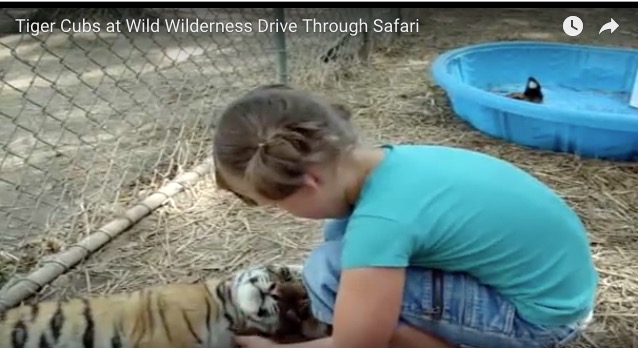
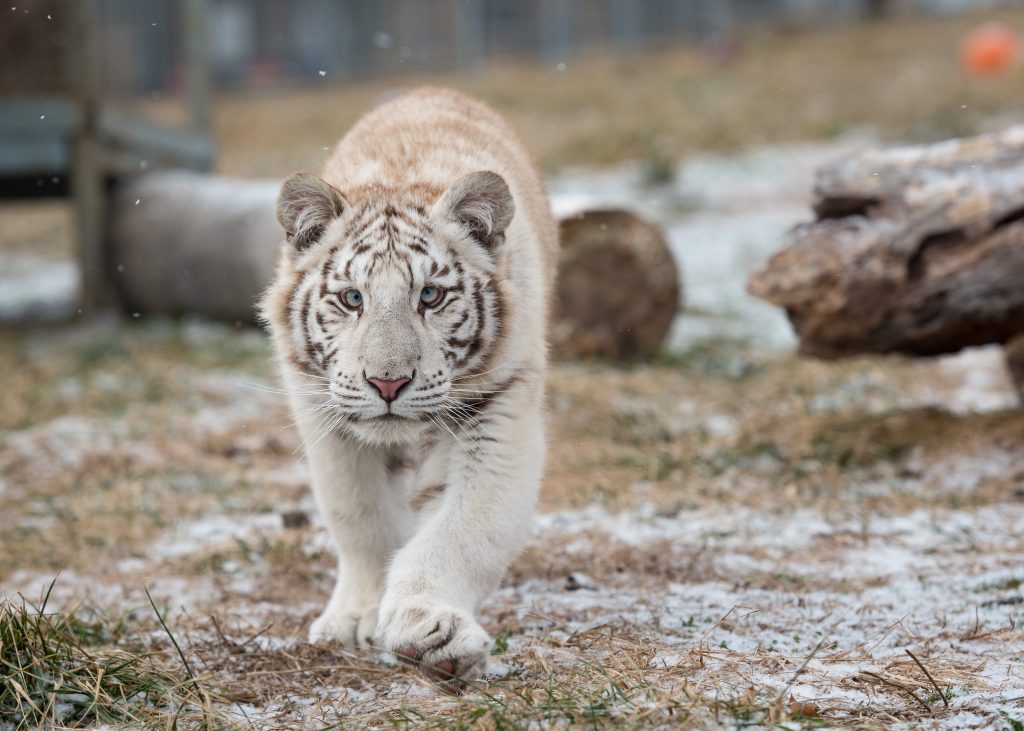
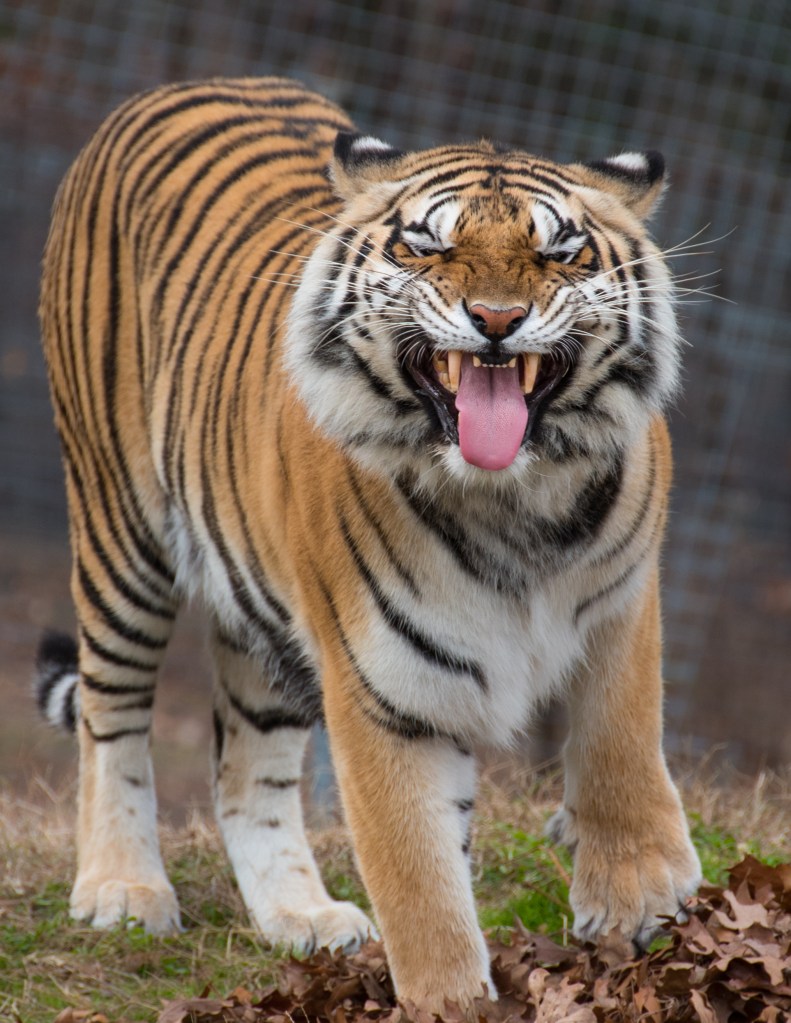
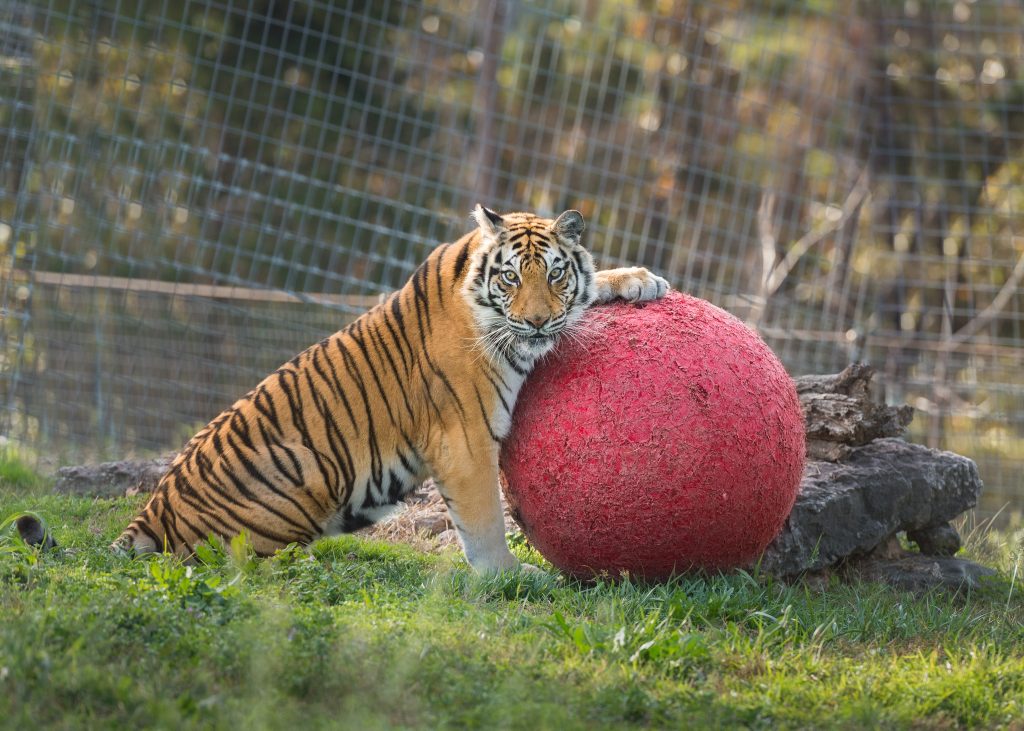

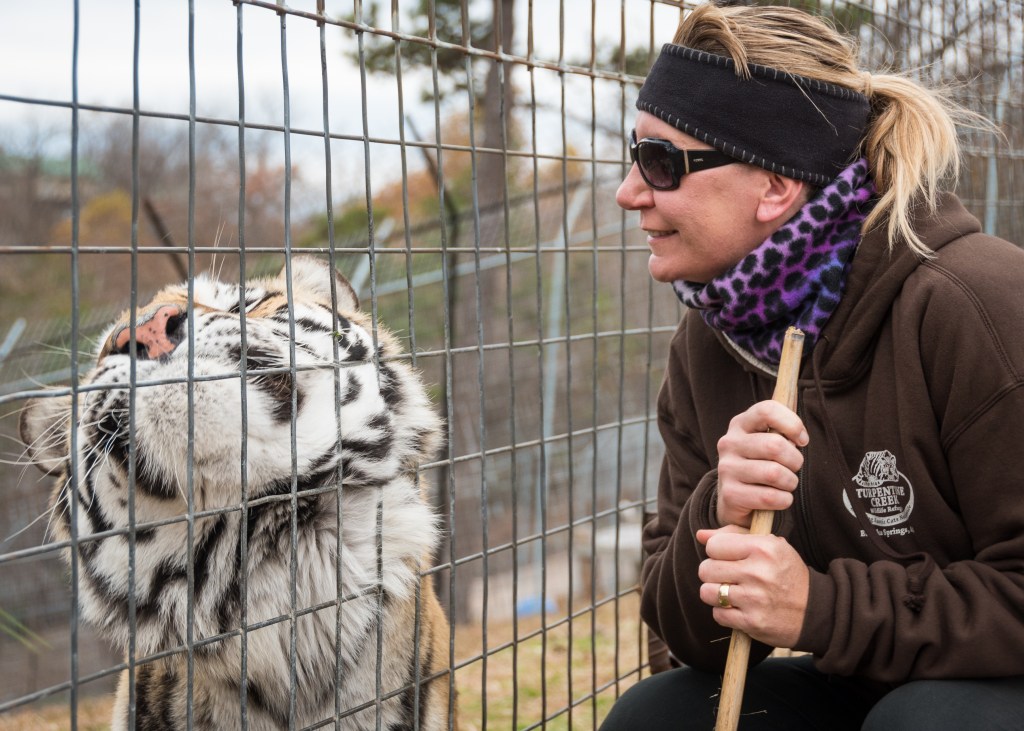
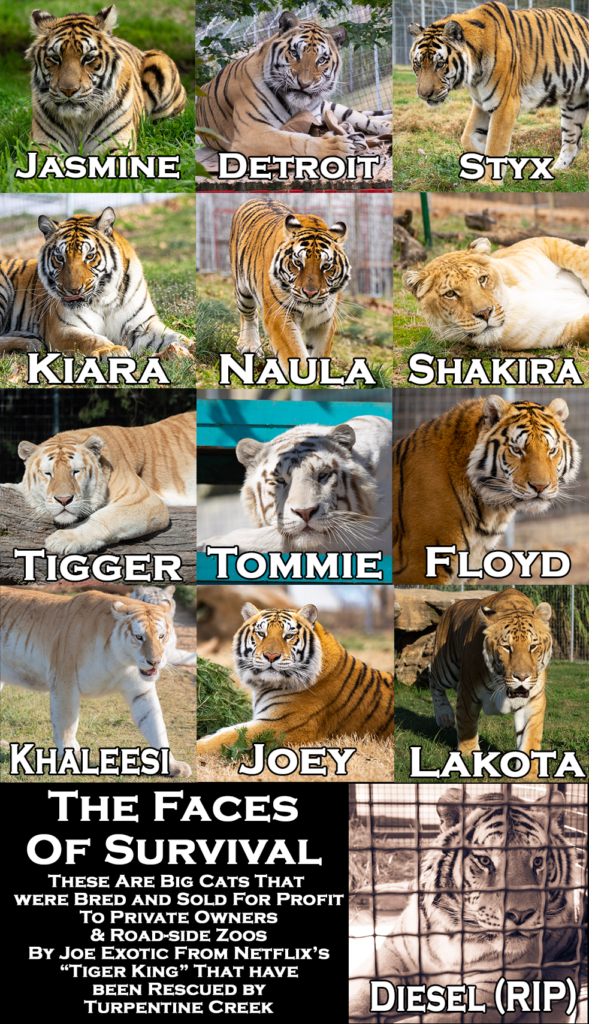
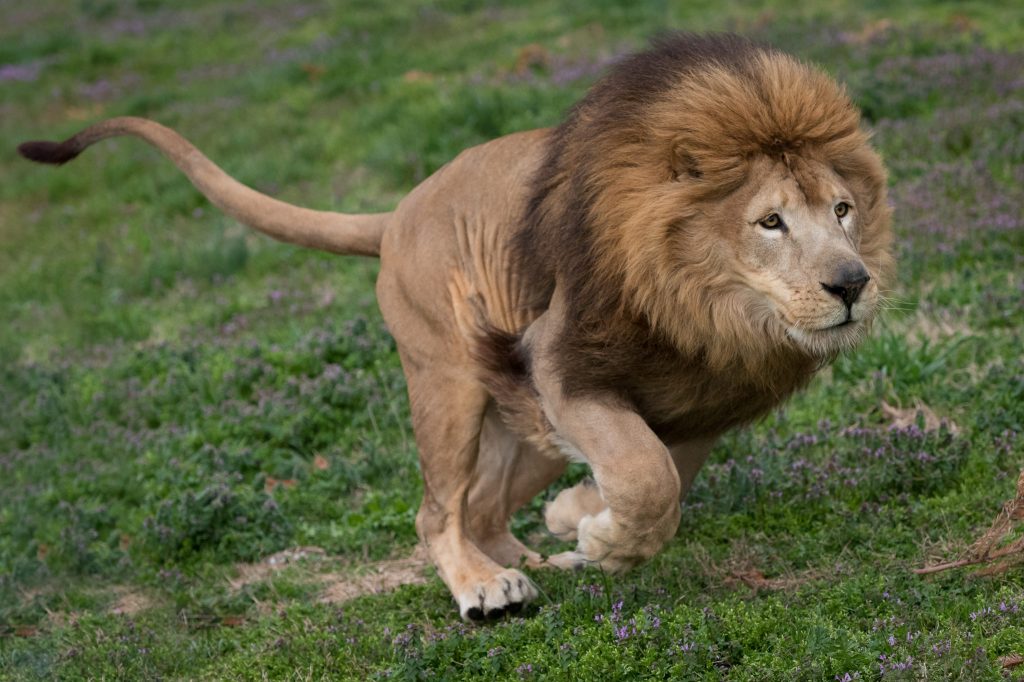
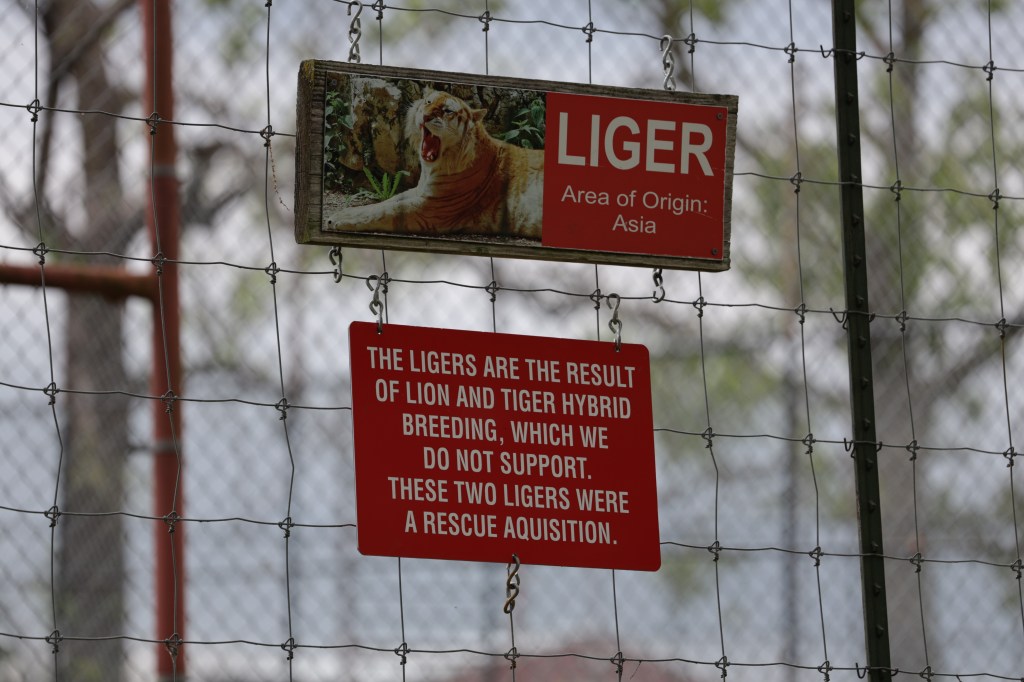
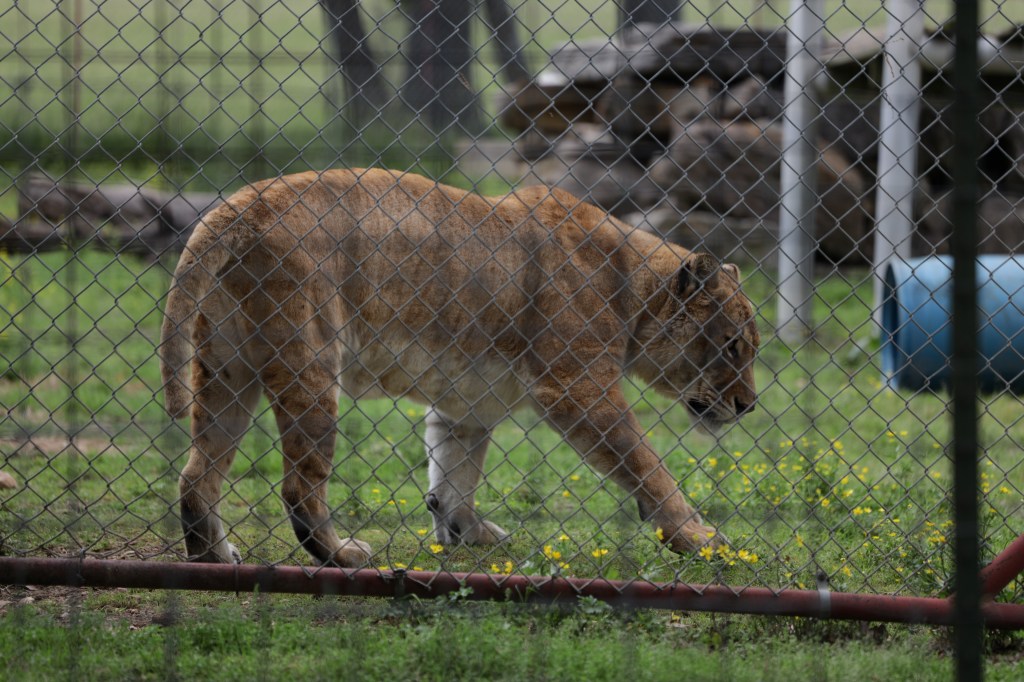
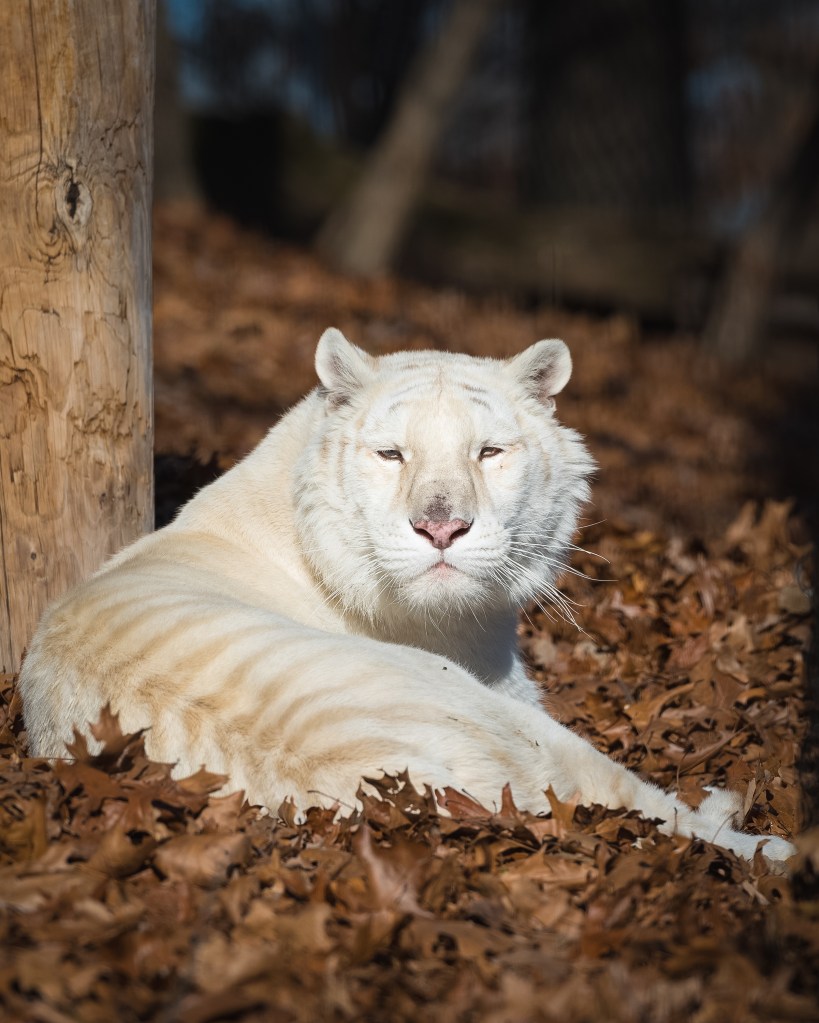
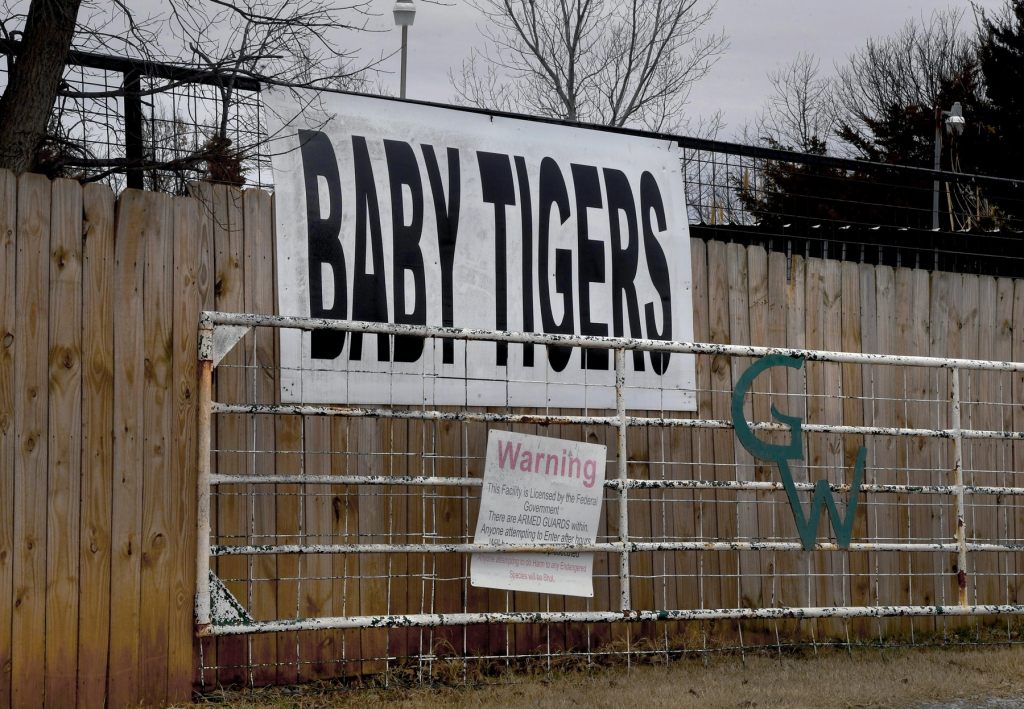
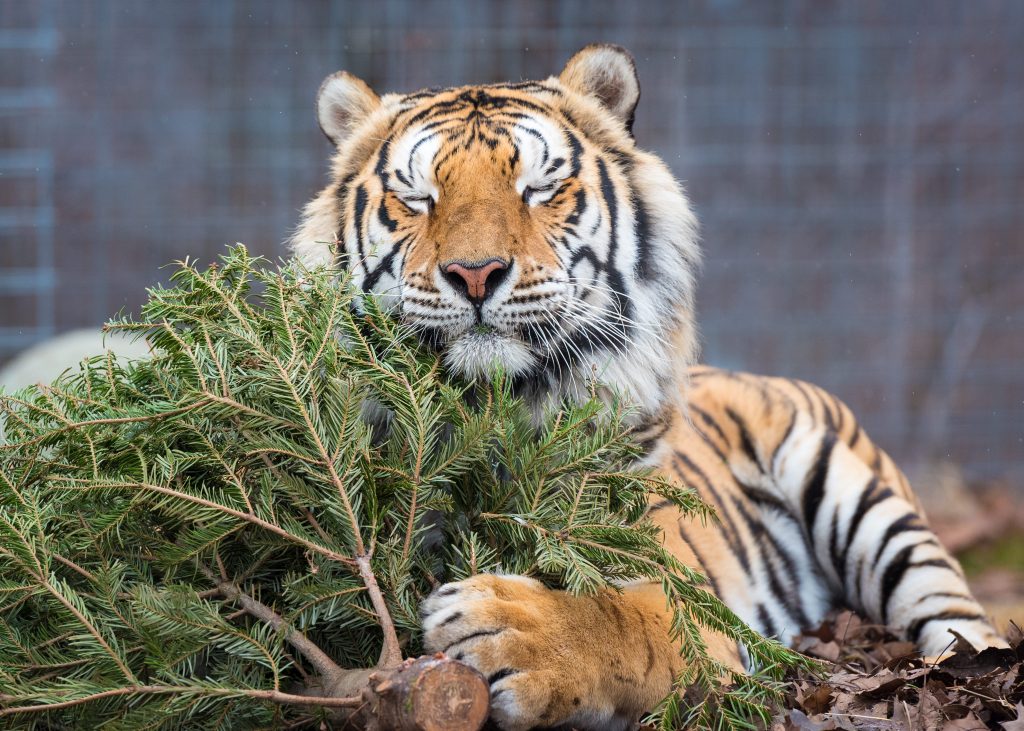
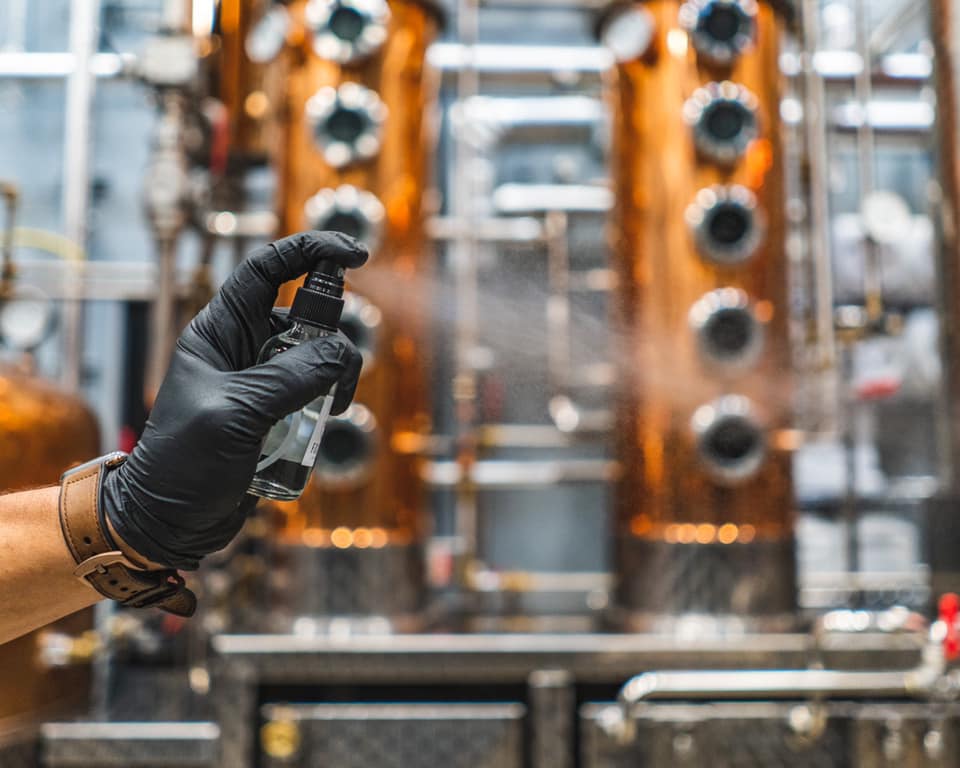
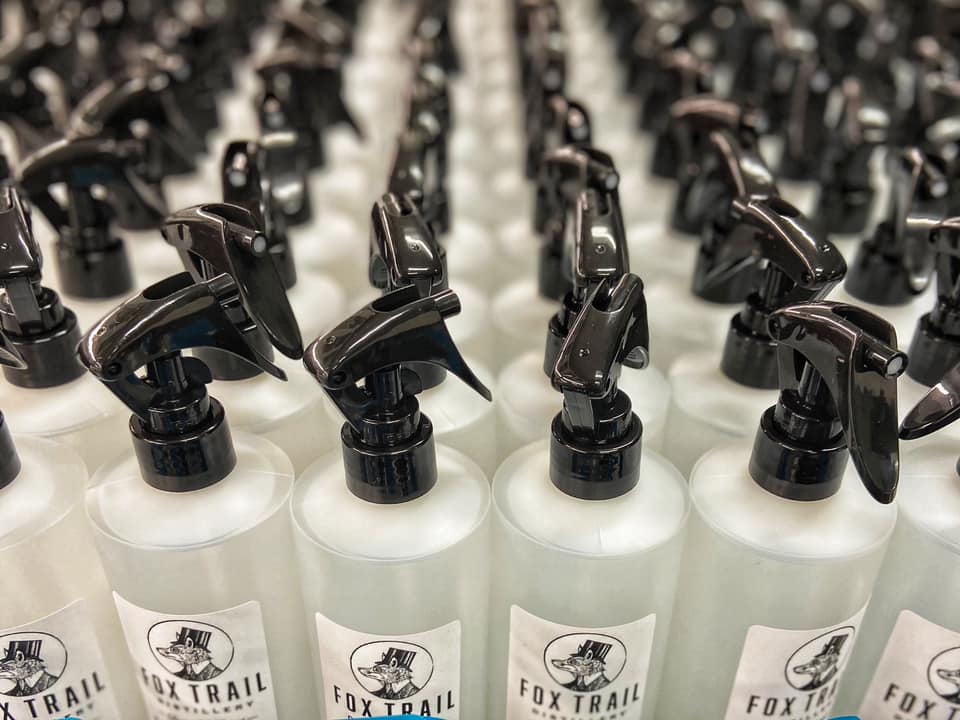
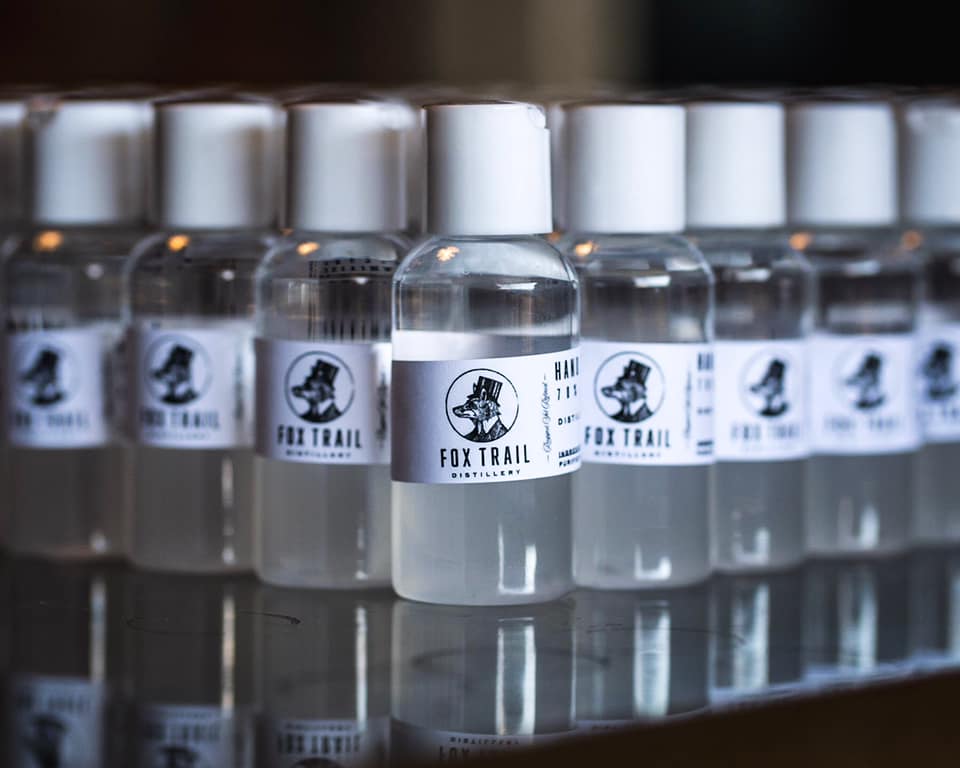
 -Sean Shoemaker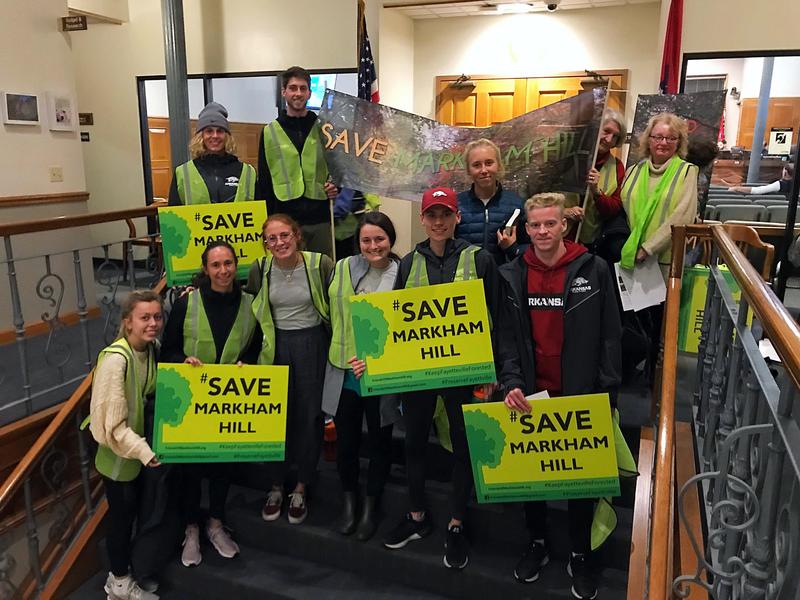

 (Exhibit A provided by the City Council Memo of the SREG application and start of public comment period)
 (Exhibit 2b from Fayetteville City Council memo for SREG application from Feb. 4th, 20)
 Photo by: Sean Shoemaker
 Evangeline’s Cottage, courtesy of Markham Hill Moments of History
 (Page 4 of the Markham Hill Bill of Assurance presentation, with RMD properties listed as the owner, and the proposition for development.)
 (PZD Master plan from the Bill of assurance provided to the City of Fayetteville by SREG)
 (One of the trailheads where the pasture ends and the woods meets, seperating the two zones) Sean Shoemaker
 (Photo from Specialized Real Estate Group’s Markham Hill Phase 1 page)
 (“The Cardinal at West Center”, one of Specialized Real Estate Group’s past projects, courtesy of Specialized Real Estate Group’s “Our Work” page)
 Use Your Imaginasean