Wildlife Refuges and Zoos Within the Backyard of Northwest Arkansas Gained Attention From The 2020 Netflix Series ‘Tiger King’ Highlighting The World of Wildlife in the U.S. A year later, how have things shaped up for two local facilities similar to those seen in the series?
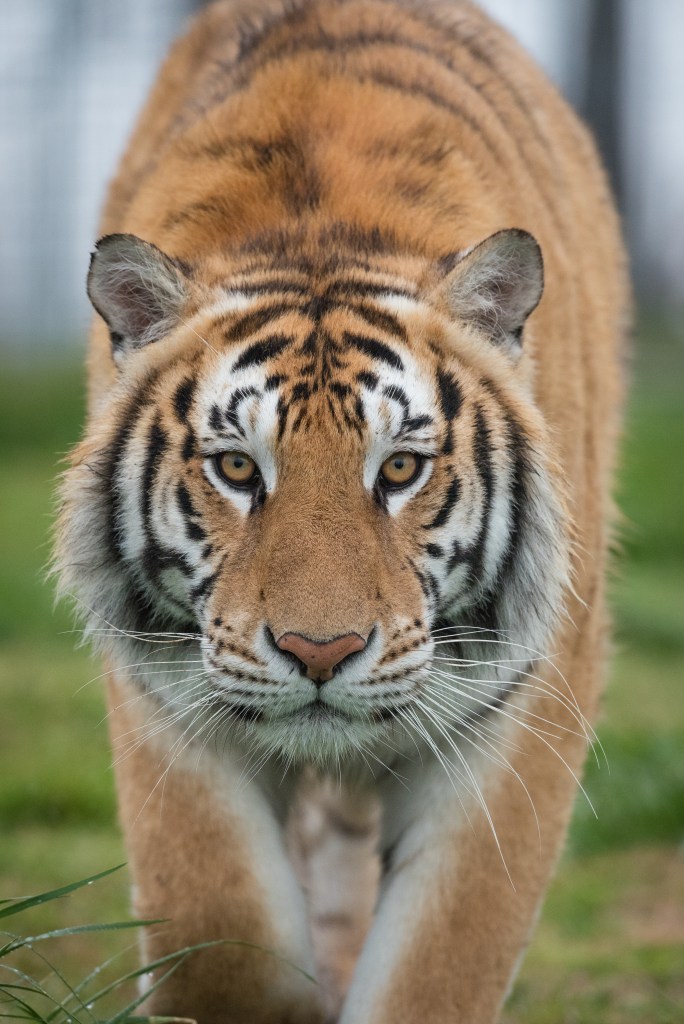
The familiar chime of “You have arrived.” rings off from google maps as we pull up to the entrance of the Wild Wilderness Drive Through Safari. As we pull off the paved road into a gravel one, we are greeted by someone at a small stone building. It’s cloudy, and muggy outside. It feels like I can chew on the air due to the humidity as I roll down my window. We scan our tickets and pull further into the park. Before we pull forward though, the attendant at the stone house reminds us, “No feeding, petting, or touching the animals, and please, keep your windows rolled up.”
What proceeded to unfold in front of my eyes was nothing less than the polar opposite. As we navigated through the park, car after car full of excited guests rolled down their windows to throw chunks of food, and let their children pet the animals. My gaze wasn’t fixated on the participation of following rules at the Wild Wilderness Drive Through Safari, but it confirmed my suspicions as to why I was there.
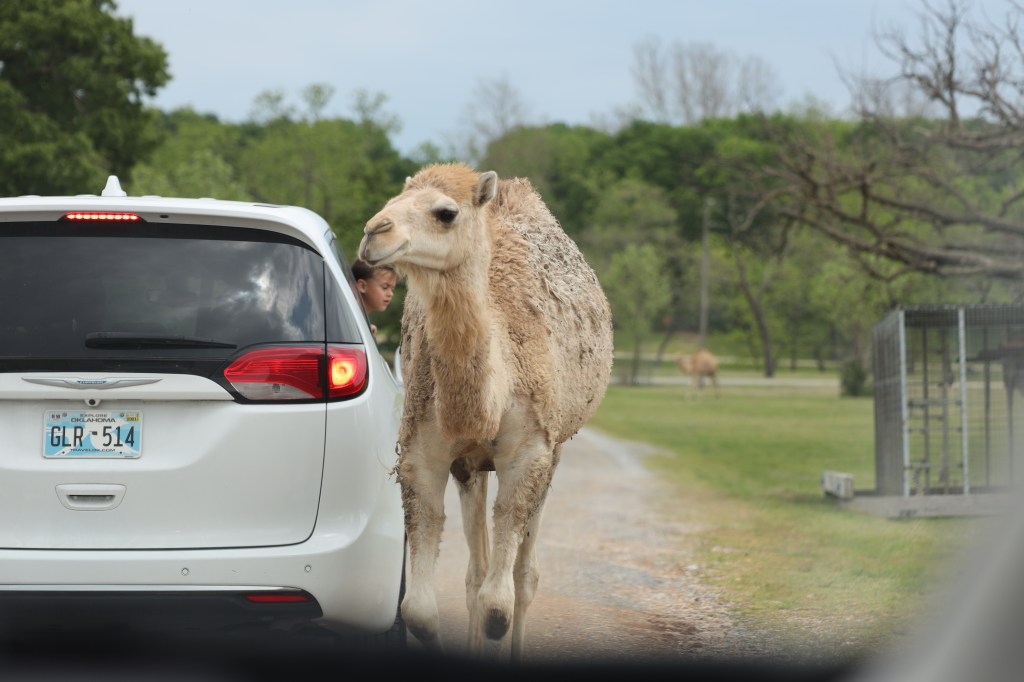
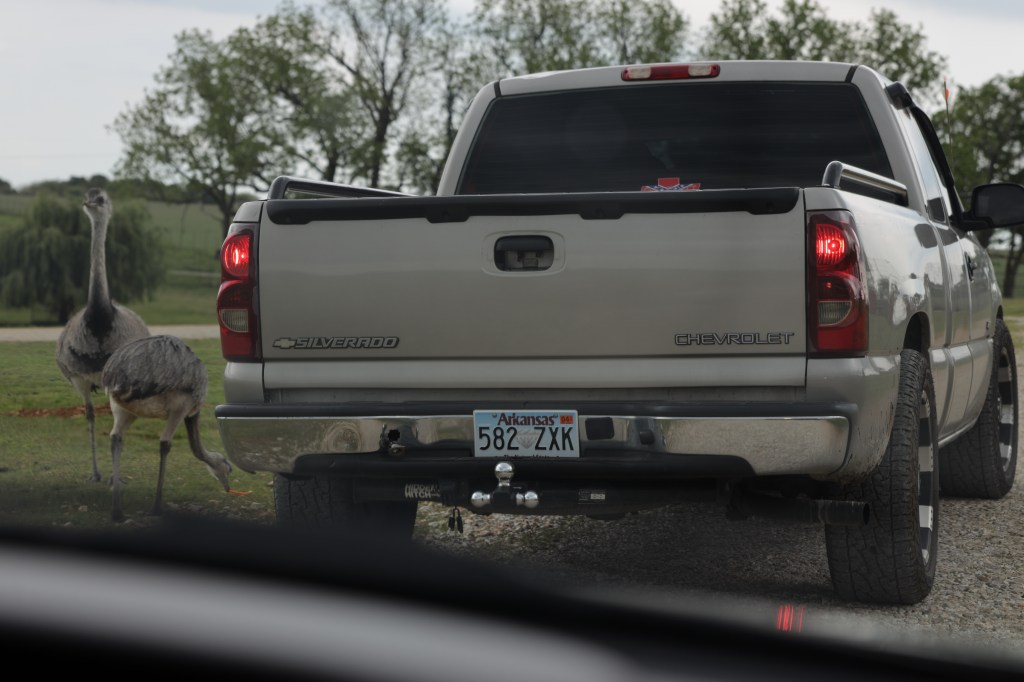
Last year the Netflix documentary series ‘Tiger King’ brought attention to the underbelly of the wildlife and exotic animal breeding trade in the United States. While breeding of Tiger Cubs and polarizing characters were the predominant focus of the series, it also raised discussion on issues concerning enclosures, nutrition, and the allowance of petting exotic animals. Since then, awareness for the conditions of the animals within establishments that consider themselves sanctuaries, and those who operate roadside zoos has grown. Within Northwest Arkansas’ own backyard there are places just like those depicted in the series, but what’s more is that there are also characters of similarly eclectic backgrounds like those seen in the show too.
Love For Animals At The Root Of Roadside Zoos
To say that those who manage and operate places like Wild Wilderness are eccentric is an understatement, but that doesn’t mean that some stories can also seem like a generic nuclear family story too. Oftentimes people who end up with roadside zoos start with only a few animals and grow a collection until their enjoyment for collecting wildlife results in the farm becoming a roadside zoo.

With Wild Wilderness, that was also the case.
At the center of the Wild Wilderness story is a man who came from Gentry, Ross Wilmoth. Wilmoth was the founder of the Wild Wilderness Drive Through Safari in Gentry, along with his wife, Freda Wilmoth. Wilmoth was a World War II veteran who served at the battle of Iwo Jima, one of the most gruesome battles of WWII. Following the war the couple decided to stay in Gentry, and made plans to begin their own farm.
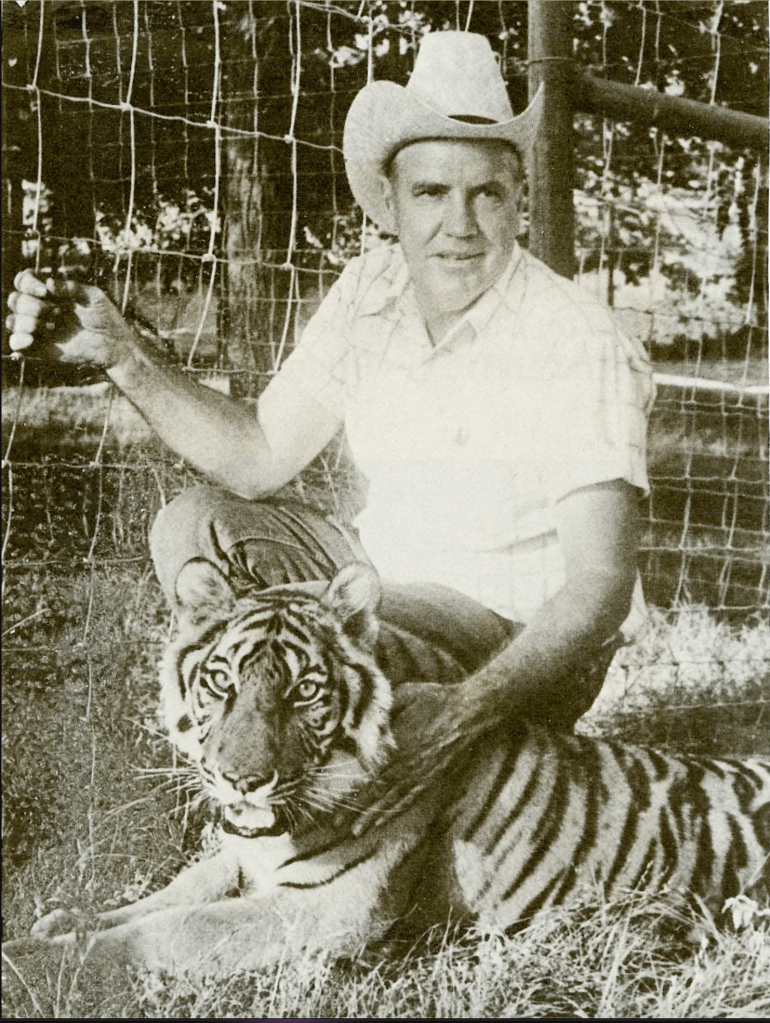
In addition to their farm, they began to raise a family. It started out harmless enough, Freda bought Ross Wilmoth three buffalo in 1960. Ross began to practice cross-breeding the buffalo with brahmas, angus, and other domesticated cattle. Throughout the 60’s, their passion for collecting animals and raising them grew. They began to receive animals who were injured, nursing them back to health as they also began to collect herds of elk, and deer. The collection only continued to grow from there though. They began to collect monkeys, and eventually there was word-of-mouth advertising that led to visitors asking if they could see their animal collection, which eventually spawned the idea of owning a roadside zoo.
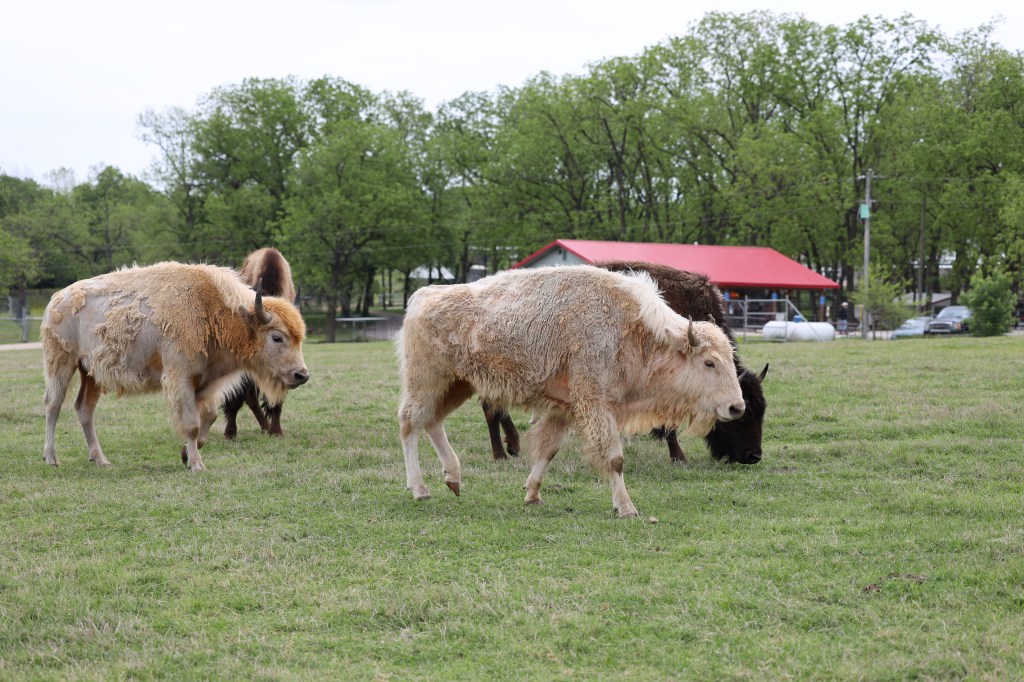
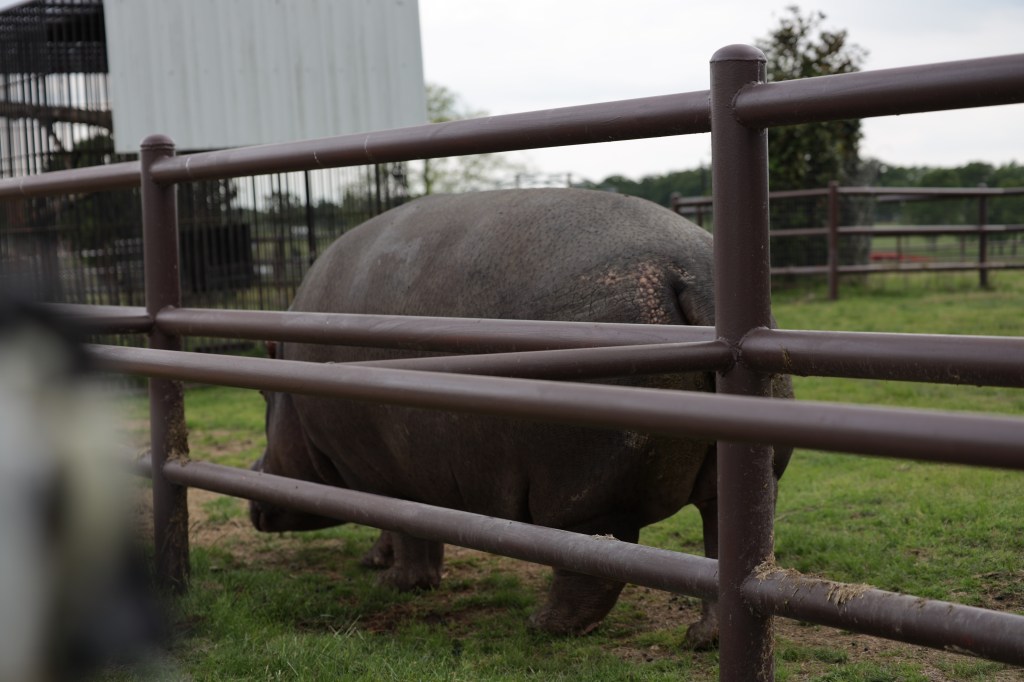
That idea of running a zoo eventually manifested into a reality, and in 1976 the Wilmoth family began ticket sales at the farm. Now, the Wilmoth family farm is better known as the Wild Wilderness Drive-through Safari. It’s home to more than 1,200 animals, with more than 100 different species from around the globe. They boast their ownership of Tigers, Lions, Bears, a Rhino and Hippopotamus, Giraffes, and a herd of Zebra. The owners of the Wild Wilderness Safari claim that they have species of animals that are extinct or are nearly extinct and can be seen nowhere else in the world except for in captivity. One of the children of Freda and Ross Wilmoth, Leon Wilmoth, helps operate the drive through safari and still lives on the property today. Ross Wilmoth, the founder of the Gentry Drive Through Safari died 2005, and Freda, along with the children and grandchildren of the Wilmoth family, assumed responsibility of the park’s operations and began to expand the park in 2005.
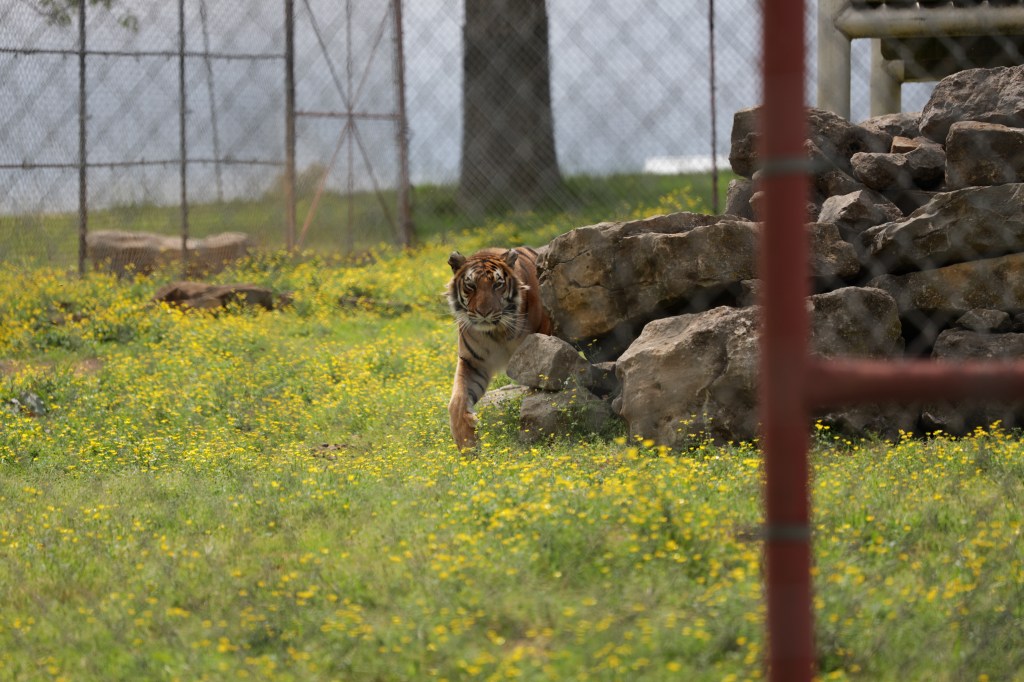
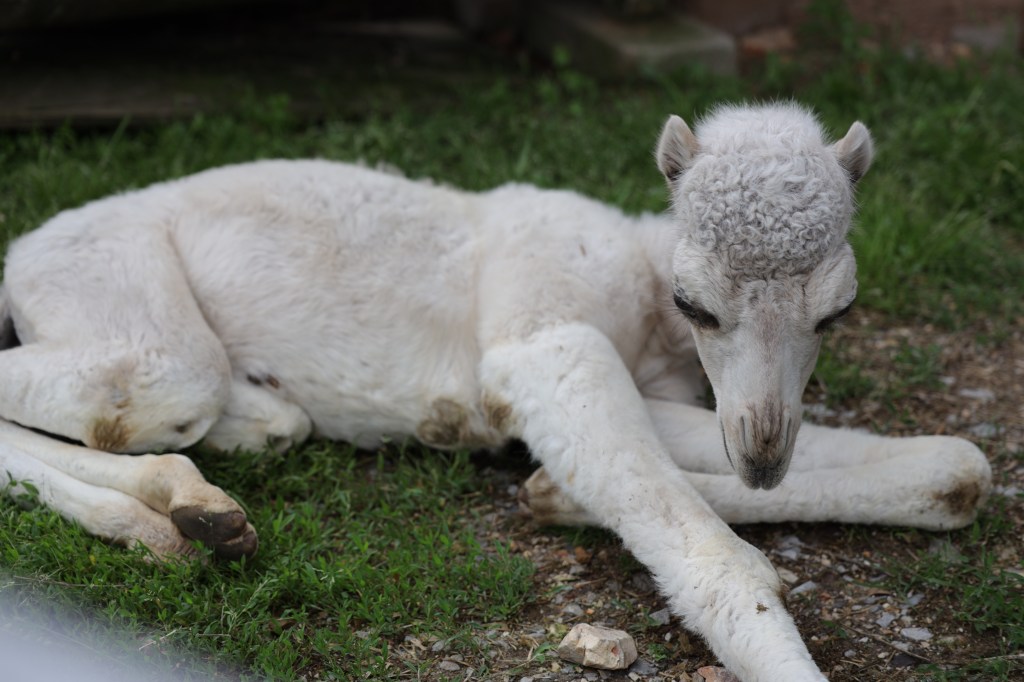
In addition to the Drive-through aspect of the Wild Wilderness Drive Through Safari, there is also a 10-acre walkable petting zoo which features an assortment of animals ranging from kangaroos, chickens, giraffes, monkeys, and in the past, bear and tiger cubs. Upon visiting the Wild Wilderness Safari, they have updated their rules for the petting zoo to not allow visitors to touch any of the animals, which in terms of animal rights advocacy groups, is a step in the right direction to operating a more ethical establishment.
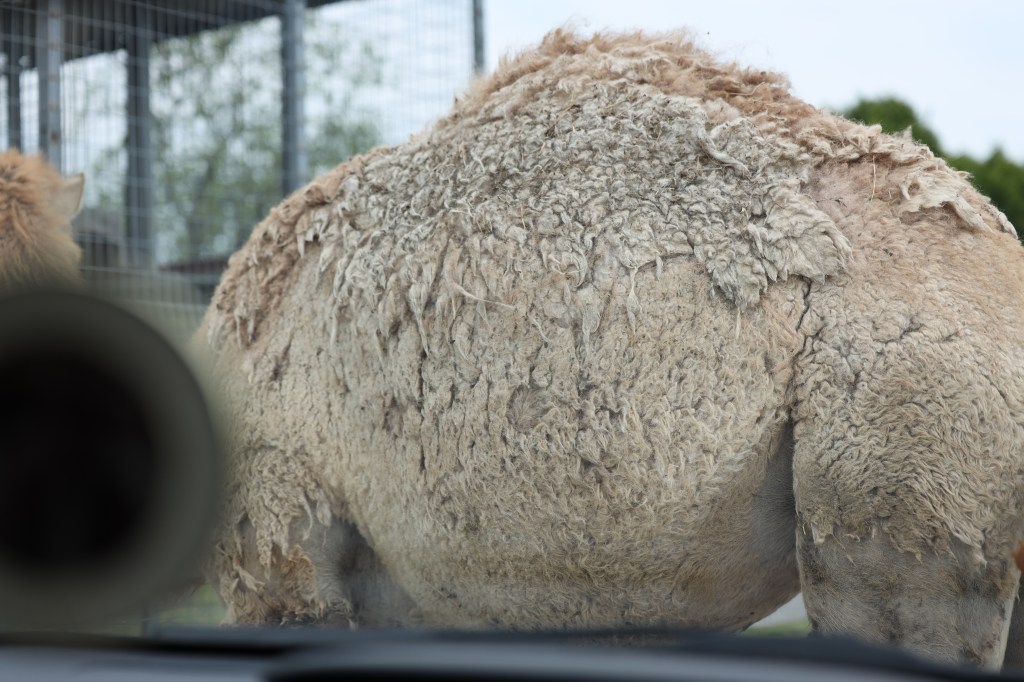
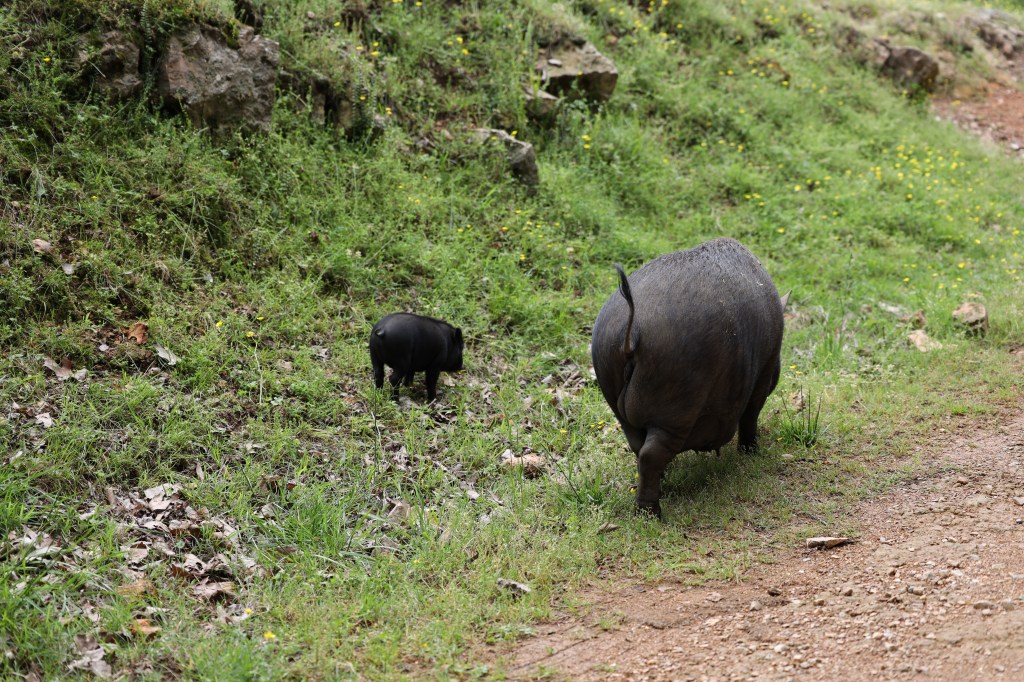
Below are some images taken at Wild Wilderness Drive Through Zoo in the petting zoo section.
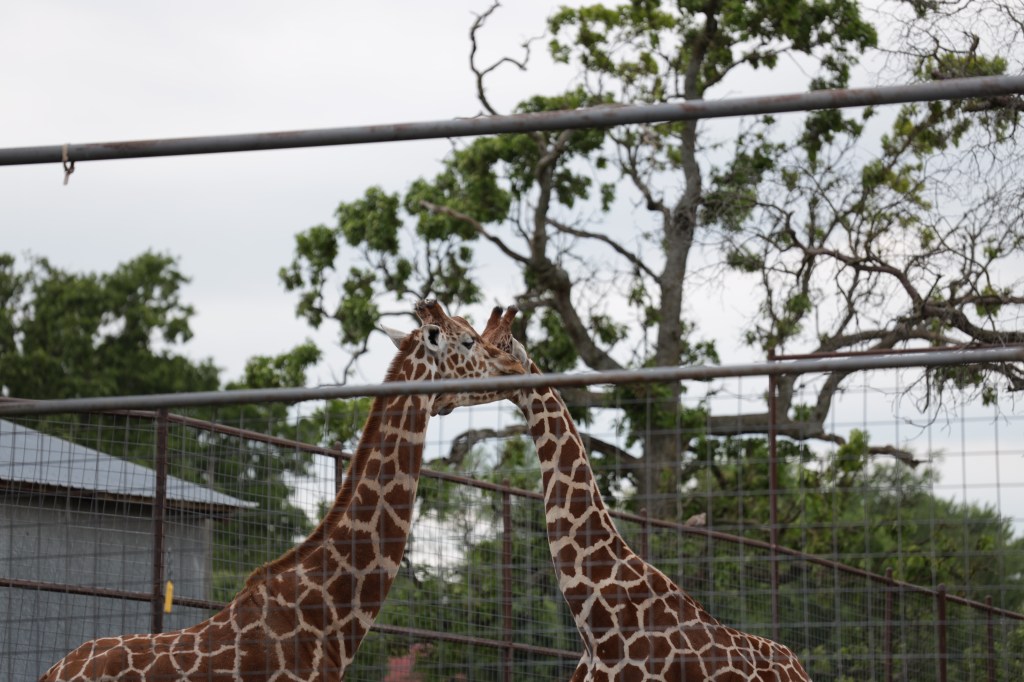
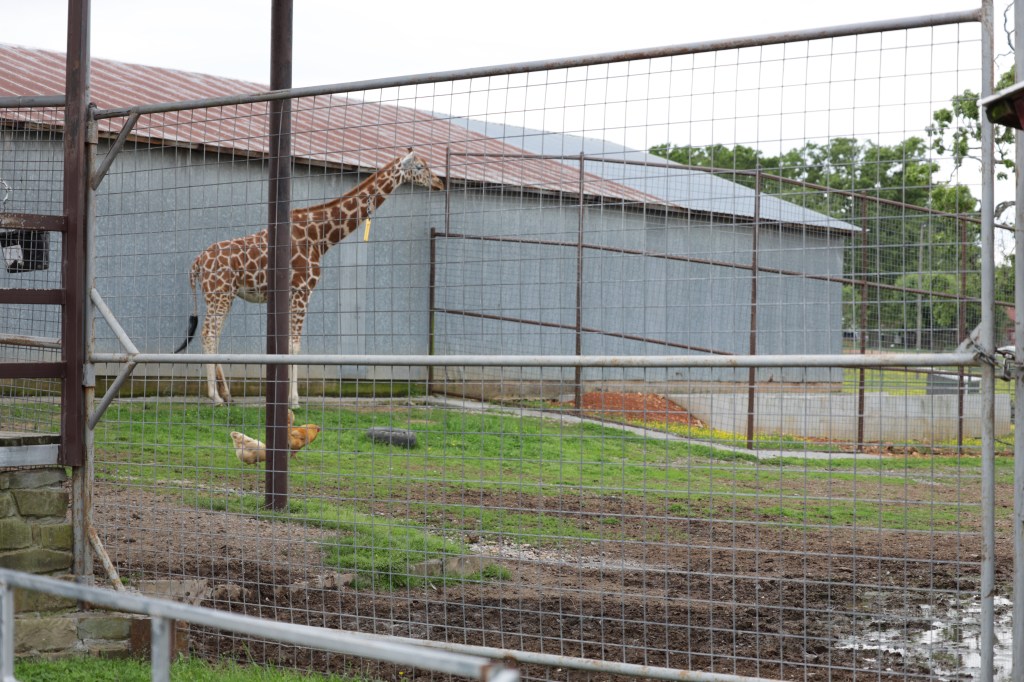
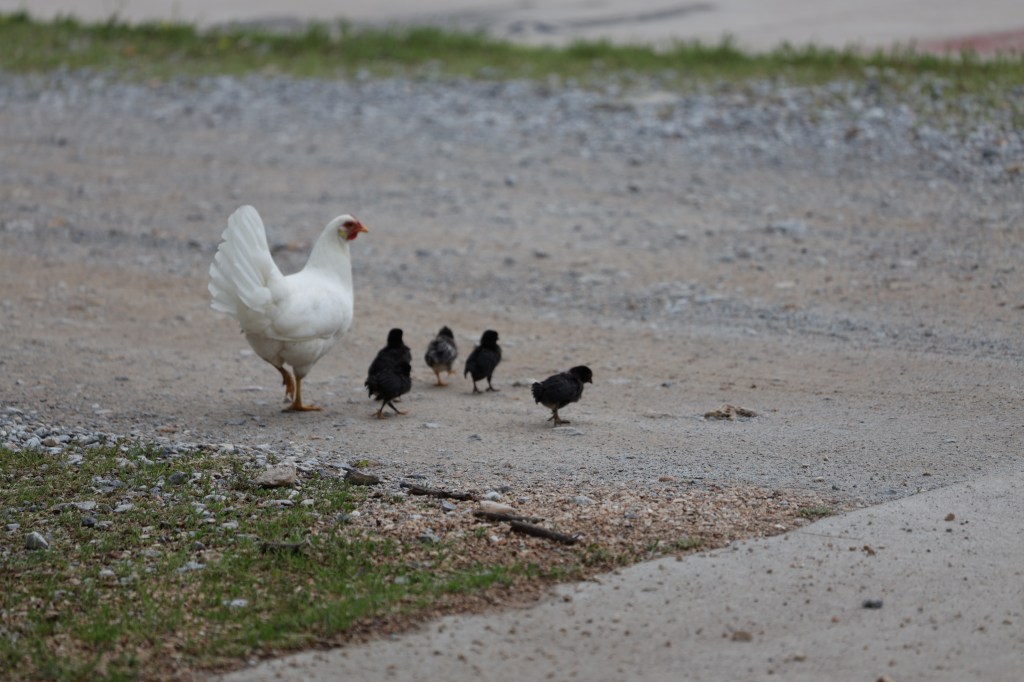
While loving animals and wildlife may be rooted in good intentions, those intentions can result in amassing a collection beyond the capacity of care for operators of roadside zoos like the Wild Wilderness Safari. The Wild Wilderness Drive Through Safari has received a lot of attention and criticism over the past four years, and the failure to adhere to the Animal Welfare Act by citations from the USDA (United States Department of Agriculture) go back several decades.
The Dark Side of Loving Too Many Animals
As far back as 1988, Ross Wilmoth had contact with the USDA for selling a cougar cub with ringworms to someone. Then, in 1996 The Gentry Drive Through Safari received a fine for failing to provide some animals with adequate shelter from extreme weather, a lack of animal enclosures in petting zoos for tiger cubs, and a lack of adequate clean water for its animals. In 1998, Five brown lemurs had a corroded sharp metal pipe in their enclosure, a fox had corroded metal pipes with sharp edges in his enclosure, for failing to provide a sun bear with clean water—the water was green, for failing to provide a giraffe, who had extremely overgrown, deformed hooves on the front and hind feet, with adequate veterinary care, and finally, for two children that prodded or lightly kicked a bear cub, and a young child tried to pick up a wolf puppy who was too large for him to do so safely.
In 2000, The USDA cited Wild Wilderness for failing to store food properly. The bed of a pickup truck was filled with uncovered bread. Moldy bread was mixed with bread that wasn’t. One of the food storage buildings contained open bags of dog food and treats, and there were spilled seeds and other food on the floor and fecal matter in one corner. In 2002, following a U.S. Fish & Wildlife investigation one of Wild Wilderness’ operators Freddy Wilmoth pleaded guilty to the illegal transport of four adult tigers after selling the big cats to a facility in Missouri where they were shot inside a trailer. The new owners had intended to sell the hides, which could be worth up to $20,000 each. In 2004, A woman being paid to feed animals at Wild Wilderness had her arm pulled into a chimpanzee enclosure, and the chimpanzee “bit off much of her hand, including two fingers.” She filed a lawsuit against the park, and the case was settled later for an undisclosed amount.
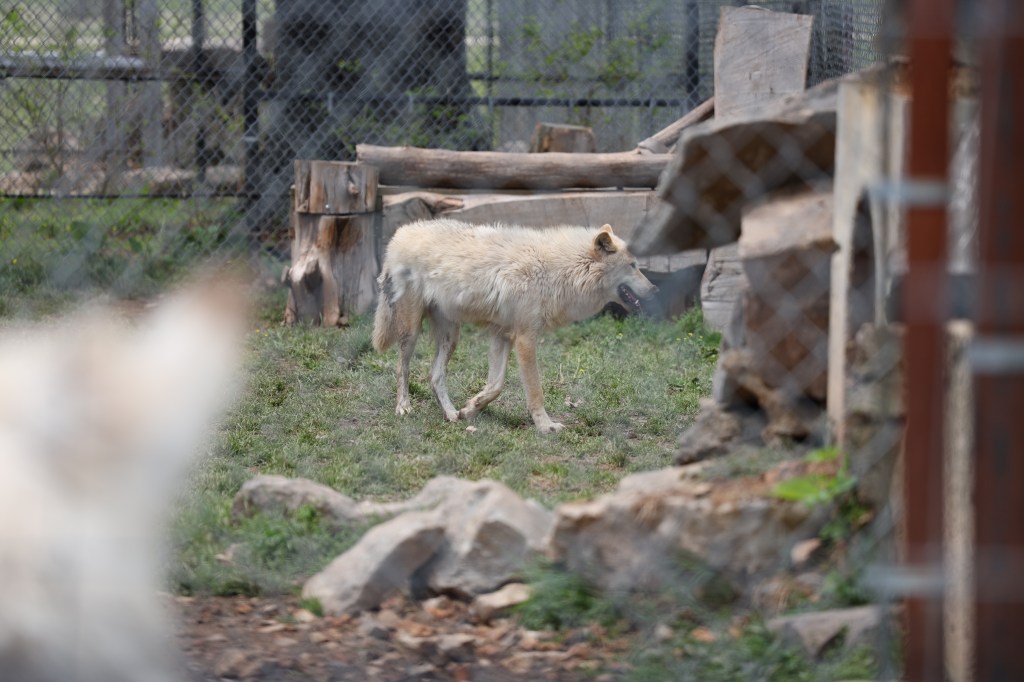
I could go on, and on, but to keep things brisk, there have been 51 complaints, and incidents where people or animals were injured, seriously harmed, or killed as a result of the operation of the Wild Wilderness Drive Through Safari, according to the USDA. The scale of care that is necessary for the variety of animals, and the safety precautions necessary to protect both the animals and visitors is clearly out of reach for a facility, and family, that has consistently failed to show its desire to adhere to those guidelines in the first place.
The Tiger Queen of Northwest Arkansas
As mentioned previously, in Northwest Arkansas there are examples of both wildlife refuges, and zoos that are depicted in the series ‘Tiger King’. Diametrically opposed to the Wild Wilderness Drive Through Safari, Turpentine Creek is a wildlife refuge in Eureka Springs, Arkansas that has been in operation for almost three decades.
Tanya Jackson Smith, is the founder of Turpentine Creek, and daughter of Don and Hilda Jackson. To trace her story back, you have to go back several decades as well. In 1978, Don Smith received a call from a man coming to a growing conclusion that he could no longer care for an eight month old lion cub chained to a sweetgum tree in his backyard. At the time Tanya was only 11 years old, but from that point on her life became about rescuing animals. Following the rescue of their first lion, the Jackson’s also undertook responsibility for a second lion in 1982. Throughout the 80’s, they raised the two lions in their backyard, not unlike some of the accounts depicted in the Netflix documentary series. Things really began to change for the Jackson family when an unexpected guest arrived at their door.
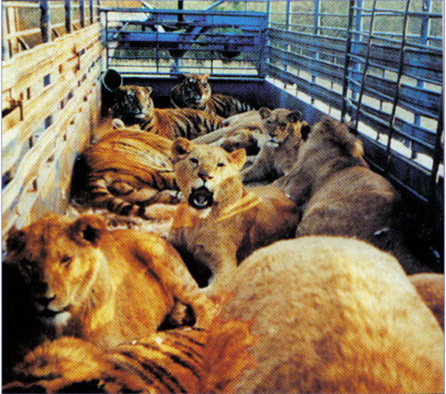
That guest turned out to be a notorious breeder of big cats, and in tow she had three cattle trailers filled with 42 big cats.
“It’s pretty crazy if you’ve not seen the behind-the-scenes world of big cats, and what happens at these facilities that breed and buy and sell animals then its definitely a must-see, so you can see what’s behind the scenes and what’s actually going on at some of these crazy facilities that are out there-” Smith said.
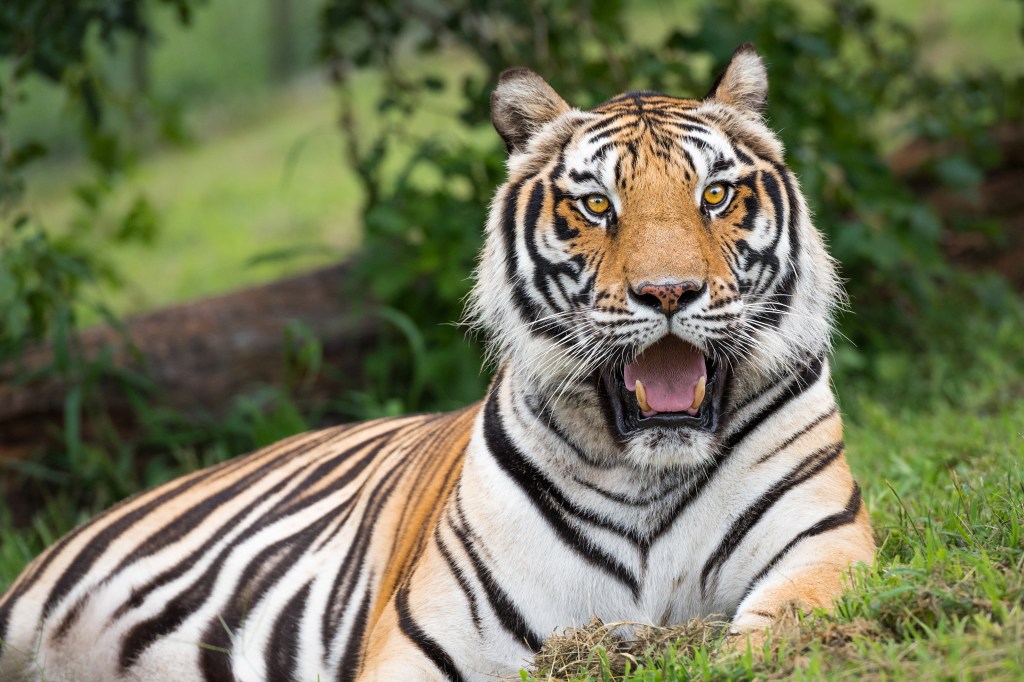
Turpentine Creek is a part of the ‘Big Cat Sanctuary Alliance’ along with Baskin’s Big Cat Rescue in Florida, as well as several other similarly accredited facilities across the country. In past interviews with local news outlets like 5NEWS, KUAF, and KNWA, Tanya Smith, President of Turpentine Creek, has advocated for an end to the practice of breeding, buying, and selling animals.
“Carole Baskin is a part of the Big Cat Sanctuary Alliance that we formed in 2017 to bring good sanctuaries together that are accredited by the Global Federation of Animal Sanctuaries, or that we know are doing good work, so if a place like Joe Exotic’s ever went down that we would be able to help save all the animals that are in these facilities that really aren’t going to have any choice if there’s not a place for them to go but be destroyed’, Smith said. Smith said that she hopes it doesn’t bring other people to go and purchase animals like those shown in the series.
To clarify what the Global Federation of Animal Sanctuaries (GFAS for short) actually is, a refuge or zoo can apply to become a part of the GFAS, the GFAS measures several categories from facilities that apply to become accredited through a long and exhaustive list of requirements necessary to provide proper care for wildlife species across all animalia. The categories includes housing, physical facilities and administration, nutritional requirements, veterinary care, well-being and handling, general staffing, safety policies, protocols, and training, governing authority, financial records and stability, education and outreach policies, acquisition and disposition policies, public contact and restriction on use and handling,and finally, release into the wild for species where applicable.
The exhaustive and stringent list of requirements for the facility that applies to become a part of the GFAS is designed to correspond with the Animal Welfare Act of 1966, as well as ensure that the facilities accepted and accredited by the group do not endanger or harm any of the animals they rescue or raise, and visitors of the institutions as well. The end goal for groups aiming to receive accreditation is to be recognized as an objectively safer, and more humane place for animals and wildlife to go.
However, according to the GFAS website, just because a sanctuary isn’t accredited, does not necessarily mean it’s a poorly run facility. Applying for accreditation through the group is voluntary for facilities, and if facilities don’t meet their requirements they keep their application and information confidential. Another reason sanctuaries and zoos seek accreditation from the Global Federation of Animal Sanctuaries, is that they are the only globally recognized group for certifying a facility that meets their standards of excellence, and recognizes those as true sanctuaries.
In an interview with KUAF, a local national public radio affiliate station, when asked about the difference between a facility like the one Joe Exotic operated, and sanctuaries like Big Cat Rescue or Turpentine Creek, Smith shared her perspective on what separates the two.
Understanding the difference between a refuge and a roadside zoo
“I can’t speak for Carole really, but I can speak for the refuge Turpentine Creek Wildlife Refuge, and we don’t breed, buy, or sell animals, that’s one of the things we don’t do-”, Smith said. Smith continued, “We feel like if you’re a true sanctuary you’re not limiting your resources by breeding, buying, and selling animals, so it’s very important that people understand that if they’re doing pay-for-play or anything like that then more than likely there’s a greed that is there that’s hard to explain-”, Smith said.
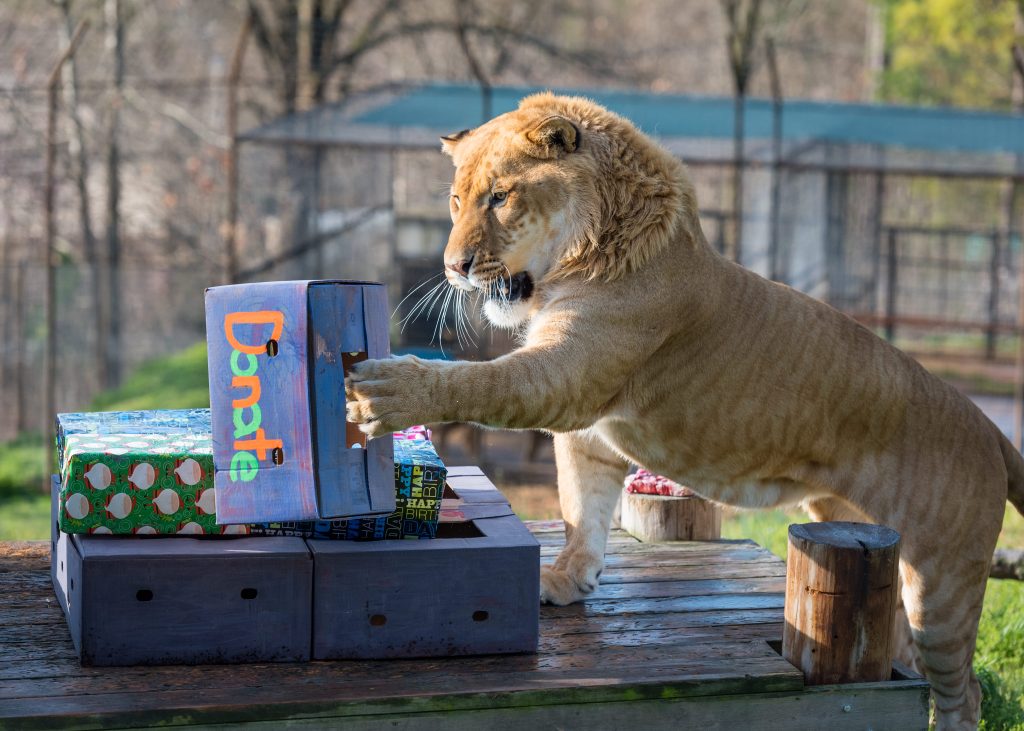
Smith explains that big cats like Tigers, and other species breed in similar amounts to domestic cats. “It’s very unfortunate whenever they breed a big cat like a tiger, which [they] can breed just like a domestic cat, so you can imagine how many babies could be born within even a year,” Smith said the gestation period for a big cat such as a tiger can range anywhere from the 98 to 103 days. “In that short period of time if they pull them from the mother when they are first born, which a lot of these facilities are doing they just pull the baby right out when they are born, and then they bottle-feed them from there so they can do the interactions with people where they get to hold, pet, and play with the cubs,” Smith says.
The problem with how quickly the cubs gestate and how frequently they breed, is that oftentimes small breeders outpace their ability to care for the amount of cubs that come from big cats, which leads them to either illegally selling the cubs, or euthanizing them. Groups that are a part of GFAS accredited sanctuaries do not breed whatsoever, and that also separates them from establishments like the Wild Wilderness Drive Through Zoo, or the Greater Wynnewood zoo showcased in ‘Tiger King’.
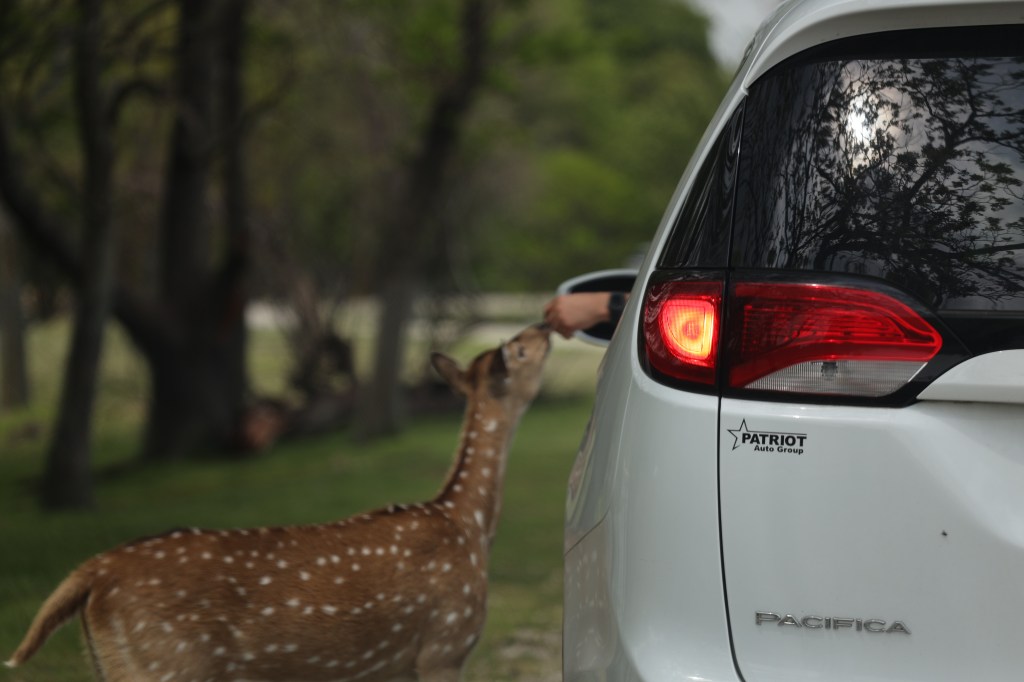
The main issue besides the unethical nature of breeding cubs for the goal of using them for profitable petting sessions is that there is a very short period the United States Department of Agriculture, or USDA allows for members of the public to be exposed to cubs. According to the USDA guidelines, “Although we do not encourage public contact with cubs, it is possible for an exhibitor to exhibit cubs over approximately 4-8 weeks of age (i.e., when their immune systems have developed sufficiently to protect them from most communicable diseases), to the public, and still comply with all of the regulatory requirements.” That allowance of a window to pet cubs propagates the profitability of having cub petting circles, because it is still not considered illegal by the USDA. Groups like Turpentine Creek say that is the one of the main challenges in educating the public on.
In addition to waiting for cubs to mature long enough to be ready to show to the public, the period they are small enough for petting sessions is short. After three to four months they begin to become too large and dangerous for members of the public to handle. “It’s only allowed from the time they’re one month old to the time they’re four months old, so there’s only a few months they can actually make any income off of these babies,” Smith said.
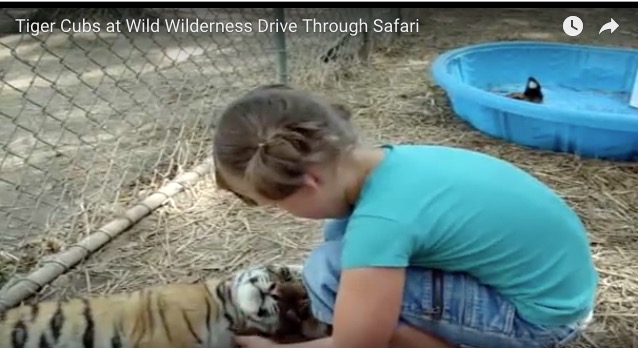
Tanya Smith wants people to ask themselves a bigger question when they visit places like Greater Wynnewood or the Gentry Drive Through Zoo. “Think about why you’re holding that baby, if you do pay you’re just prolonging the suffering of this animal, the basic way I can explain this is through my life experiences, we just went to Florida, Bay City, and had four tigers we were going to bring in from a facility that was temporarily holding these tigers, and two of the tigers have escaped their cages where they temporarily held, but once these animals escaped they were shot and killed, so just this year we went into Florida and were able to get two of the tigers, and bring them back to the sanctuary here in Arkansas.” Smith said Luna and Remington are six, and nine years old.
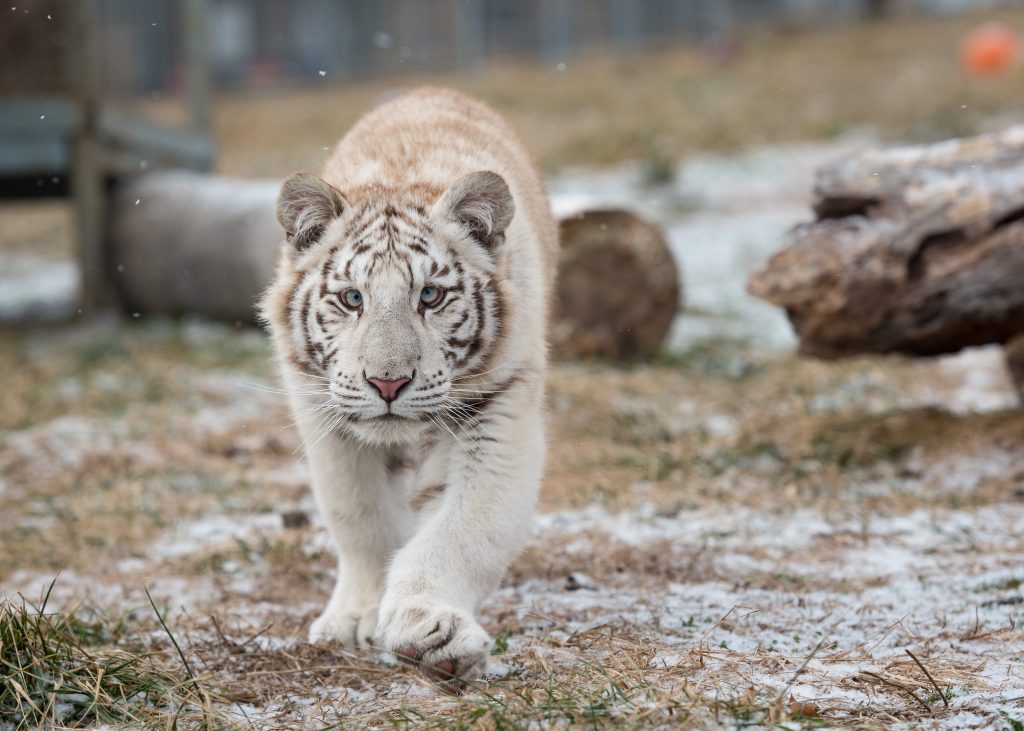
When big cats are kept in enclosures that are too small for them to exist in, some very unfortunate and inhumane results can occur. Big cats can fail to learn how to run, or walk sometimes. “When we released them into a nice big large habitat they were tripping over their feet because they didn’t even know how to run,” Smith said.
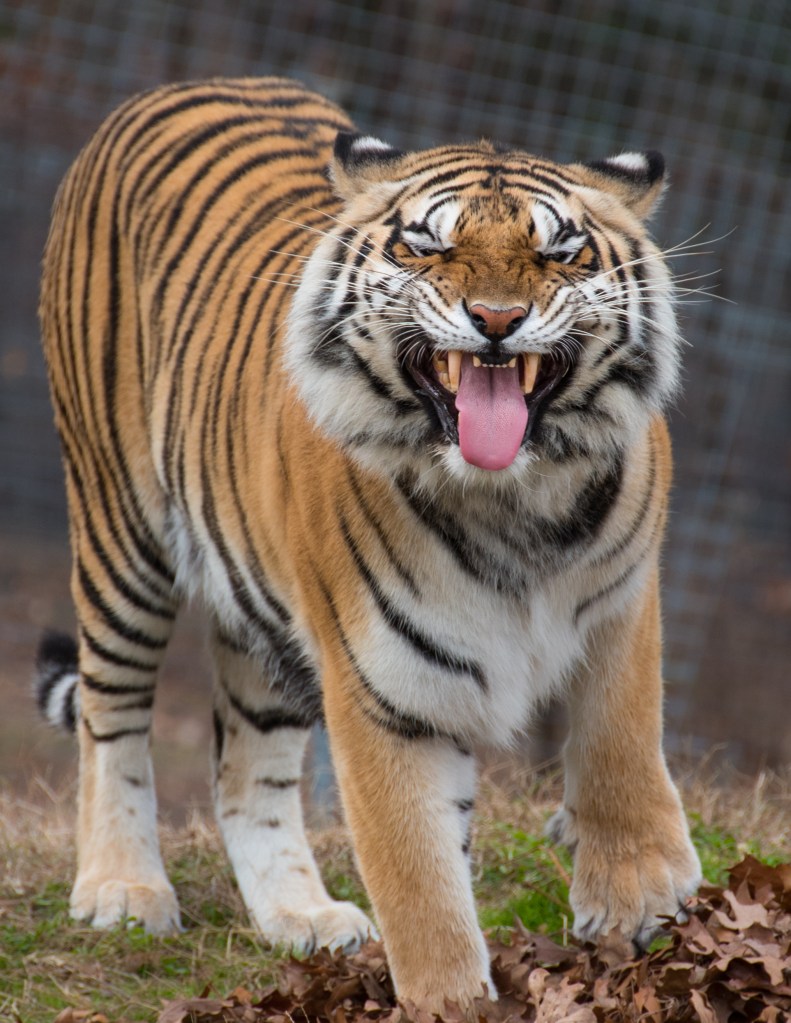
In addition to not knowing how to run, the animals can develop diseases due to early separation for cub petting. “A lot of the animals develop metabolic bone disease from improper nutrition when they are babies because they’re being pulled from their mothers at such a young age and then bottle-fed supplemental diets that aren’t really adequate for big cats,” Smith said.
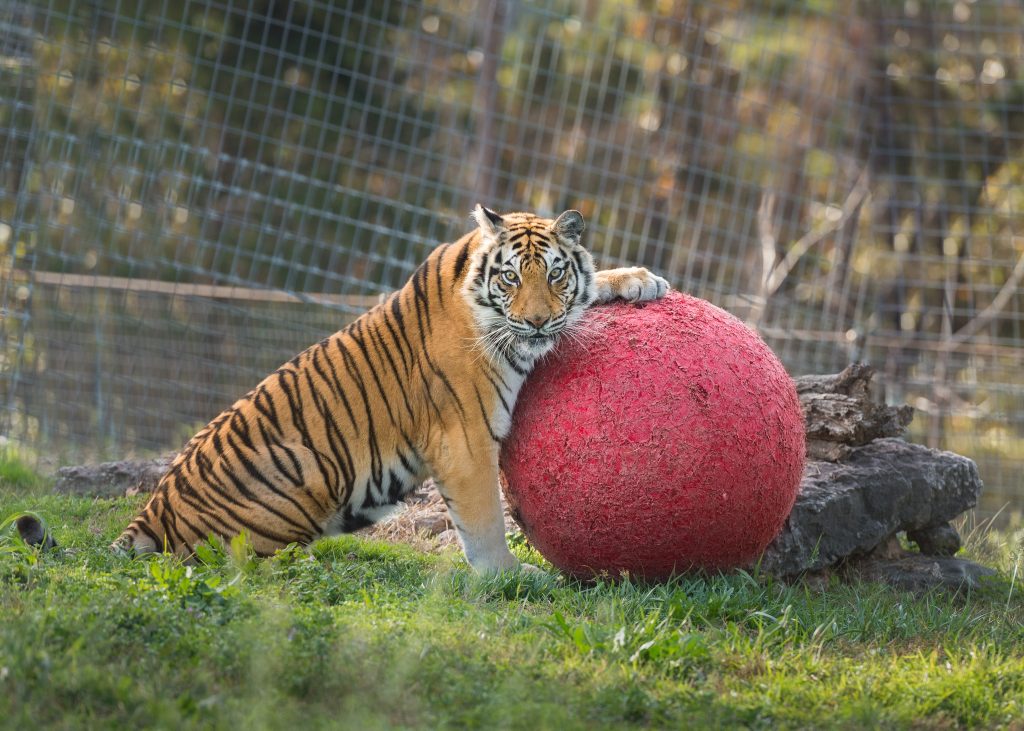
Smith said that she knew Carole Baskin was accredited through GFAS, and said she visited Carole, and Howard Baskin when they went to Bay City to rescue the two tigers Luna, and Remington. “I did recently visit when we went through Florida to pick up Remington and Luna, Carole and Howard actually showed me and my team around the facility, because that’s one thing we want to do if we’re ever referring animals to go to another location we want to see it for ourselves that it’s adequate before we would refer,” Smith said. Smith declined to comment on her thoughts on Baskin’s moral compass and situation regarding the murder mystery between her and her deceased husband.

Smith said she found the series ‘Tiger King’ to be entertaining although misleading at times. “For me, it’s kind of cool seeing these people that are doing all of this bad stuff turn on each other, because that’s when more people stop it,” Smith hoped that all of the attention from the series would translate into tangible results in favor of sanctuaries like Turpentine Creek.
“You know if this is blown up into what it’s blown up to in the media, and other people are paying attention, staying home due to this COVID virus, where they’re actually staying home and watching this series, I think that’s going to hopefully help at least get the word out there that this type of stuff is going on,” Smith said
While the sensational success of ‘Tiger King’ creates the conflict between the antagonist, Joe Exotic, and the somewhat questionable protagonist of Carole Baskin, there isn’t such a rivalry here in Arkansas between the Wilmoth family, and the team at Turpentine Creek. As a matter of fact, they’ve actually worked together in some circumstances in the past to help nurse or heal sick or hurt animals back to health.
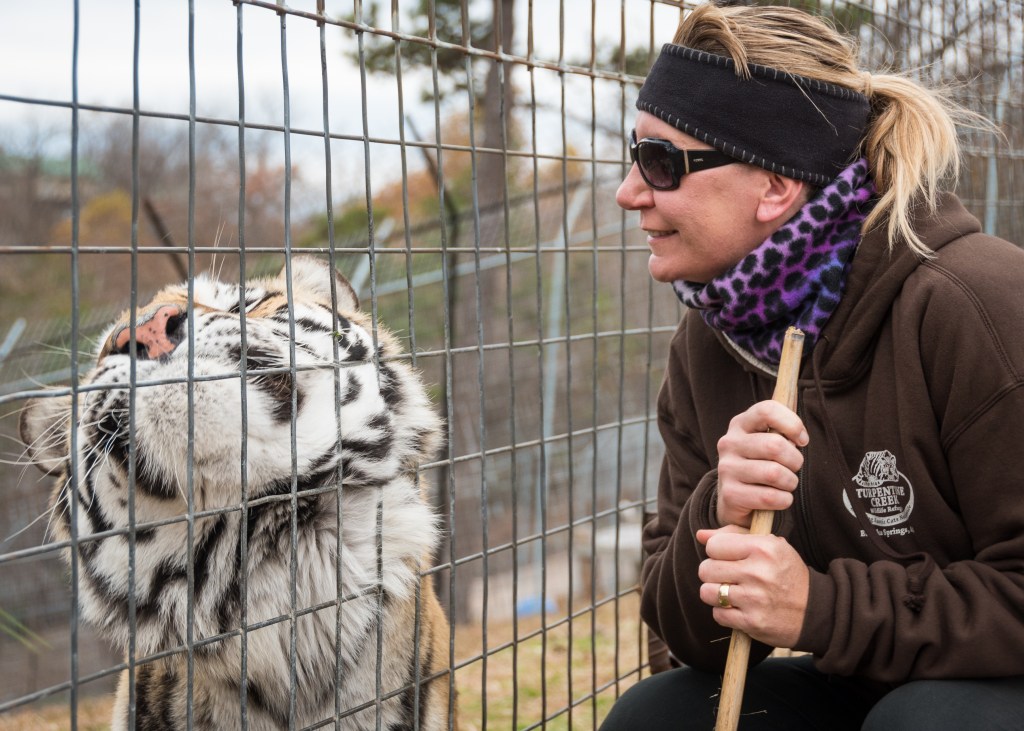
After a year and half plus of Coronavirus restrictions, both facilities have opened back up and are allowing guests and visitors. Both facilities shut down in March of 2020 in order to protect the animals. However, just a few short weeks later, the Gentry Drive Through Safari opened again, but only with the drive-through section of the zoo being open. The Wilmoth family said that they had to do so because of a lack of financial income to sustain the park and provide food for the animals. At the time, Smith felt disappointed that they couldn’t remain open following the attention they began to receive because of the netflix limited series, but she felt it was the only option to ensure the animals were protected from getting sick.
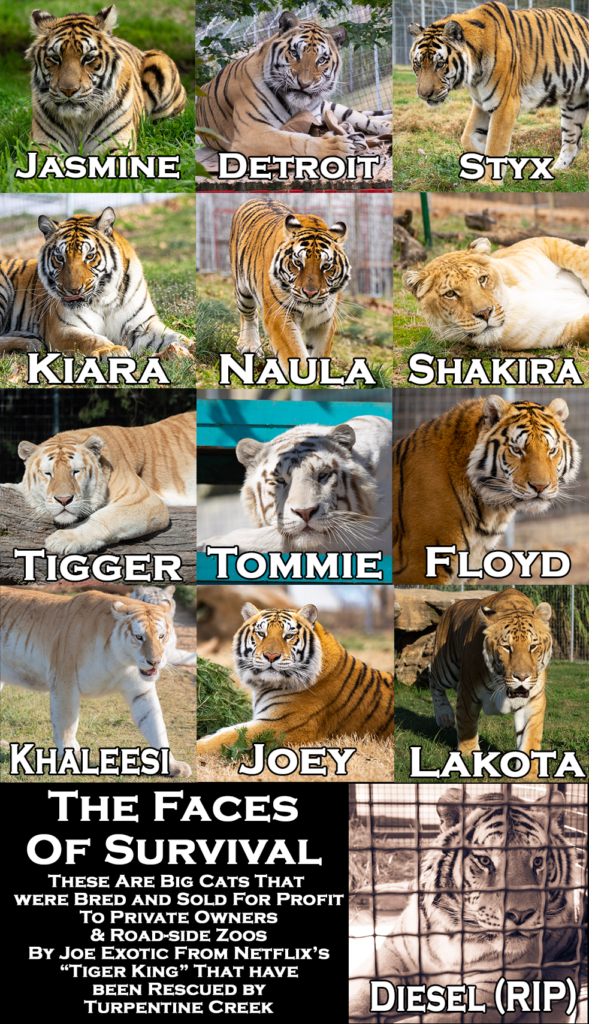
Last spring, Turpentine Creek wildlife refuge raised nearly $50,000 in its spring fundraiser, which was double their goal, a sign that there is still significant interest in sustaining the establishment. Turpentine Creek did not rescue any of the animals that were held in captivity at the Greater Wynnewood Zoo however, over the years they have rescued cats that were bred by the infamous Joe Exotic, and then sold to someone else. Turpentine Creek currently has fourteen of their rescued cats that were bred by Joe Exotic.
The owners of the cats that purchased the animals from Joe Exotic contacted Turpentine Creek as they began to realize for various reasons they couldn’t maintain care for them. Turpentine Creek has had other cats in the past that were born at the G.W. Zoo in Oklahoma.
According to a blog post from Turpentine Creek, their “Tiger King” tigers are thriving, except for one who had a bloodborne disease they believe was contracted from roadkill or ticks, and died in their possession only a few days after rescuing. The post also says that they do have some issues due to inbreeding and malnutrition. When asked if the Gentry Drive Through Safari has received any animals from the Greater Wynnewood Zoo, it was clarified that they had not nor had ever been in contact with Joe Exotic or anyone from the Greater Wynnewood Zoo.
The breeding and sale of exotic animals is a fiercely contested subject between the parties depicted in the Netflix series, however it is only touched on briefly. The main focus of Tiger King was to show the rivalry and disdain between the two parties of Carole Baskin, and Joe Exotic, while the animals were put to the wayside as the series reached its conclusion. This discussion is only briefly touched on in the series, and the points made on the side of advocacy towards the breeding of the animals are shown more through the depictions of those who breed than those who advocate for ending breeding exotic animals like big cats.
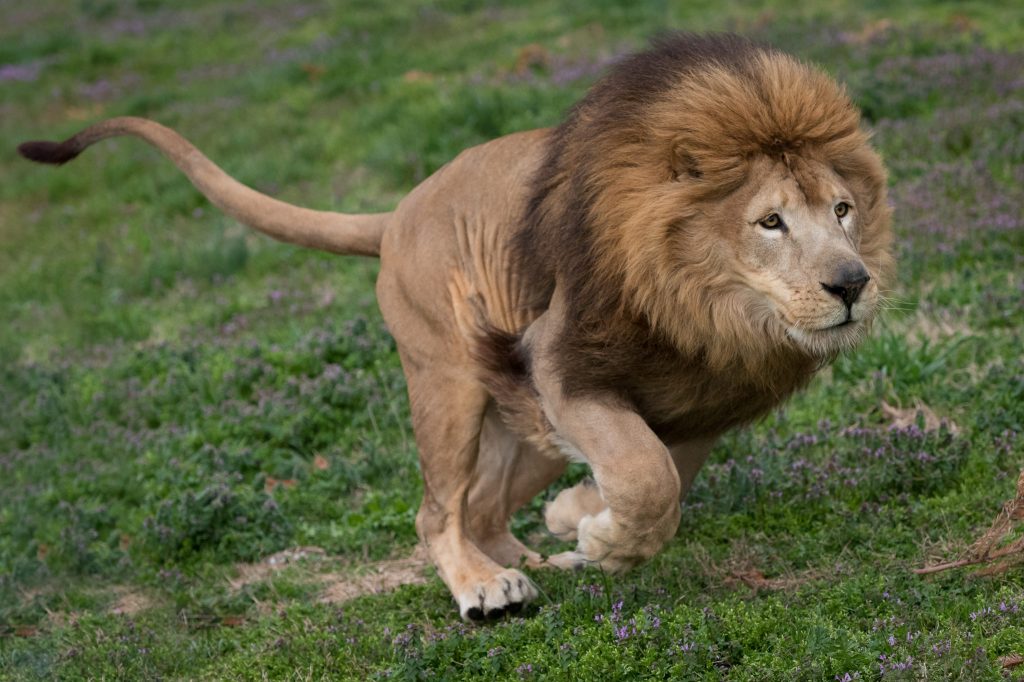
There are two arguments for breeding animals in captivity like those shown in the series, or those at the Gentry Drive Through Zoo. The first argument for continuing to breed big cats and exotic animals is that by providing close and personal contact between the public, and the cubs it will spur more awareness towards preserving the natural habitat of the wildlife.
The second argument made by those who advocate for breeding is that species like tigers, lions, and other wildlife are inevitably going extinct in their natural habitats from human encroachment anyways, so the primary means of conservation is through the practice of breeding in captivity. Some researchers agree. Brian W. Davis, an evolutionary biologist at Texas A&M University, said his preliminary analysis of DNA samples from hundreds of generic tigers has found they harbor genetic variation that could help ensure the health of captive-bred populations. “They’re all tigers,” Davis said. “They all need to be conserved.”
The Wilmoth family at Wild Wilderness Drive Through Safari take similar stances as aforementioned. They believe that if they don’t do everything they can at a place like the Gentry Drive Through Safari, then some of the species they have that are already extinct in the wild will cease to exist in captivity if they fail to prolong and continue breeding the species.
In opposition to those points, the counter-argument is that “conservation” itself is the practice of preserving the balance of nature in the wild. Having animals in close-contact settings, or caged for amusement does not promote awareness of their natural habitats in the wild, and the efforts to preserve those habitats. The only scenarios that are fit for breeding big cats in captivity are if the cats are of completely pure genetic heritage, and if the cats that are being bred are inherently capable of surviving in the wild or are taught to survive in the wild through training programs, according the Global Federation of Animal Sanctuaries.
Finally, there needs to be a natural habitat for the animals to be released, which is often not possible when bred in captivity in the United States, since most of the time the animals are bred on private property, and not in the animal’s natural habitat, again, also according to GFAS.
In July of 2019, the Washington Post published an investigative report on the big cat trade in the United States, and Joe Exotic was actually one of the main characters of the piece. The piece centered focus on Joe’s plan to pay for the murder of Carole Baskin by selling tigers.
The sale of tigers, or any big cats as pets has been illegal since 2003, when it was discovered a Brooklyn taxi driver had a pet tiger in his apartment in Harlem. However, the practice of selling big cats wasn’t policed by the United States Fish and Wildlife Service until 13 years later in 2016, when the agency approved a rule that required any seller of generic tigers across state lines to get the same permit needed to trade in purebreds. Since then it is now illegal to sell any big cats across state lines without a permit and proper paperwork from the agency.
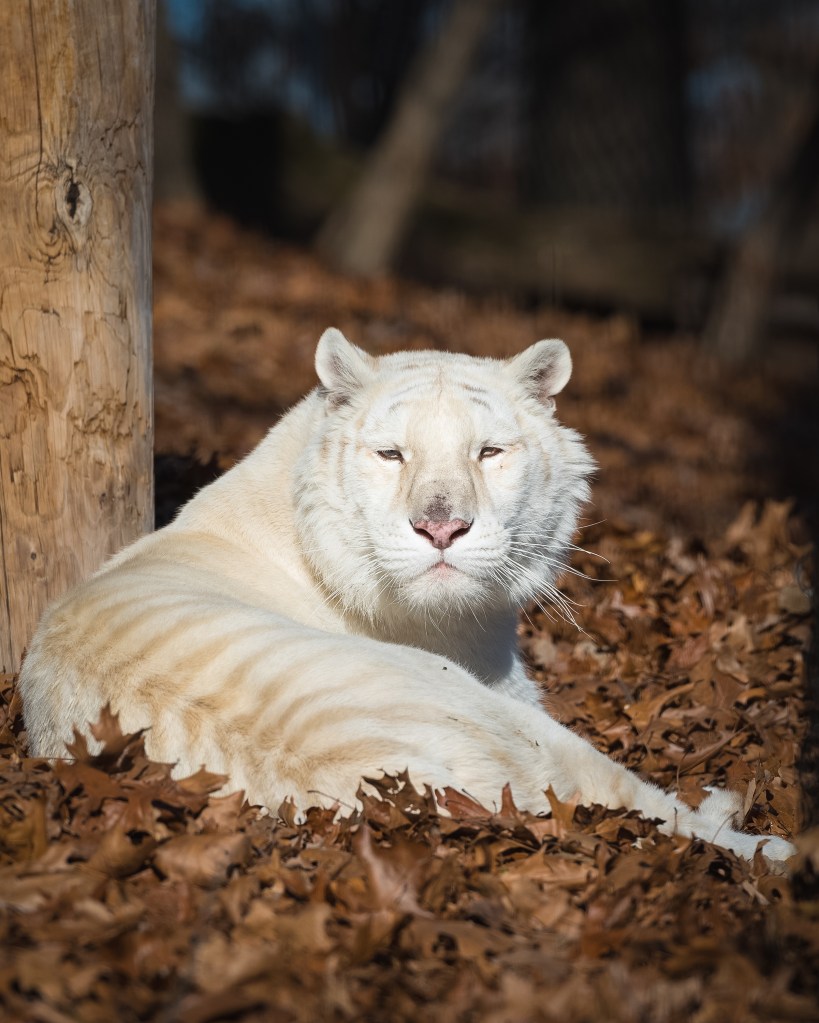
Due to the lack of oversight and regulation of this practice, the United States Fish and Wildlife Service has no exact figures on the estimated population of tigers, but in a 2016 report, the agency said it estimates there are more captive tigers than there are tigers remaining in the wild. The Humane Society estimates there are anywhere from 5,000 to 7,000+ captive Tigers in the US. However, a group called the Feline Conservation Foundation published a report in 2016 that put the population of captive Tigers in the United States at 2,330, which is well short of the estimated 4000 or so tigers remaining in the wild according to the Fish and Wildlife Service.
With the vast deviation in population estimates it is difficult to discern the actual population of tigers, and big cats as a whole in the US. Since there is not a central database or a microchipping requirement, it’s also easy to hide the amount of tigers bred in captivity off the books, as was exhibited by Joe Exotic’s case. When asked whether or not there is an inventory of tigers, lions, or other big cats by the Wild Wilderness Drive Through Zoo, they responded that they do in fact keep an inventory of all of the animals they have and if there are any cubs or babies they keep record of that as well.
An example of how easy it is to hide the sale of tigers, to evade oversight Joe Exotic would falsify, or not fill out USDA veterinary forms which asked whether the purpose of transferring an animal was a sale, donation or some other activity. At the GW zoo, animal inventories — which are required by the USDA — fluctuated wildly, records obtained by People for the Ethical Treatment of Animals show. On March 10, 2014, it had 79 tigers. On March 25, 2015, it had 101. Four months later, it had 87.
One employee who worked at the zoo from 2017 to 2018 said Exotic made no secret of the fact that he was breeding cubs around his employees.“He’d go around to the cages, to the female tigers when they were pregnant, you know, ‘Hurry up, b*tch, pop ’em out, we need to make payroll,’ ” Josh Dial, the former employee told the Washington Post.
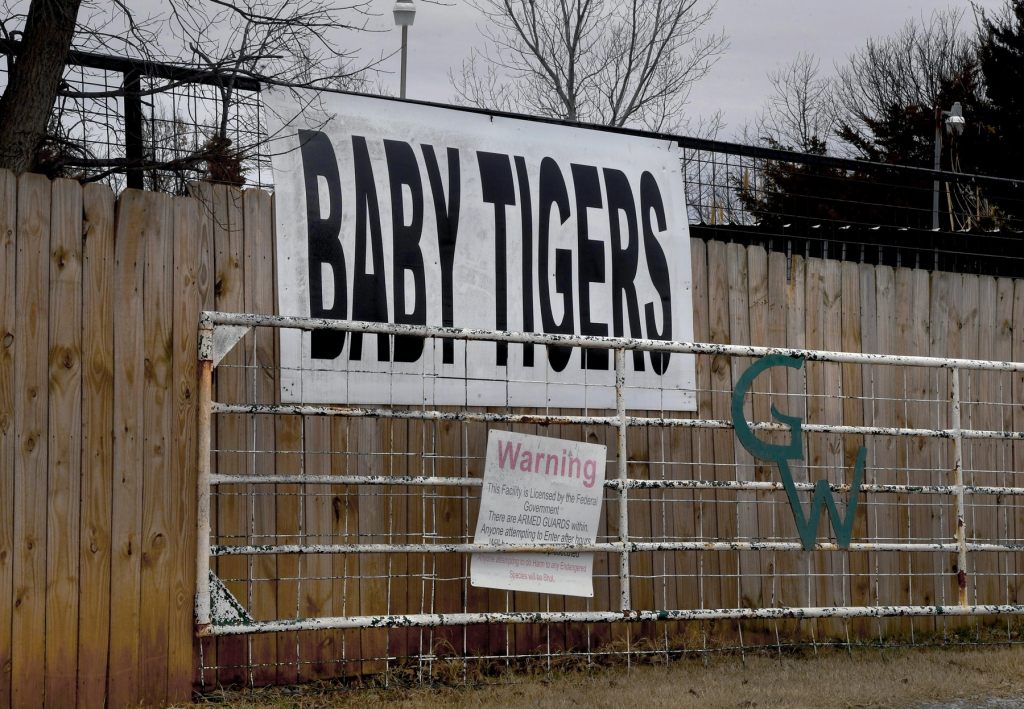
Turpentine Creek, the big cat refuge and wildlife sanctuary in Eureka Springs celebrated its 29th year in operation on May 5th, 2021. Unlike last year though, Turpentine Creek was able to open and finally celebrate the past two years. Wild Wilderness Drive Through Safari in Gentry will celebrate its 45th year of operation this summer. When it comes to comparing and contrasting the refuges and roadside zoos displayed on a sensational documentary series on Netflix, it is easy to assign or cast groups under similar moral umbrellas as those depicted in a show because it is the easiest way for people to reach conclusions on the character of those they’re judging. For Smith, she was receiving calls from local news outlets all the time when the series came out to hear her thoughts and ask her about her friendship with Carole Baskin.
The Wild Wilderness Drive Through Safari on the other hand received extensive scrutiny, but also saw an opportunity to separate themselves from Greater Wynnewood Zoo and clean up their reputation. While it may not be much of a shining example as to how a facility should be operated like these, the original intentions for places like the Wild Wilderness Drive Through Zoo come from a good place. Unfortunately, love and intentions are not enough to sustain the exotic and powerful animals they claim to give their best effort to care for, especially at the scale to which they have grown, being 350 acres larger than Joe Exotic’s Greater Wynnewood Zoo.
When it comes to assessing the impact of ‘Tiger King’ the characters within it, and the greater impact on the zoo and exotic animal industry, it shows that normal, everyday people like Ross Wilmoth can start off with something as harmless as a farm and it can reach uncontrollable levels of chaos, disorganization, and failure to care after the very animals they want to showcase. On the flip side of the coin however, Tanya Smith could have also easily fallen under that category, but with measured approaches to make sure that she catered the organization of Turpentine Creek to fit the needs of the animals first, as opposed to amassing a collection and expanding like was done in Gentry, she was able to ensure that the establishment she operated met ethical guidelines and requirements.
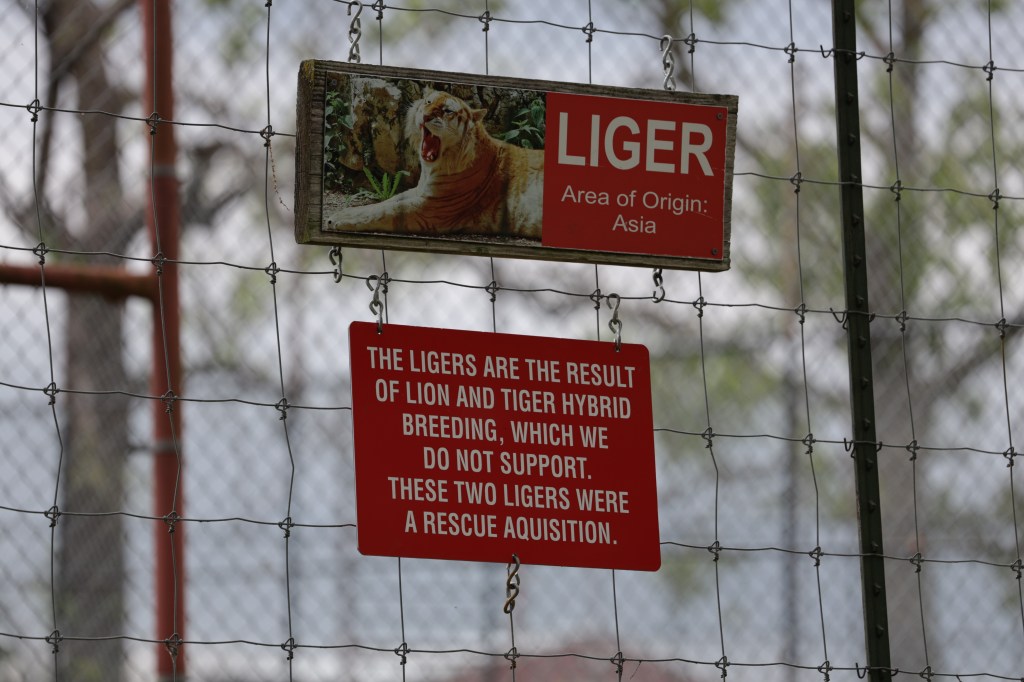
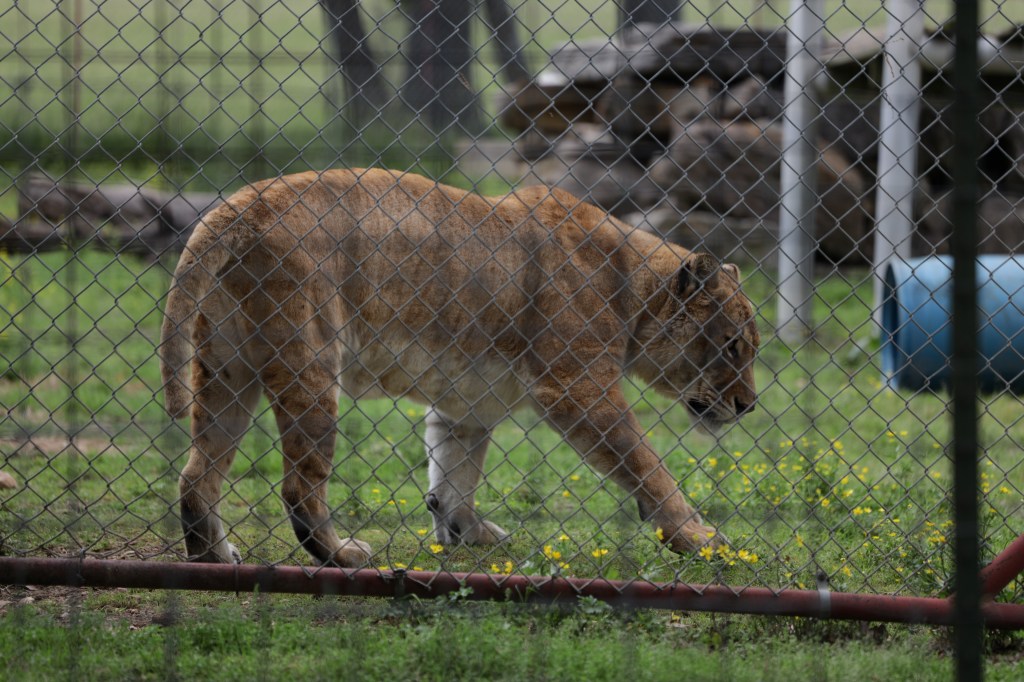
For what it was worth upon my observations, the enclosures that held big cats like tigers, lions, ligers, and cougars as well as bears were comparable in size to those seen at Turpentine Creek. The conditions inside of the enclosures were vastly different though. The grass was long, and much of the edge of the fencing appeared as if it was rusting or needed to be replaced. As for the conditions of the animals’ health and wellbeing, I noticed the animals at Turpentine Creek were more robust, well-fed and also were consistently groomed. The same cannot be said for the animals at the Gentry Wild Wilderness Drive Through Safari. As more ecologically-minded shows and documentary series are released in the future one could expect to see the practices of roadside zoos shift to more humanitarian practices for the wildlife they have in their possession. However, it took a global pandemic, and a viral television series to see the Wild Wilderness Drive Through Safari cease cub petting.
 Use Your Imaginasean